What agreement did Govt of India sign with Govt of Nagaland?
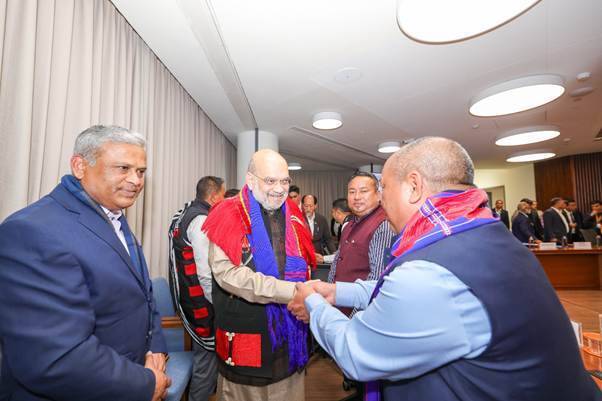
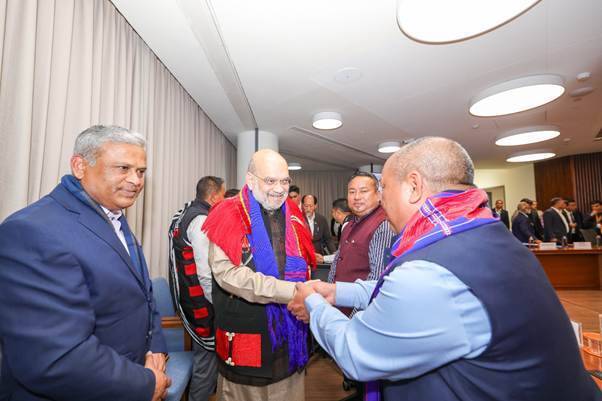
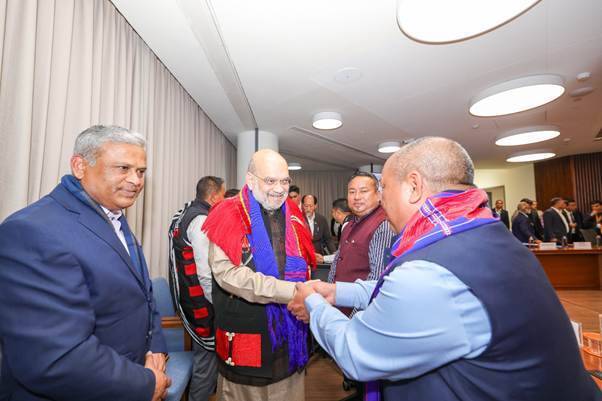
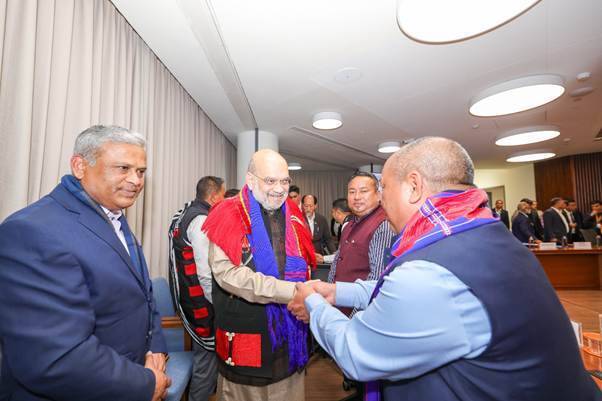
In a significant development, the Government of India has signed a landmark agreement with the Government of Nagaland, along with the Eastern Nagaland Peoples’ Organisation (ENPO), aimed at boosting development and empowering the tribes in Eastern Nagaland. The agreement establishes the Frontier Nagaland Territorial Authority (FNTA), which will cover six districts in the region and transfer powers over 46 subjects to it. This move is expected to bring about a new era of growth and prosperity to the region, addressing the long-standing demands of the people of Eastern Nagaland.
The FNTA will be a game-changer for the region, as it will enable the local authorities to take charge of their own development, making decisions that are tailored to the specific needs of the communities. The Centre will provide annual funding and a mini-secretariat to the FNTA, ensuring that the authority has the necessary resources to implement its plans and programs. This will not only accelerate development but also promote accountability and transparency in governance.
The six districts that will be covered under the FNTA are Mon, Tuensang, Longleng, Kiphire, Noklak, and Shamator. These districts have been facing various challenges, including inadequate infrastructure, limited access to basic services, and a lack of economic opportunities. The FNTA will address these issues by focusing on key areas such as education, healthcare, roads, and economic development.
One of the significant aspects of the agreement is the transfer of powers over 46 subjects to the FNTA. This will enable the local authorities to take decisions on a wide range of issues, including education, healthcare, agriculture, and water supply. The FNTA will also have the power to collect taxes and levies, which will provide a steady stream of revenue for the authority. This will enable the FNTA to implement its plans and programs without being dependent on the state or central government for funds.
The establishment of the FNTA is also expected to promote peace and stability in the region. The Eastern Nagaland Peoples’ Organisation (ENPO) has been demanding a separate territorial council for the region, and the FNTA is seen as a major step towards addressing this demand. The agreement has been welcomed by the people of Eastern Nagaland, who see it as a major breakthrough in their quest for autonomy and self-governance.
The Government of India has also committed to providing annual funding to the FNTA, which will be used to implement various development projects and programs. The funding will be provided through a separate allocation in the Union Budget, and it will be monitored by a special committee to ensure that it is utilized effectively. The Centre will also provide technical assistance and support to the FNTA, including the provision of experts and consultants to help with planning and implementation.
The agreement is also significant because it marks a new era of cooperation and collaboration between the Government of India and the Government of Nagaland. The two governments have been working together to address the challenges facing the state, and the FNTA is seen as a major outcome of this cooperation. The agreement is expected to set a precedent for other states and regions, demonstrating the potential for collaborative governance and development.
In conclusion, the agreement between the Government of India, the Government of Nagaland, and the Eastern Nagaland Peoples’ Organisation (ENPO) is a significant development that is expected to bring about a new era of growth and prosperity to Eastern Nagaland. The establishment of the Frontier Nagaland Territorial Authority (FNTA) will provide a framework for local governance and development, enabling the communities to take charge of their own development and make decisions that are tailored to their specific needs. The Centre’s commitment to providing annual funding and technical assistance will ensure that the FNTA has the necessary resources to implement its plans and programs, and the agreement is expected to promote peace and stability in the region.
News Source: https://www.pib.gov.in/PressReleasePage.aspx
About the Author