What agreement did Govt of India sign with Govt of Nagaland?
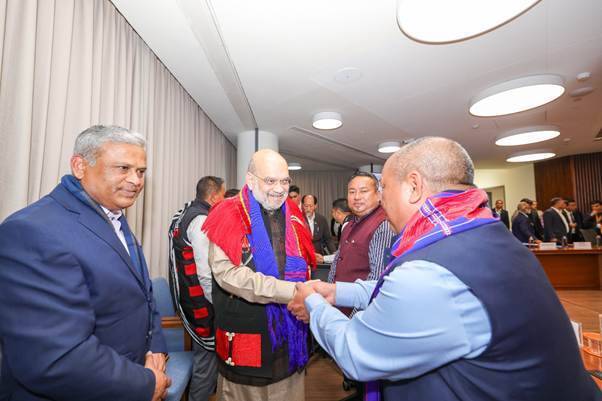
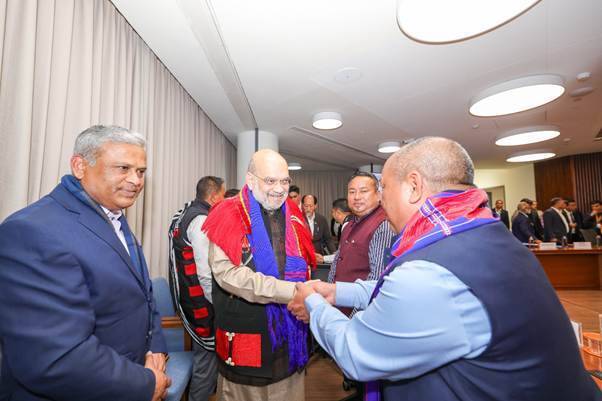
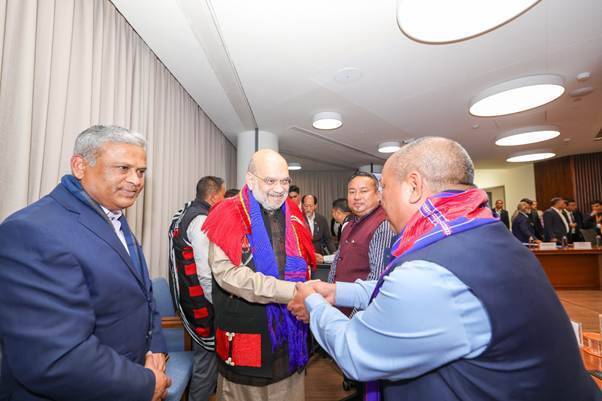
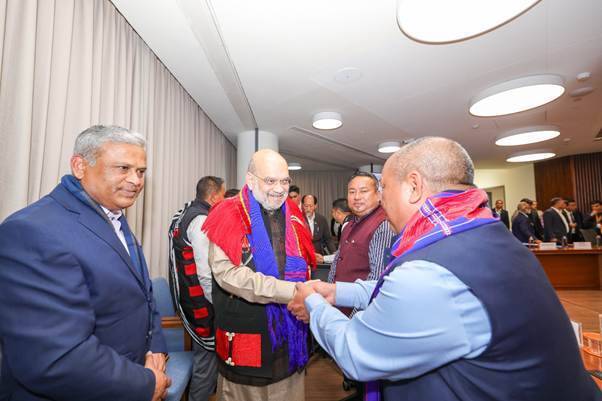
In a significant development, the Government of India has signed a landmark agreement with the Government of Nagaland and the Eastern Nagaland Peoples’ Organisation (ENPO). This agreement marks a major milestone in the history of Nagaland, as it paves the way for the establishment of the Frontier Nagaland Territorial Authority (FNTA). The FNTA will cover six districts in Eastern Nagaland, and its creation is expected to bring about a new era of development and prosperity for the tribes in the region.
The agreement was signed after months of negotiations between the Government of India, the Government of Nagaland, and ENPO. The signing of this agreement is a testament to the commitment of the Government of India to address the unique needs and concerns of the people of Nagaland. The FNTA will have the power to oversee and manage 46 subjects, which will be transferred to it by the Government of Nagaland. This transfer of power is expected to enable the FNTA to take decisions that are in the best interests of the people of Eastern Nagaland, without having to rely on the state government.
One of the key features of the agreement is the provision of annual funding by the Centre to the FNTA. This funding will be used to support the development initiatives of the FNTA, and will help to bridge the infrastructure and resource gaps in the region. In addition to the funding, the Centre will also provide a mini-secretariat to the FNTA, which will serve as the administrative headquarters of the authority. The mini-secretariat will be equipped with all the necessary infrastructure and personnel, and will provide the FNTA with the necessary support to carry out its functions effectively.
The creation of the FNTA is expected to have a significant impact on the development of Eastern Nagaland. The region has long been neglected, and has faced numerous challenges, including a lack of infrastructure, limited access to education and healthcare, and poor connectivity. The FNTA will have the power to address these challenges, and will be able to take decisions that are tailored to the unique needs of the region. The authority will also have the power to promote the cultural and linguistic heritage of the tribes in the region, and will work to preserve the traditional practices and customs of the people.
The agreement has been welcomed by the people of Nagaland, who see it as a major breakthrough in the development of the state. The Chief Minister of Nagaland has hailed the agreement as a “historic” moment, and has expressed his gratitude to the Government of India for its support. The ENPO has also welcomed the agreement, and has expressed its commitment to working with the FNTA to ensure that the development needs of the people of Eastern Nagaland are met.
The signing of this agreement is a significant achievement for the Government of India, which has been working to address the unique needs and concerns of the people of Nagaland. The agreement demonstrates the commitment of the Government of India to the development of the North-East region, and is a major step forward in the efforts to promote peace and prosperity in the region. The agreement is also a testament to the ability of the Government of India to engage with different stakeholders, including state governments and civil society organizations, to find solutions to complex problems.
In conclusion, the agreement signed between the Government of India, the Government of Nagaland, and ENPO is a major milestone in the history of Nagaland. The creation of the FNTA is expected to bring about a new era of development and prosperity for the tribes in Eastern Nagaland, and will help to address the unique needs and concerns of the people in the region. The agreement demonstrates the commitment of the Government of India to the development of the North-East region, and is a significant step forward in the efforts to promote peace and prosperity in the region.
The details of the agreement, including the terms and conditions, are available on the official website of the Press Information Bureau, Government of India. For more information, please visit https://www.pib.gov.in/PressReleasePage.aspx.
News Source: https://www.pib.gov.in/PressReleasePage.aspx
About the Author