What agreement did Govt of India sign with Govt of Nagaland?
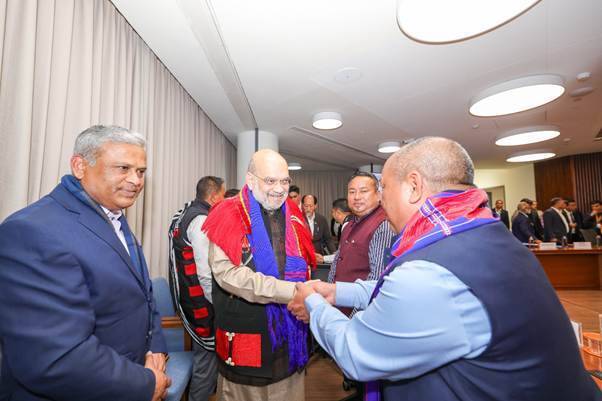
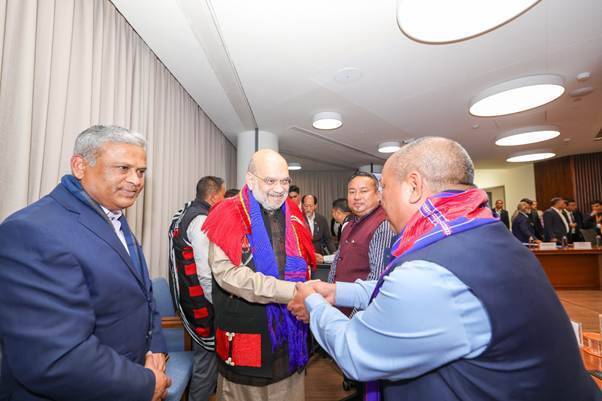
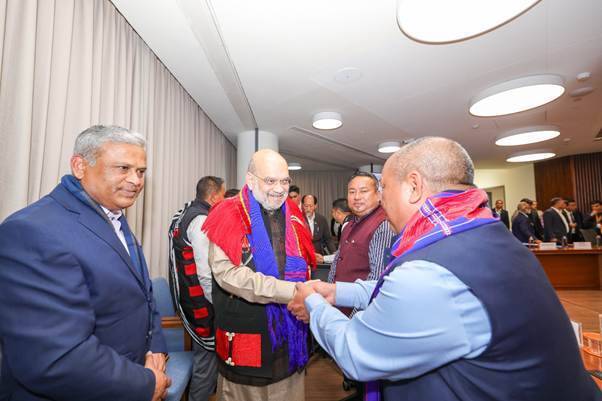
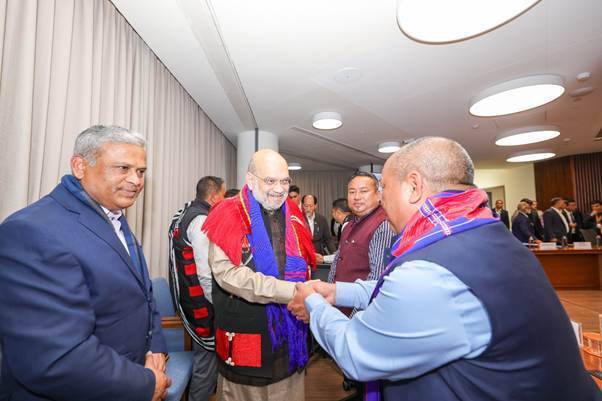
In a significant development, the Government of India has signed a landmark agreement with the Government of Nagaland, along with the Eastern Nagaland Peoples’ Organisation (ENPO), to establish the Frontier Nagaland Territorial Authority (FNTA). This agreement aims to boost development and provide greater autonomy to the tribes in Eastern Nagaland, covering six districts in the region. The signing of this agreement marks a major milestone in the efforts of the Indian government to address the developmental needs and aspirations of the people of Nagaland, particularly those in the eastern part of the state.
The agreement establishes the FNTA, which will have jurisdiction over six districts in Eastern Nagaland, namely, Mon, Tuensang, Longleng, Kiphire, Noklak, and Shamator. The FNTA will be responsible for governing these districts and will have powers over 46 subjects, including education, healthcare, agriculture, and infrastructure development. This transfer of power is expected to enable the local authorities to take charge of their development and address the unique challenges faced by the region.
One of the key features of the agreement is the provision of annual funding by the Centre to the FNTA. This funding will enable the FNTA to implement development projects and schemes in the region, without having to rely on the state government for funds. Additionally, the Centre will also provide a mini-secretariat to the FNTA, which will serve as the administrative headquarters for the authority. This will enable the FNTA to function effectively and efficiently, and to take decisions that are in the best interests of the people of Eastern Nagaland.
The signing of this agreement is a significant step forward in the efforts of the Indian government to address the developmental needs of the people of Nagaland. The state has long faced challenges related to infrastructure, education, and healthcare, and the establishment of the FNTA is expected to help address these challenges. The FNTA will be able to take decisions that are tailored to the specific needs of the region, and will be able to implement projects and schemes that are designed to promote development and prosperity in the region.
The agreement has been welcomed by the people of Nagaland, who see it as a major step forward in the development of the state. The ENPO, which has been a key player in the negotiations leading up to the agreement, has hailed the signing of the agreement as a “historic moment” for the people of Eastern Nagaland. The organisation has expressed its gratitude to the Indian government for its commitment to the development of the region, and has pledged to work with the FNTA to ensure that the benefits of the agreement are felt by all the people of the region.
The establishment of the FNTA is also expected to have a positive impact on the overall development of the state of Nagaland. The state has long faced challenges related to insurgency and militancy, and the agreement is seen as a major step forward in the efforts to promote peace and stability in the region. By providing greater autonomy to the tribes in Eastern Nagaland, the agreement is expected to help reduce feelings of alienation and discontent, and to promote a sense of ownership and belonging among the people of the region.
In conclusion, the agreement signed between the Government of India, the Government of Nagaland, and the Eastern Nagaland Peoples’ Organisation (ENPO) is a significant development that is expected to have a major impact on the development of the state of Nagaland. The establishment of the Frontier Nagaland Territorial Authority (FNTA) will provide greater autonomy to the tribes in Eastern Nagaland, and will enable them to take charge of their development and address the unique challenges faced by the region. The agreement is a testament to the commitment of the Indian government to the development of the region, and is expected to promote peace, stability, and prosperity in the state of Nagaland.
News Source: https://www.pib.gov.in/PressReleasePage.aspx
About the Author