World-class tech isn’t domain of the West anymore: Ola CEO to Musk
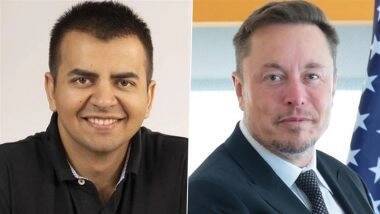
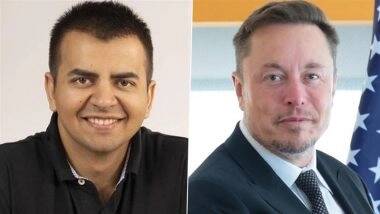
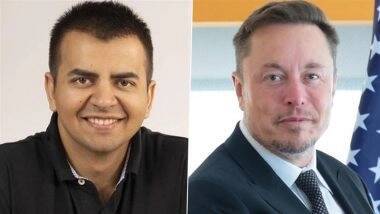
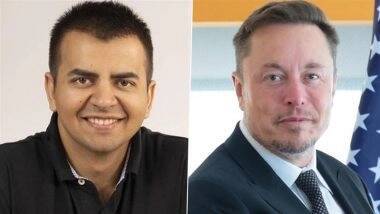
The world of technology has long been dominated by Western countries, with the United States and Europe being at the forefront of innovation. However, in recent years, there has been a significant shift in the global tech landscape. Emerging economies, particularly in Asia, have been rapidly catching up with their Western counterparts, and India has been at the forefront of this revolution. A recent exchange between Tesla CEO Elon Musk and Ola Electric founder-CEO Bhavish Aggarwal highlights this trend, with Aggarwal asserting that “world-class tech isn’t the domain of the West anymore.”
The conversation started when Musk announced that Tesla had achieved a “major breakthrough” by scaling the dry electrode process for lithium battery production. This technology is a significant advancement in battery production, as it allows for more efficient and cost-effective manufacturing. Musk’s announcement was met with excitement from the tech community, with many hailing it as a game-changer for the electric vehicle (EV) industry.
However, Aggarwal was quick to respond, pointing out that Ola Electric had already been using a similar dry coating process for its battery production since last year. In fact, Aggarwal claimed that lakhs of cells produced using this process were already in customer vehicles, demonstrating the scalability and effectiveness of the technology. This response was not just a matter of one-upmanship; it was a statement of fact that highlighted the advancements being made in the Indian tech industry.
Aggarwal’s response was not limited to just a technical comparison. He used the opportunity to make a broader point about the global tech landscape. “World-class tech isn’t the domain of the West anymore,” he said, emphasizing that Indian companies like Ola Electric were now capable of developing and deploying cutting-edge technologies that rivaled those of their Western counterparts. This statement is significant, as it reflects the growing confidence and capability of Indian tech companies to compete on the global stage.
The exchange between Musk and Aggarwal is not an isolated incident. It is part of a larger trend of Indian companies making significant strides in the tech industry. From e-commerce and fintech to artificial intelligence and renewable energy, Indian startups and companies have been making waves globally. The success of companies like Ola, Flipkart, and Paytm has demonstrated that Indian entrepreneurs and engineers have the talent, skills, and innovative spirit to create world-class technologies that can compete with the best in the world.
Moreover, the Indian government has been actively promoting the development of the tech industry, with initiatives like Make in India, Digital India, and Startup India. These initiatives have created a favorable ecosystem for startups and companies to innovate, experiment, and grow. The government’s focus on emerging technologies like artificial intelligence, blockchain, and the Internet of Things (IoT) has also helped to create a sense of urgency and excitement around tech innovation in India.
The implications of this trend are far-reaching. As Indian companies continue to develop and deploy world-class technologies, they will not only be able to compete with Western companies but also create new opportunities for collaboration and innovation. The exchange between Musk and Aggarwal is a great example of this, with two leaders from different parts of the world engaging in a constructive dialogue about technology and innovation.
In conclusion, the conversation between Elon Musk and Bhavish Aggarwal is a significant moment in the global tech landscape. It highlights the growing capabilities of Indian tech companies and the shifting dynamics of the global tech industry. As Aggarwal said, “world-class tech isn’t the domain of the West anymore.” This statement is not just a reflection of Indian pride but a recognition of the new reality of the global tech industry, where innovation and expertise are no longer limited to Western countries.
About the Author