West Antarctic ice melt could weaken ocean carbon absorption
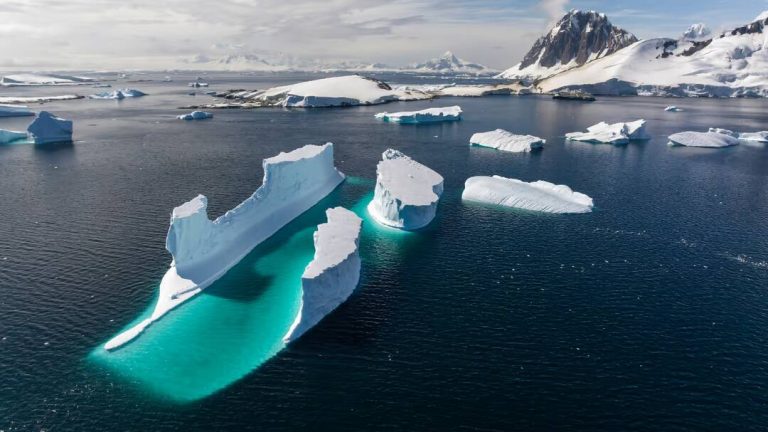
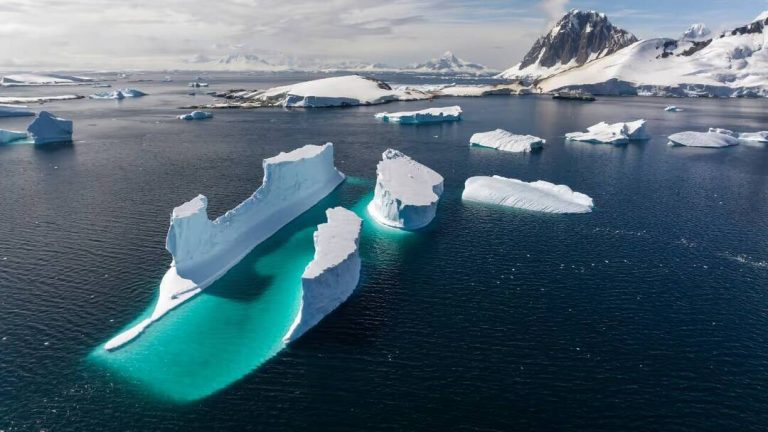
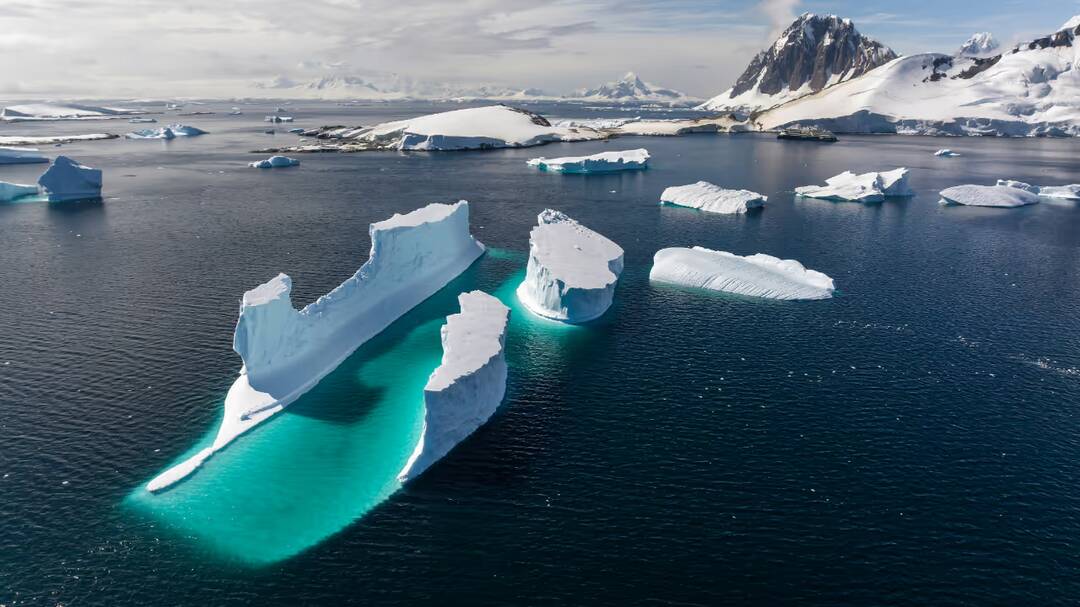
The West Antarctic Ice Sheet has been a subject of concern for scientists and climate experts in recent years. The ice sheet, which is one of the largest single masses of ice on Earth, has been melting at an alarming rate, contributing to sea level rise and other climate-related issues. Now, a new study has warned that the melting of the West Antarctic Ice Sheet could have another significant impact on the planet: weakening the Southern Ocean’s ability to absorb carbon dioxide.
The Southern Ocean, which surrounds Antarctica, plays a crucial role in the global carbon cycle. It absorbs a significant amount of carbon dioxide from the atmosphere, which helps to mitigate the effects of climate change. However, the melting of the West Antarctic Ice Sheet could disrupt this process, making it more difficult for the ocean to absorb carbon dioxide.
So, how does the melting of the West Antarctic Ice Sheet affect the Southern Ocean’s ability to absorb carbon dioxide? The answer lies in the role of iron in the ocean. Iron is a essential nutrient for algae, which are tiny plants that absorb carbon dioxide from the atmosphere through photosynthesis. When icebergs melt, they release iron into the ocean, which can stimulate the growth of algae and increase carbon absorption. However, the study found that much of the iron released by melting icebergs is in a form that is unusable by algae, limiting its potential to enhance carbon capture.
This is a significant concern, as the West Antarctic Ice Sheet is already showing signs of instability. The ice sheet has been losing mass at an alarming rate, with some studies suggesting that it could collapse entirely in the coming centuries. If this were to happen, it could have a major impact on the Southern Ocean’s ability to absorb carbon dioxide, making it even harder to slow the rate of climate change.
The study’s findings are based on an analysis of past warming events, which show that the West Antarctic Ice Sheet is highly sensitive to changes in temperature. During these events, the ice sheet has melted rapidly, releasing large amounts of iron into the ocean. However, much of this iron has been in a form that is unusable by algae, limiting its potential to enhance carbon capture.
The implications of this study are significant. If the West Antarctic Ice Sheet continues to melt at its current rate, it could create a feedback loop that makes climate change even harder to slow. As the ice sheet melts, it will release more iron into the ocean, but much of this iron will be unusable by algae. This will limit the ocean’s ability to absorb carbon dioxide, allowing more of the gas to remain in the atmosphere and exacerbate climate change.
The study’s authors warn that this feedback loop could have significant consequences for the planet. As the ocean’s ability to absorb carbon dioxide is weakened, it will become even harder to reduce greenhouse gas emissions and slow the rate of climate change. This could lead to more severe heatwaves, droughts, and other extreme weather events, which will have devastating impacts on ecosystems and human societies.
In conclusion, the melting of the West Antarctic Ice Sheet is a significant concern, not just because of its contribution to sea level rise, but also because of its potential impact on the Southern Ocean’s ability to absorb carbon dioxide. The study’s findings highlight the need for urgent action to reduce greenhouse gas emissions and slow the rate of climate change. As the planet continues to warm, it is essential that we take steps to protect the West Antarctic Ice Sheet and the Southern Ocean, which play critical roles in regulating the Earth’s climate.
The West Antarctic Ice Sheet is a fragile and delicate system, and its collapse could have far-reaching consequences for the planet. It is essential that we take immediate action to reduce our impact on the environment and slow the rate of climate change. This can be achieved through a combination of measures, including reducing greenhouse gas emissions, transitioning to renewable energy sources, and protecting natural ecosystems that absorb carbon dioxide.
As the world continues to grapple with the challenges of climate change, it is essential that we prioritize the protection of the West Antarctic Ice Sheet and the Southern Ocean. These ecosystems play critical roles in regulating the Earth’s climate, and their loss could have devastating consequences for the planet. By taking urgent action to reduce our impact on the environment, we can help to mitigate the effects of climate change and ensure a sustainable future for generations to come.
About the Author