405 Air Purifiers Bought for Ministers, VVIP Lounges in 4 Years: Govt
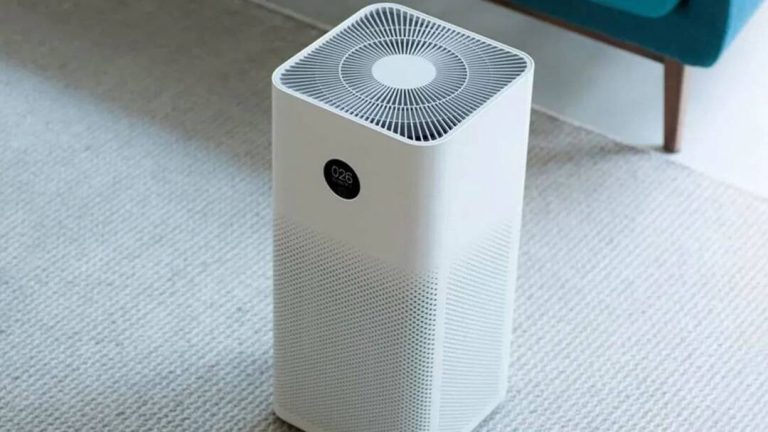
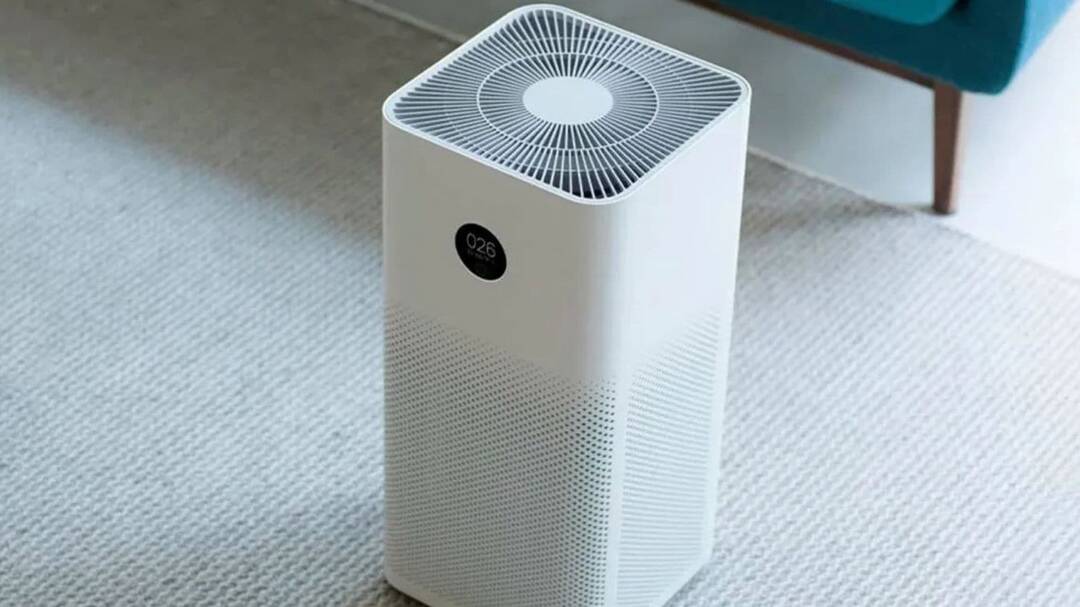
In a recent revelation, the government has disclosed that a significant number of air purifiers have been purchased for the use of ministers, VVIP lounges, and other government offices over the past four years. According to the information provided by the Housing and Urban Affairs Minister of State, Tokhan Sahu, in the Lok Sabha on Thursday, a total of 405 air purifiers have been procured by the Central Public Works Department (CPWD) between 2021 and 2025.
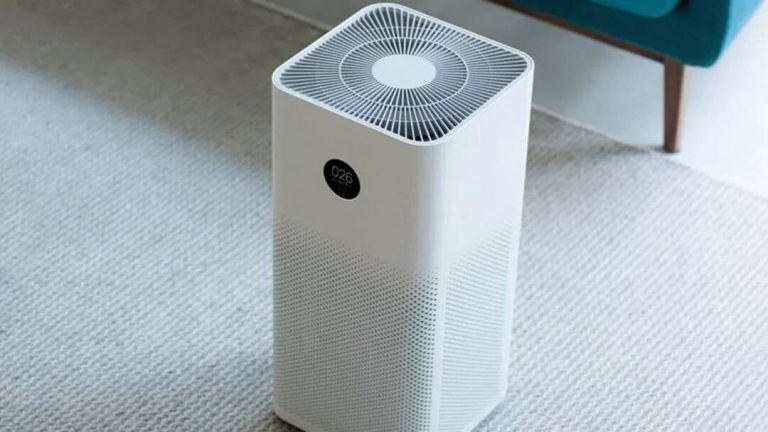
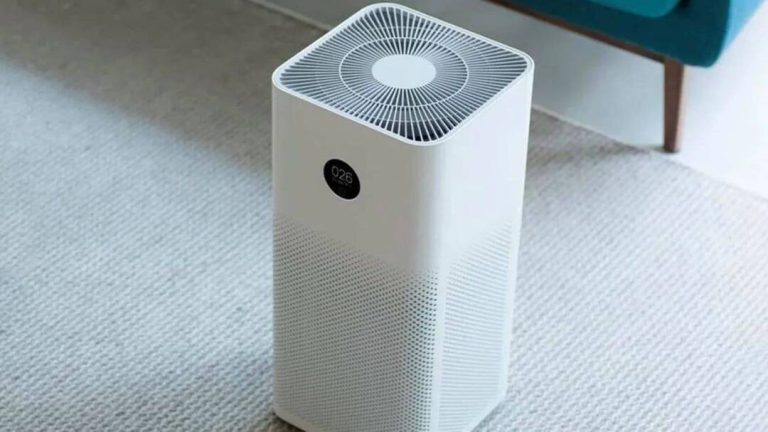
The air purifiers, which are designed to improve the indoor air quality, were purchased for various government offices, VVIP lounges, courtrooms, and even for the use of Supreme Court judges. The prices of these air purifiers ranged from ₹15,000 to ₹1.50 lakh per unit, indicating a significant investment by the government in ensuring clean air for its high-ranking officials and dignitaries.
The purchases were made through the government’s online procurement portal, which is aimed at increasing transparency and efficiency in government procurement processes. The use of the online portal for purchasing air purifiers suggests that the government is taking steps to modernize its procurement systems and make them more accountable.
The procurement of such a large number of air purifiers raises questions about the government’s priorities when it comes to addressing air pollution. While the government is taking steps to improve the air quality in government offices and for its high-ranking officials, many ordinary citizens continue to breathe polluted air in their daily lives. The fact that the government is investing in air purifiers for its officials while many citizens struggle to access basic amenities like clean air and water highlights the existing disparities in the country.
Moreover, the purchase of air purifiers for VVIP lounges and courtrooms also raises questions about the government’s allocation of resources. While it is understandable that the government wants to provide a healthy environment for its officials and dignitaries, it is also important to consider the needs of the broader population. The government should prioritize investments in public health and environmental protection, rather than just focusing on the comfort and well-being of its elite.
On the other hand, the procurement of air purifiers for Supreme Court judges and other government officials can also be seen as a positive step towards recognizing the importance of air quality in the workplace. The Indian judiciary has been at the forefront of environmental activism, and the provision of air purifiers for judges and court staff can be seen as a measure to support their health and well-being.
Furthermore, the use of air purifiers in government offices and courtrooms can also help to raise awareness about the importance of air quality in the country. By taking steps to improve the air quality in its own offices, the government can set an example for other institutions and organizations to follow. This can help to create a culture of environmental responsibility and encourage others to take similar steps to address air pollution.
In conclusion, the purchase of 405 air purifiers by the CPWD for government offices, VVIP lounges, and courtrooms over the past four years highlights the government’s efforts to address air pollution in its own institutions. While the move can be seen as a positive step towards recognizing the importance of air quality, it also raises questions about the government’s priorities and allocation of resources. The government should strive to balance its investments in the comfort and well-being of its officials with the needs of the broader population, and prioritize investments in public health and environmental protection.
About the Author