405 Air Purifiers Bought for Ministers, VVIP Lounges in 4 Years: Govt
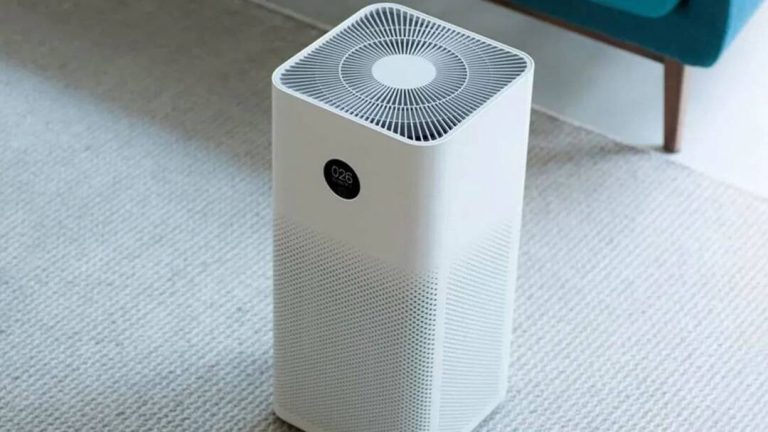
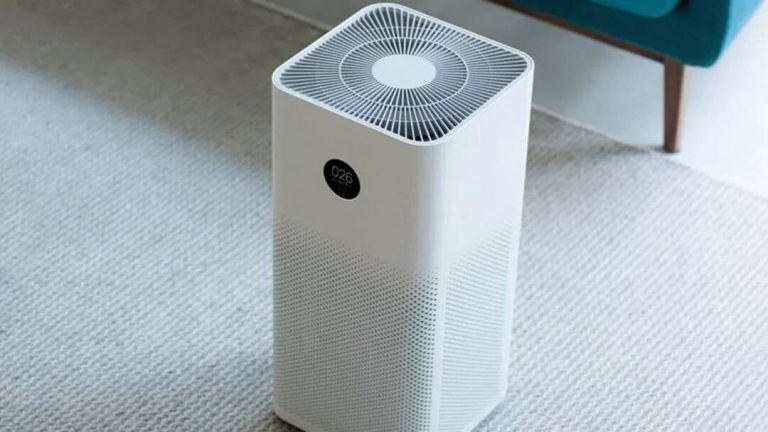
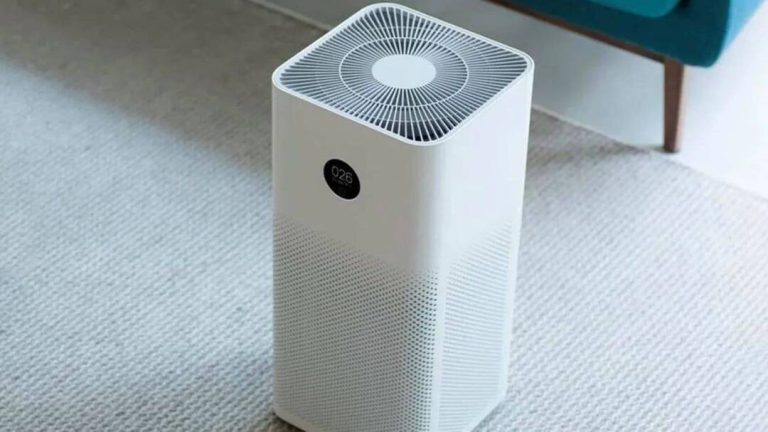
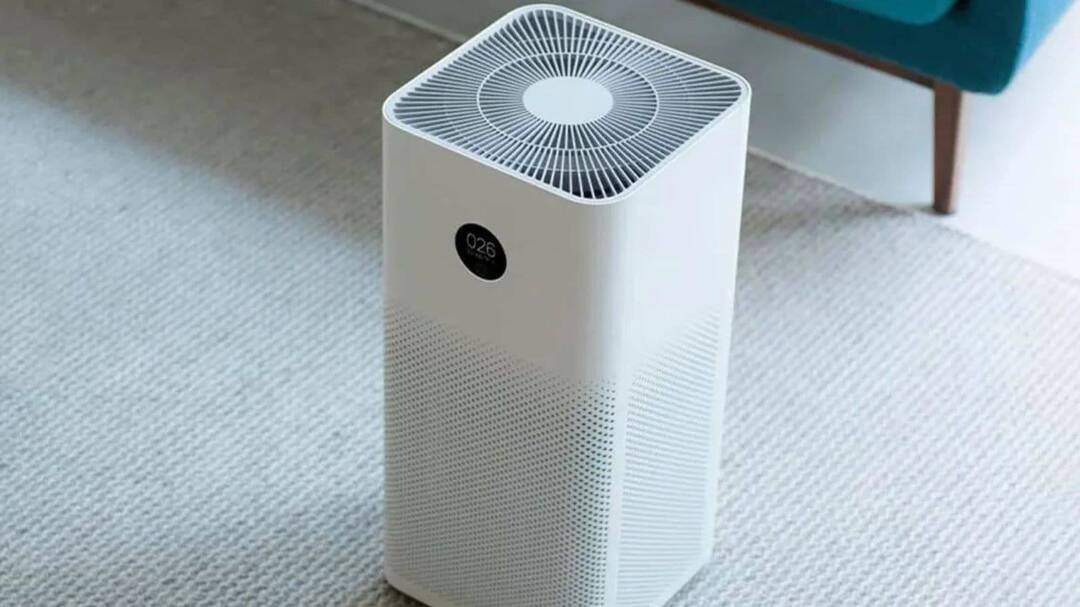
In a recent revelation, the government has disclosed that a total of 405 air purifiers have been procured for various government offices, VVIP lounges, courtrooms, and even for Supreme Court judges and ministers over the past four years. This information was shared by Housing and Urban Affairs Minister of State, Tokhan Sahu, in a statement to the Lok Sabha on Thursday. The air purifiers, which were purchased through the government’s online procurement portal, ranged in price from ₹15,000 to ₹1.50 lakh per unit.
The procurement of such a large number of air purifiers raises questions about the government’s priorities and the allocation of resources. While air pollution is a significant concern in many parts of the country, the focus on providing clean air to government officials and VVIPs has sparked debate about the fairness and equity of such measures. On one hand, it is understandable that government officials and dignitaries require a healthy and safe working environment. On the other hand, the fact that a significant amount of resources are being devoted to providing air purifiers for a select few, while many ordinary citizens continue to struggle with poor air quality, is a cause for concern.
The use of air purifiers in government offices and VVIP lounges is likely intended to mitigate the effects of air pollution, which is a major problem in many Indian cities. The capital city of Delhi, for example, is notorious for its poor air quality, which is often exacerbated during the winter months. The government has faced criticism in the past for its handling of the air pollution crisis, and the procurement of air purifiers may be seen as a step in the right direction. However, the fact that these air purifiers are being provided primarily for the benefit of government officials and VVIPs, rather than for the general public, is likely to be perceived as a privilege reserved for the elite.
It is also worth noting that the prices of the air purifiers procured by the government range from ₹15,000 to ₹1.50 lakh per unit. While these prices may not be excessive, they do highlight the significant investment being made in providing clean air to a select group of individuals. This raises questions about the overall cost-effectiveness of such measures and whether the benefits could be more widely shared. For instance, the government could consider investing in measures that would improve air quality more broadly, such as enhancing public transportation, promoting the use of clean energy, or implementing stricter emissions controls.
The procurement of air purifiers for Supreme Court judges and ministers is also noteworthy. These individuals are responsible for shaping the country’s laws and policies, and it is essential that they are able to work in a healthy and safe environment. However, the fact that they are being provided with air purifiers, while many ordinary citizens are not, is likely to be seen as a symbol of the disconnect between the government and the people. It is essential for the government to demonstrate that it is committed to addressing the needs and concerns of all citizens, not just a select few.
In conclusion, the procurement of 405 air purifiers for government offices, VVIP lounges, courtrooms, and Supreme Court judges and ministers over the past four years is a significant development that highlights the government’s priorities and resource allocation. While providing clean air to government officials and dignitaries is essential, it is crucial to consider the broader implications of such measures and to ensure that the benefits are shared more widely. The government must demonstrate a commitment to addressing the needs and concerns of all citizens, not just a select few, and to investing in measures that would improve air quality more broadly.
About the Author