West Antarctic ice melt could weaken ocean carbon absorption
The West Antarctic Ice Sheet, one of the most vulnerable regions to climate change, has been experiencing significant melting in recent years. This melting has far-reaching consequences, not only for sea-level rise but also for the Earth’s ability to absorb carbon dioxide. Scientists have warned that the melting of the West Antarctic Ice Sheet could weaken the Southern Ocean’s ability to absorb carbon dioxide, a critical process that helps regulate the Earth’s climate.
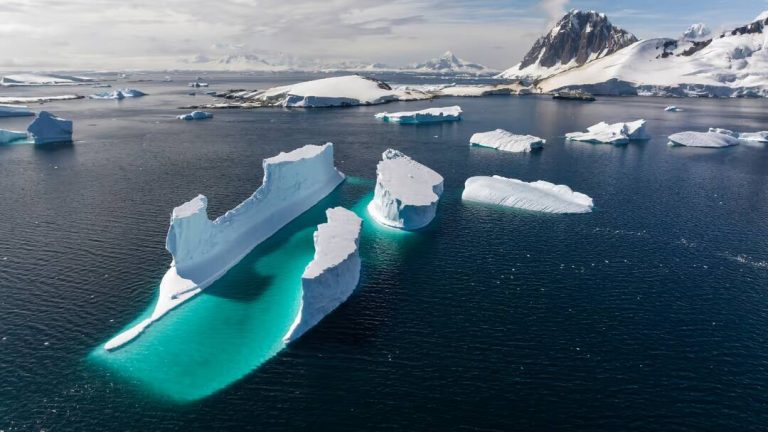
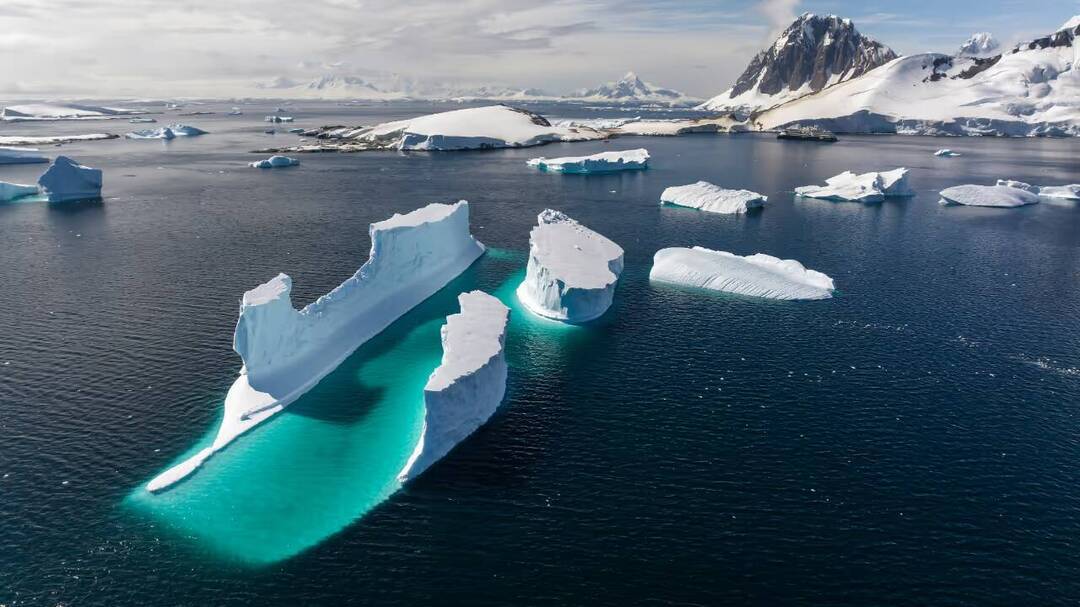
The Southern Ocean, which surrounds Antarctica, plays a crucial role in absorbing carbon dioxide from the atmosphere. Phytoplankton, tiny plant-like organisms, absorb carbon dioxide during photosynthesis, which helps to reduce the amount of carbon dioxide in the atmosphere. However, the melting of the West Antarctic Ice Sheet could disrupt this process. As icebergs melt, they release iron into the ocean, which is essential for phytoplankton growth. However, much of the iron released from icebergs is in a form that is unusable by phytoplankton, limiting the ability of these organisms to absorb carbon dioxide.
This finding has significant implications for our understanding of the Earth’s carbon cycle. The Southern Ocean is one of the most important carbon sinks, absorbing approximately 40% of the carbon dioxide emitted by human activities. However, if the West Antarctic Ice Sheet continues to melt, the Southern Ocean’s ability to absorb carbon dioxide could be severely weakened. This would create a feedback loop, where the melting of the ice sheet reduces the ocean’s ability to absorb carbon dioxide, leading to more rapid climate change, which in turn accelerates the melting of the ice sheet.
The sensitivity of the West Antarctic Ice Sheet to warming is well-documented. During the last interglacial period, around 125,000 years ago, the Earth experienced a warm period, and the West Antarctic Ice Sheet melted significantly. This melting was likely triggered by changes in ocean currents and temperatures, which are similar to the changes we are seeing today. The fact that the ice sheet melted during a previous warm period suggests that it is highly sensitive to changes in the climate, and that future melting could be even more rapid.
The consequences of a weakened ocean carbon sink are far-reaching. If the Southern Ocean’s ability to absorb carbon dioxide is reduced, it could lead to more rapid climate change, with severe consequences for ecosystems and human societies. Rising temperatures could lead to more frequent and severe heatwaves, droughts, and storms, which could have devastating impacts on agriculture, water resources, and human health.
Furthermore, the melting of the West Antarctic Ice Sheet could also have significant impacts on global sea levels. The ice sheet contains enough ice to raise sea levels by around 3.5 meters, and if it were to melt completely, it would have catastrophic consequences for coastal communities and ecosystems. The melting of the ice sheet could also trigger the collapse of other ice sheets, such as the Greenland Ice Sheet, which would lead to even more rapid sea-level rise.
In conclusion, the melting of the West Antarctic Ice Sheet is a critical issue that requires immediate attention. The potential weakening of the Southern Ocean’s ability to absorb carbon dioxide is a significant concern, as it could create a feedback loop that accelerates climate change. The sensitivity of the ice sheet to warming, as demonstrated by past melting events, suggests that future melting could be even more rapid. It is essential that we take urgent action to reduce greenhouse gas emissions and slow the rate of climate change, in order to mitigate the impacts of the melting of the West Antarctic Ice Sheet.
The science is clear: the melting of the West Antarctic Ice Sheet is a critical issue that requires immediate attention. We must take action to reduce our carbon footprint, invest in renewable energy, and protect natural carbon sinks like the Southern Ocean. The future of our planet depends on it.
About the Author