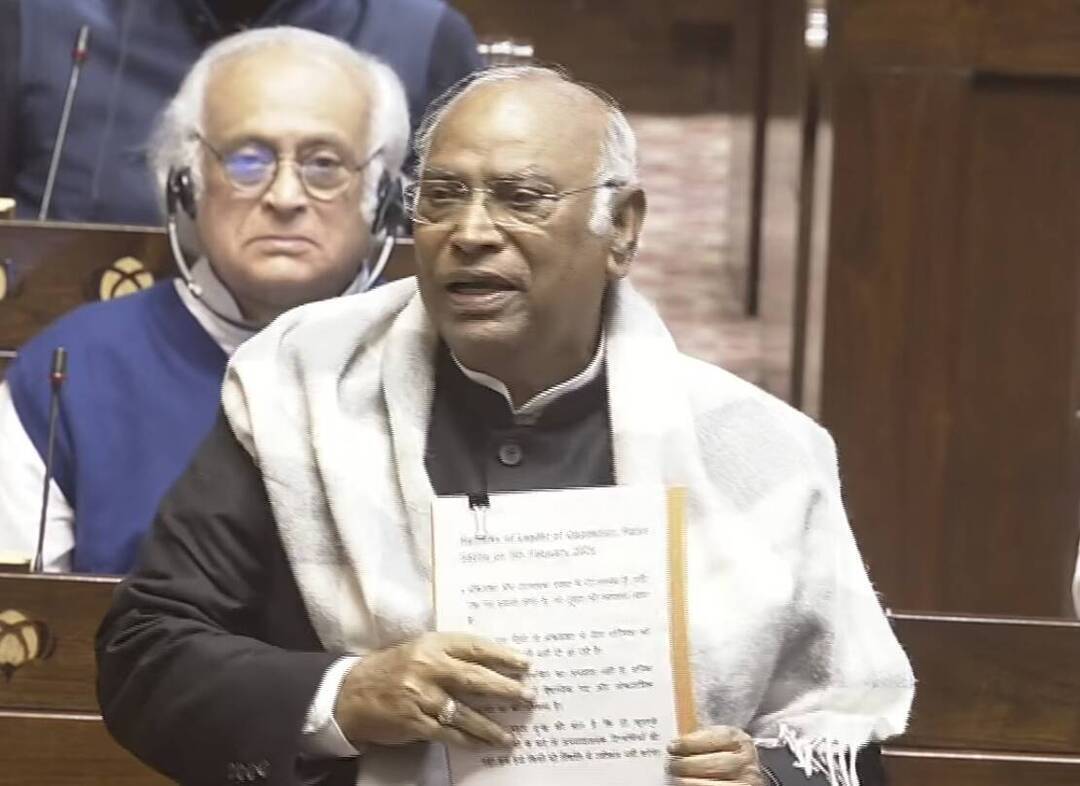
Kharge stopped from quoting book in Rajya Sabha, Opp’n walks out
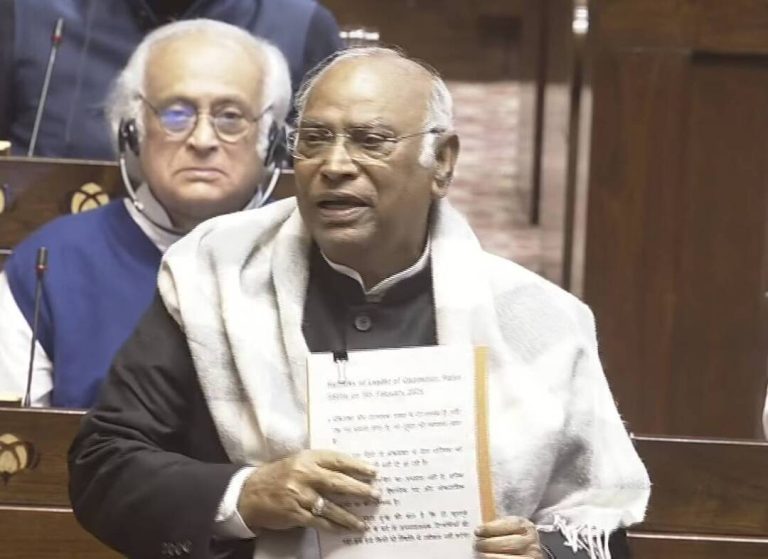
The Indian Parliament has been a hub of contentious debates and discussions, with the ruling party and the Opposition often locking horns over various issues. Recently, a significant incident occurred in the Rajya Sabha, where Congress MP Mallikarjun Kharge was stopped from quoting an unpublished memoir by former Army Chief General Manoj Mukund Naravane. This incident led to a walkout by the Opposition MPs, highlighting the deepening rift between the two sides.
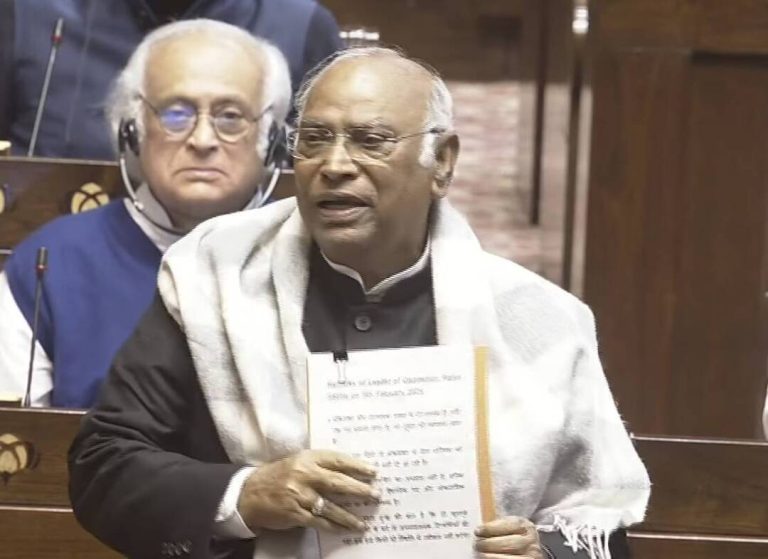
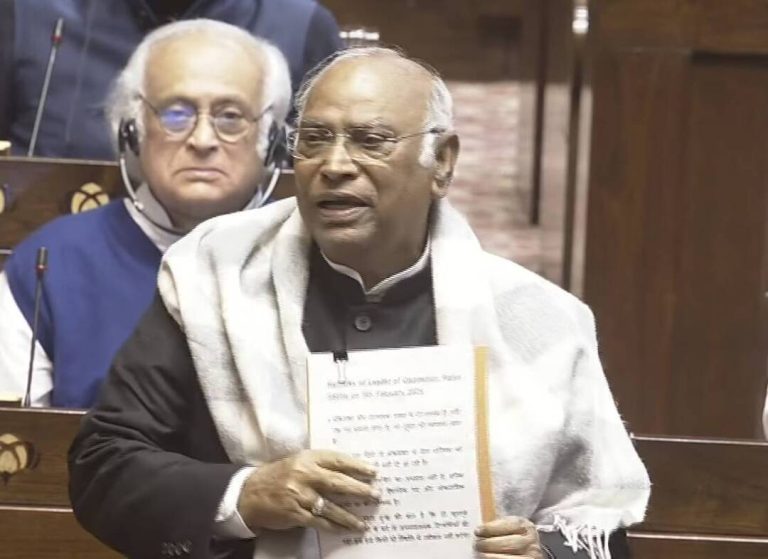
The controversy began when Kharge raised the issue of Congress MP Rahul Gandhi not being allowed to quote the same book in Lok Sabha. Kharge argued that the book, which is an unpublished memoir by General Naravane, contains important information that is relevant to the current debate. However, Rajya Sabha Chairman CP Radhakrishnan stopped Kharge from quoting the book, citing rules and regulations.
The Opposition MPs were quick to protest against the Chairman’s decision, arguing that it was an attempt to stifle their voice and suppress important information. The walkout was a demonstration of their dissatisfaction with the ruling party’s approach to democratic debate and discussion. The incident has sparked a heated debate about the role of the Parliament and the rights of MPs to express themselves freely.
The unpublished memoir by General Naravane has been a subject of interest in recent times, with many speculating about its contents. As a former Army Chief, General Naravane’s experiences and insights are valuable, and his memoir is expected to provide a unique perspective on the country’s security and defense issues. However, the fact that the book is unpublished has raised questions about its authenticity and the motives behind its release.
The incident in the Rajya Sabha has also raised questions about the role of the Parliament in promoting transparency and accountability. The Opposition MPs have argued that the ruling party is trying to suppress important information and stifle debate, which is a critical component of democratic governance. The walkout was a symbolic protest against this approach, and it highlights the need for a more nuanced and inclusive approach to democratic debate.
In recent times, the Indian Parliament has been witness to several contentious debates and walkouts. The Opposition MPs have been critical of the ruling party’s approach to governance, arguing that it is authoritarian and dismissive of dissenting voices. The incident in the Rajya Sabha is just the latest example of this trend, and it highlights the need for a more constructive and inclusive approach to democratic debate.
The ruling party has argued that the Opposition MPs are trying to disrupt the proceedings of the Parliament and create chaos. However, the Opposition MPs have countered that they are simply trying to hold the government accountable and promote transparency. The incident in the Rajya Sabha has highlighted the deepening rift between the two sides, and it remains to be seen how this will play out in the coming days.
As the Indian Parliament continues to grapple with these issues, it is essential to remember the importance of democratic debate and discussion. The Parliament is a sacred institution that represents the will of the people, and it is essential to ensure that it functions in a fair and transparent manner. The incident in the Rajya Sabha is a reminder of the challenges that lie ahead, and it highlights the need for a more nuanced and inclusive approach to democratic governance.
In conclusion, the incident in the Rajya Sabha where Kharge was stopped from quoting an unpublished memoir by General Naravane is a significant development that highlights the deepening rift between the ruling party and the Opposition. The walkout by the Opposition MPs is a demonstration of their dissatisfaction with the ruling party’s approach to democratic debate and discussion. As the Indian Parliament continues to evolve, it is essential to ensure that it remains a vibrant and inclusive institution that promotes transparency, accountability, and democratic governance.
News Source: https://x.com/PTI_News/status/2019299438746091906
About the Author