West Antarctic ice melt could weaken ocean carbon absorption
The West Antarctic Ice Sheet has been a subject of concern for scientists and climate experts in recent years. The ice sheet, which is one of the largest single masses of ice on Earth, has been melting at an alarming rate due to climate change. While the consequences of this melting are well-documented, a new study has highlighted a previously overlooked effect: the potential weakening of the Southern Ocean’s ability to absorb carbon dioxide.
The Southern Ocean, which surrounds Antarctica, plays a crucial role in the global carbon cycle. It is responsible for absorbing a significant portion of the carbon dioxide emitted into the atmosphere, which helps to mitigate the effects of climate change. However, scientists warn that the melting of the West Antarctic Ice Sheet could disrupt this process, making it more difficult to slow down climate change.
One of the key factors in the Southern Ocean’s ability to absorb carbon dioxide is the presence of iron. Iron is an essential nutrient for phytoplankton, the tiny plants that form the base of the ocean’s food web. These plants absorb carbon dioxide during photosynthesis, which helps to remove it from the atmosphere. However, iron is often in short supply in the Southern Ocean, limiting the growth of phytoplankton and the ocean’s ability to absorb carbon dioxide.
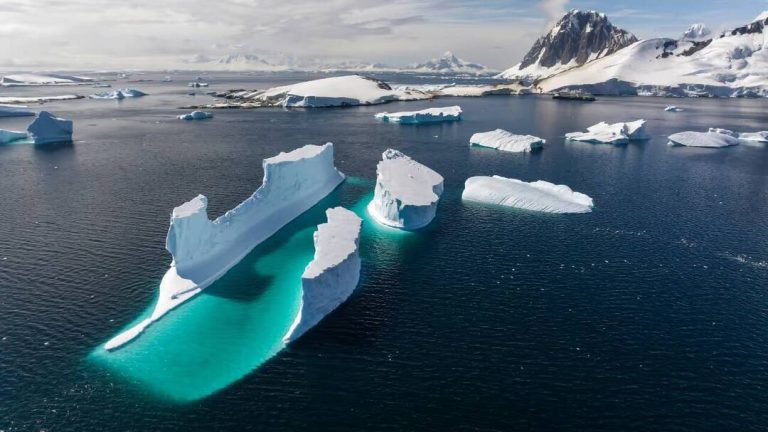
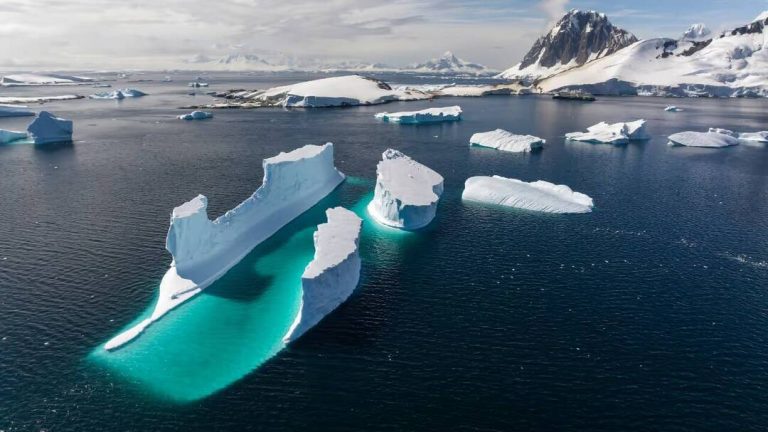
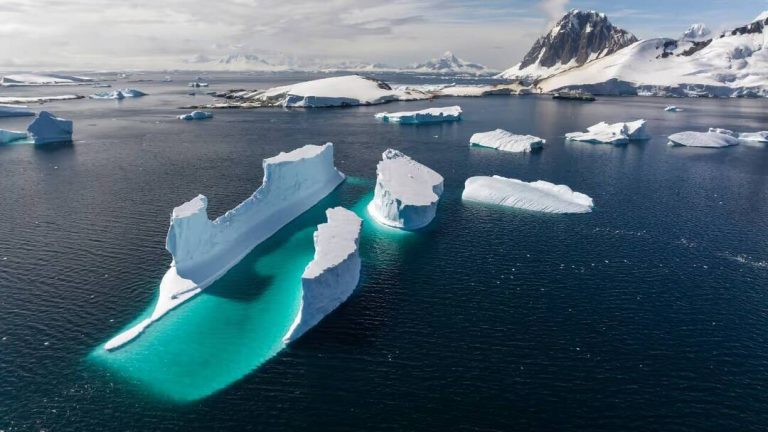
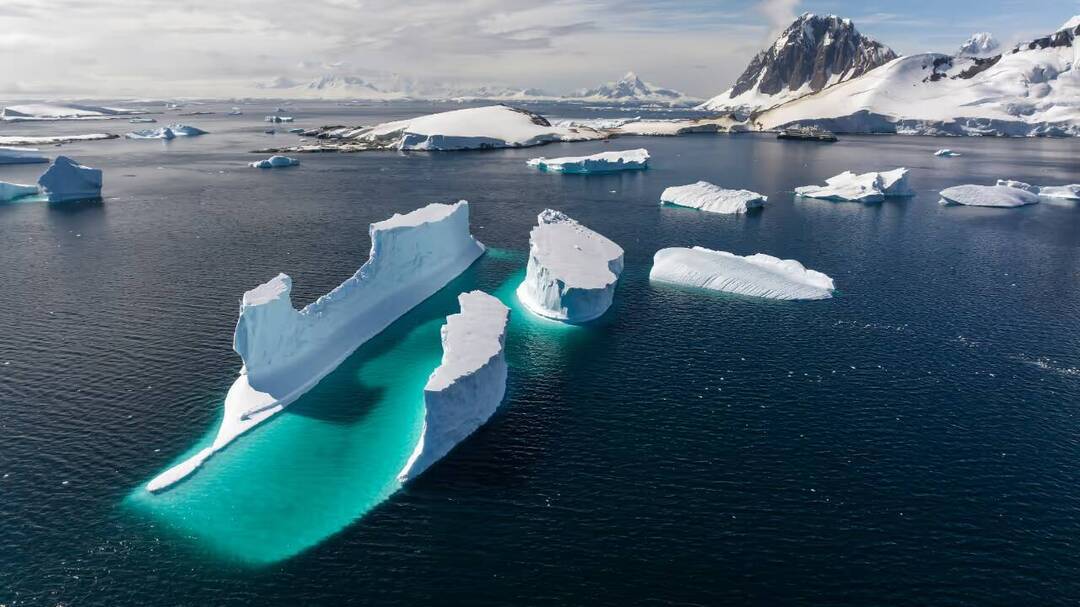
Icebergs, which are formed when the West Antarctic Ice Sheet melts, can provide a source of iron to the ocean. As they melt, they release iron into the water, which can be used by phytoplankton to grow and absorb carbon dioxide. However, the study found that much of the iron released by icebergs is in a form that is unusable by phytoplankton. This means that while the melting of the West Antarctic Ice Sheet may provide some iron to the ocean, it is not enough to significantly enhance the ocean’s ability to absorb carbon dioxide.
In fact, the study suggests that the melting of the West Antarctic Ice Sheet could actually weaken the Southern Ocean’s ability to absorb carbon dioxide. As the ice sheet melts, it releases fresh water into the ocean, which can dilute the concentration of iron and other nutrients. This can limit the growth of phytoplankton, reducing the ocean’s ability to absorb carbon dioxide.
The sensitivity of the West Antarctic Ice Sheet to climate change is well-documented. The ice sheet has melted and re-formed several times in the past, in response to changes in the Earth’s climate. During the last interglacial period, which occurred around 125,000 years ago, the ice sheet is believed to have melted completely, contributing to a significant rise in sea levels.
The study’s findings suggest that the West Antarctic Ice Sheet is likely to melt again in the future, as the Earth continues to warm due to climate change. This melting could create a feedback loop, where the release of fresh water and iron into the ocean reduces the ocean’s ability to absorb carbon dioxide, which in turn accelerates climate change. This feedback loop could make it even more difficult to slow down climate change, as the ocean’s ability to absorb carbon dioxide is reduced.
The implications of this study are significant. It highlights the need for urgent action to reduce greenhouse gas emissions and slow down climate change. The melting of the West Antarctic Ice Sheet is just one of the many consequences of climate change, and it is essential that we take action to mitigate its effects.
In conclusion, the melting of the West Antarctic Ice Sheet could have a significant impact on the Southern Ocean’s ability to absorb carbon dioxide. While icebergs may provide some iron to the ocean, much of it is in a form that is unusable by phytoplankton. The release of fresh water into the ocean could also dilute the concentration of iron and other nutrients, limiting the growth of phytoplankton and reducing the ocean’s ability to absorb carbon dioxide. The sensitivity of the West Antarctic Ice Sheet to climate change suggests that it is likely to melt again in the future, creating a feedback loop that could make it even more difficult to slow down climate change.
About the Author