West Antarctic ice melt could weaken ocean carbon absorption
The West Antarctic Ice Sheet has been a subject of concern for climate scientists in recent years, as its melting has been accelerating at an alarming rate. A new study has highlighted the potential consequences of this melting, warning that it could weaken the Southern Ocean’s ability to absorb carbon dioxide. This is a critical issue, as the Southern Ocean plays a significant role in regulating the Earth’s climate, and any reduction in its ability to absorb carbon dioxide could have severe implications for the planet.
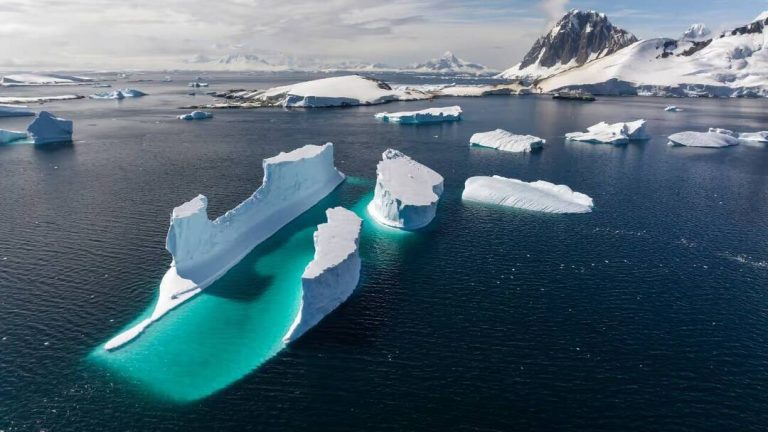
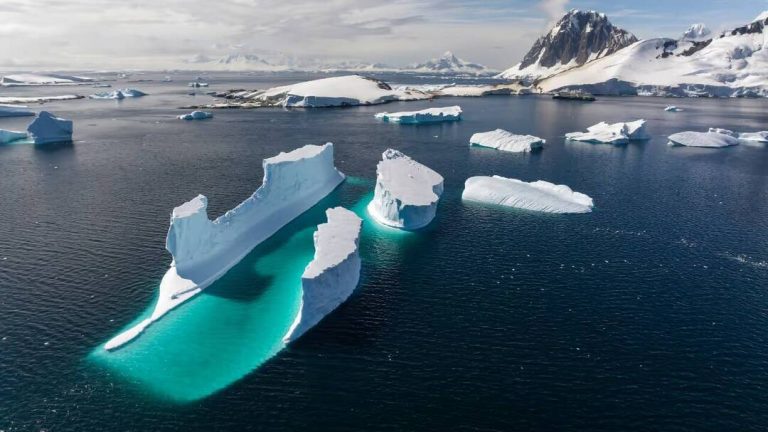
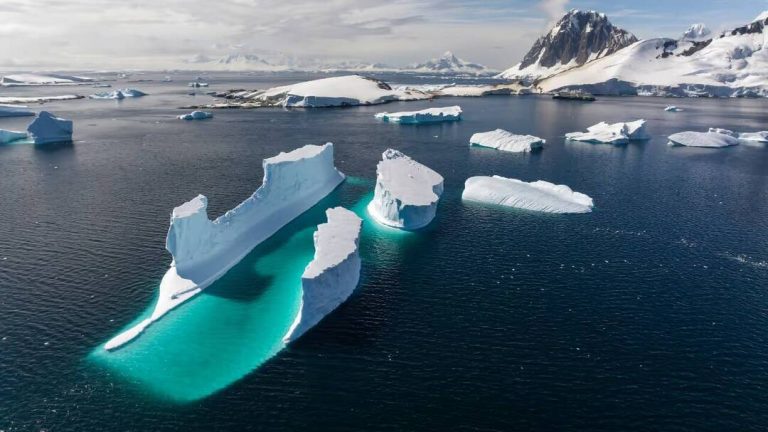
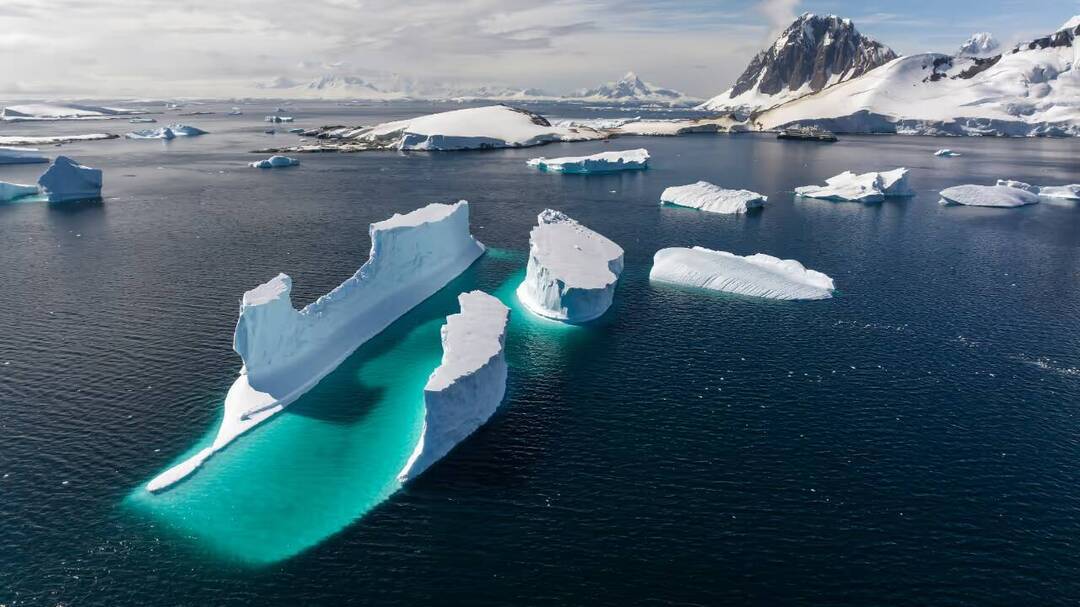
The study suggests that the melting of the West Antarctic Ice Sheet could lead to a decrease in the ocean’s ability to absorb carbon dioxide due to the release of iron into the ocean. Iron is an essential nutrient for algae, which are responsible for absorbing carbon dioxide through photosynthesis. However, the iron released from melting icebergs is often in a form that is not readily available to algae, limiting the ocean’s ability to capture carbon.
This is a significant concern, as the Southern Ocean is one of the most important carbon sinks in the world. It absorbs approximately 40% of the carbon dioxide emitted by human activities, making it a critical component of the global carbon cycle. Any reduction in its ability to absorb carbon dioxide could lead to an increase in atmospheric carbon dioxide levels, exacerbating climate change.
The study’s findings are based on an analysis of past warming events, which show that the West Antarctic Ice Sheet is highly sensitive to changes in temperature. During these events, the ice sheet melted rapidly, releasing large amounts of iron into the ocean. However, much of this iron was not available to algae, limiting the ocean’s ability to capture carbon.
The researchers warn that this could create a feedback loop, where the melting of the West Antarctic Ice Sheet leads to a reduction in the ocean’s ability to absorb carbon dioxide, which in turn accelerates climate change, leading to further melting of the ice sheet. This could make it even more challenging to slow down climate change, as the feedback loop would be self-reinforcing.
The study’s lead author noted that the findings highlight the importance of considering the potential consequences of ice sheet melting on the global carbon cycle. “Our study shows that the melting of the West Antarctic Ice Sheet could have significant implications for the ocean’s ability to absorb carbon dioxide,” the author said. “This is a critical issue, as the Southern Ocean plays a vital role in regulating the Earth’s climate.”
The researchers used a combination of satellite data, ocean sediment cores, and climate models to reconstruct the history of the West Antarctic Ice Sheet and its impact on the Southern Ocean. They found that the ice sheet has been melting rapidly over the past few decades, with some areas experiencing ice loss of up to 50% since the 1980s.
The study’s findings have significant implications for climate policy, as they suggest that reducing greenhouse gas emissions may not be enough to slow down climate change. The researchers warn that the melting of the West Antarctic Ice Sheet could lead to a tipping point, beyond which the feedback loop becomes self-sustaining, making it even more challenging to mitigate the effects of climate change.
In conclusion, the melting of the West Antarctic Ice Sheet could have severe consequences for the planet, including a reduction in the ocean’s ability to absorb carbon dioxide. The study’s findings highlight the importance of considering the potential consequences of ice sheet melting on the global carbon cycle and the need for urgent action to reduce greenhouse gas emissions.
As the world continues to grapple with the challenges of climate change, it is essential to consider the potential consequences of ice sheet melting on the ocean’s ability to absorb carbon dioxide. The study’s findings serve as a warning, highlighting the need for immediate action to reduce greenhouse gas emissions and mitigate the effects of climate change.
About the Author