Where’s your father, country waiting to give him red carpet: SC to Choksi’s son
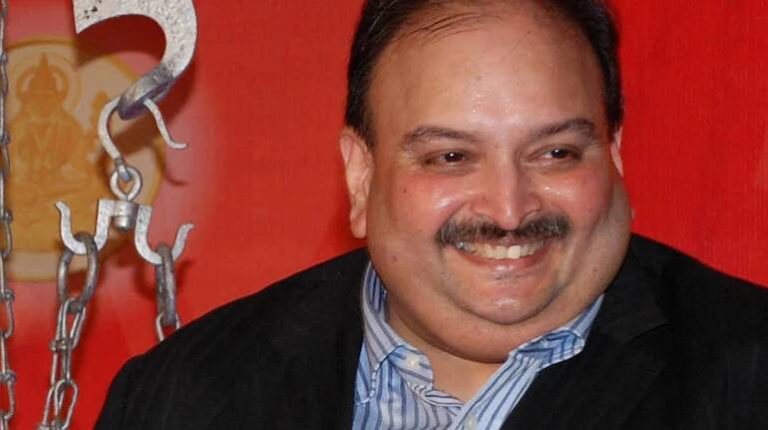
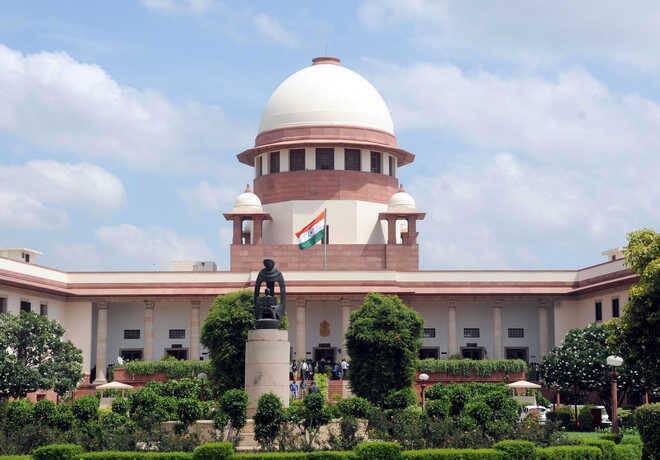
The Supreme Court of India has made a scathing remark in a recent hearing, asking the son of fugitive businessman Mehul Choksi where his father is hiding. The court’s comment came during the hearing of a petition filed by Choksi’s son against the National Spot Exchange Limited’s decision to include him in a ₹937-crore recovery suit. The suit is related to the Punjab National Bank scam, in which Mehul Choksi is an accused.
The court’s observation is a clear indication of the country’s eagerness to bring Mehul Choksi to justice. “Where’s your respected father nowadays? The…country is…waiting to give him a red-carpet welcome,” the court said, its tone laced with sarcasm. The remark is a reflection of the country’s frustration with Choksi’s continued absence and the government’s efforts to extradite him.
Mehul Choksi, the owner of Gitanjali Gems, is accused of perpetrating a massive fraud on the Punjab National Bank, along with his nephew Nirav Modi. The scam, which is estimated to be worth ₹13,000 crore, has sent shockwaves through the Indian banking system and has led to a massive manhunt for the accused. While Nirav Modi is currently in a UK prison, fighting extradition to India, Mehul Choksi is believed to be hiding in Antigua and Barbuda, a Caribbean island nation.
The Supreme Court’s comment is not just a rhetorical question, but a reminder to Choksi’s son that his father’s actions have consequences. By including Choksi’s son in the recovery suit, the National Spot Exchange Limited is seeking to recover the losses incurred due to the fraud. The court’s decision to dismiss the petition filed by Choksi’s son is a clear indication that the law will not tolerate any attempts to shield or protect those accused of financial irregularities.
The Punjab National Bank scam has been a major embarrassment for the Indian government, and the country’s law enforcement agencies have been working tirelessly to bring the accused to justice. The government has also taken several steps to prevent such scams in the future, including the introduction of new regulations and the strengthening of the banking system.
The Supreme Court’s remark is also a reflection of the country’s growing impatience with fugitive businessmen who flee the country to avoid prosecution. In recent years, several high-profile businessmen, including Vijay Mallya and Nirav Modi, have fled the country, leaving behind a trail of debts and unpaid loans. The government has been working to extradite these individuals and bring them to justice, but the process has been slow and often frustrating.
In the case of Mehul Choksi, the government has been trying to extradite him from Antigua and Barbuda, but the process has been delayed due to various reasons. The Indian government has been in touch with the Antiguan authorities, and a team of officials has been sent to the island nation to pursue the extradition process.
The Supreme Court’s comment is a clear message to Mehul Choksi and other fugitive businessmen that they cannot escape the law forever. The country is waiting for them, and the law will catch up with them eventually. The remark is also a reminder to the government and the law enforcement agencies to step up their efforts to bring these individuals to justice and recover the losses incurred due to their actions.
In conclusion, the Supreme Court’s remark is a significant development in the ongoing saga of the Punjab National Bank scam. The court’s comment is a clear indication of the country’s frustration with Mehul Choksi’s continued absence and the government’s efforts to extradite him. The remark is also a reminder to Choksi’s son that his father’s actions have consequences and that the law will not tolerate any attempts to shield or protect those accused of financial irregularities.
The country is indeed waiting to give Mehul Choksi a “red-carpet welcome”, but it will be a welcome to a prison cell, not a welcome to a life of luxury and comfort. The law will catch up with him eventually, and he will have to face the consequences of his actions. The Supreme Court’s remark is a clear message to all fugitive businessmen that they cannot escape the law forever, and that justice will be served.
About the Author