West Antarctic ice melt could weaken ocean carbon absorption
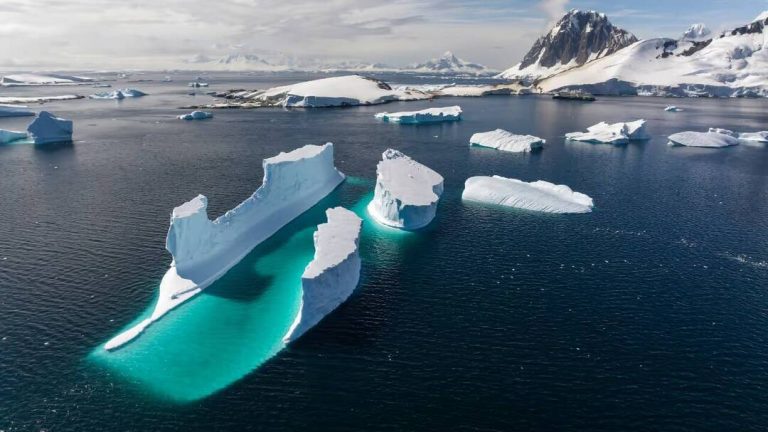
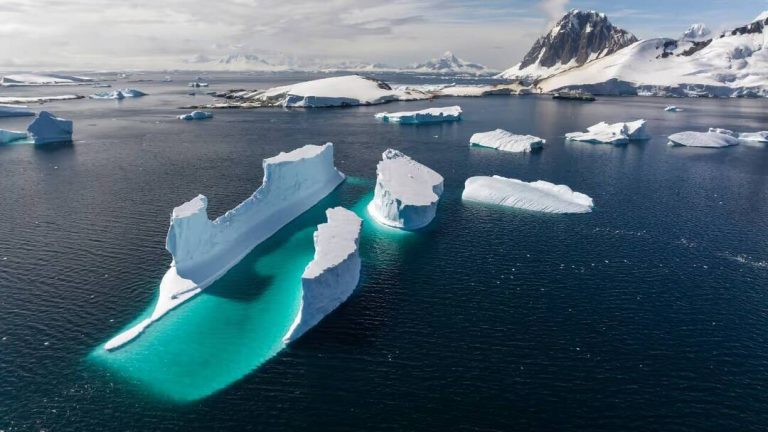
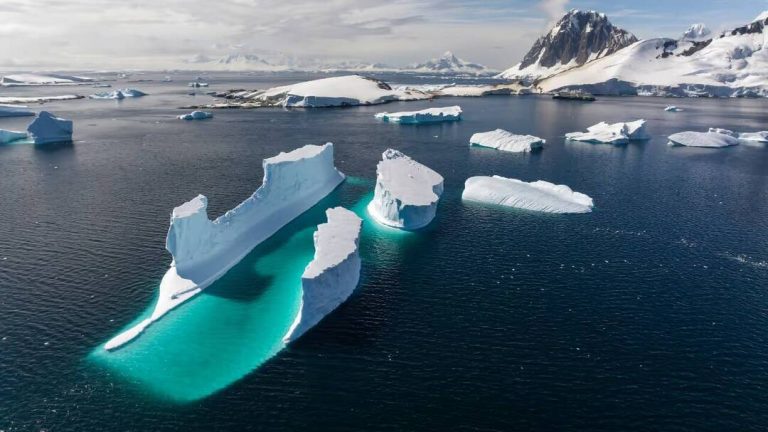
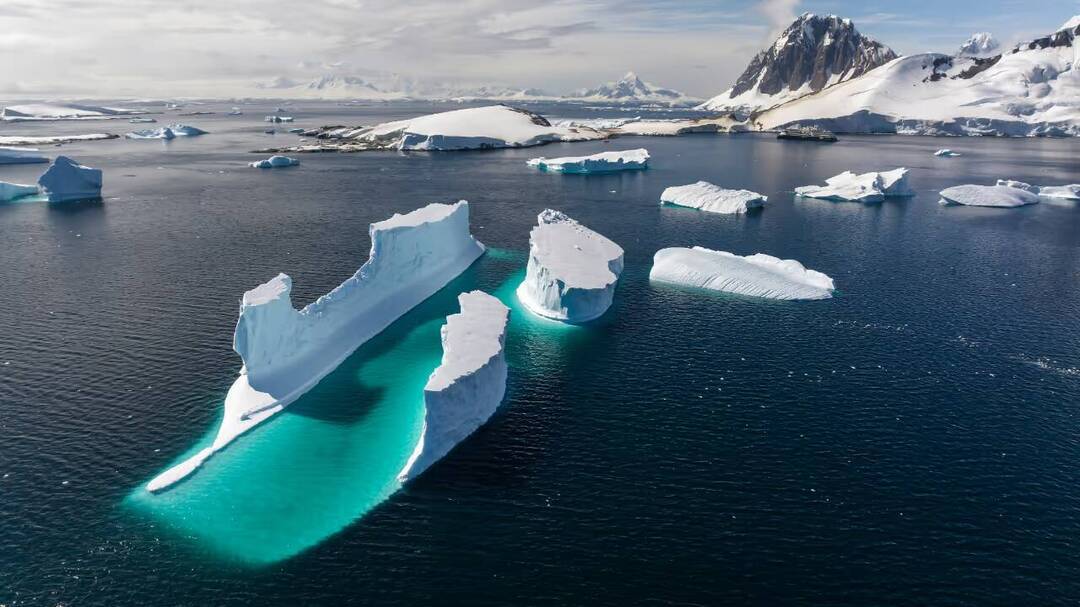
The West Antarctic Ice Sheet has been a subject of concern for climate scientists in recent years, as its melting has been accelerating at an alarming rate. A new study has revealed that the melting of this ice sheet could have a profound impact on the Southern Ocean’s ability to absorb carbon dioxide, a critical component in the fight against climate change. The findings suggest that the release of iron from icebergs into the ocean, while beneficial for algae growth, may not be as effective in capturing carbon as previously thought.
The Southern Ocean, which surrounds Antarctica, plays a crucial role in absorbing carbon dioxide from the atmosphere. This process, known as carbon sequestration, is essential for mitigating the effects of climate change. However, the melting of the West Antarctic Ice Sheet could weaken the ocean’s ability to perform this function. The ice sheet’s melting releases iron into the ocean, which is a essential nutrient for algae growth. Algae, in turn, absorb carbon dioxide during photosynthesis, which helps to reduce the amount of carbon in the atmosphere.
However, the study found that much of the iron released from icebergs is in a form that is unusable by algae. This means that while the iron may be present in the ocean, it is not able to be utilized by the algae to capture carbon. As a result, the carbon absorption capacity of the Southern Ocean may be reduced, leading to an increase in atmospheric carbon dioxide levels.
The West Antarctic Ice Sheet’s sensitivity to warming is a major concern. The ice sheet has been melting at an unprecedented rate in recent years, with some studies suggesting that it could collapse entirely in the coming centuries. This would not only contribute to sea level rise but also have a profound impact on the global climate. The ice sheet’s melting is driven by a combination of factors, including warming ocean waters and changes in ocean currents.
Past warming events have shown that the West Antarctic Ice Sheet is highly sensitive to changes in temperature. During the last interglacial period, which occurred around 125,000 years ago, the ice sheet is believed to have melted entirely. This suggests that the ice sheet is capable of melting rapidly in response to warming, and that future melting could create a feedback loop that makes climate change harder to slow.
The feedback loop works as follows: as the ice sheet melts, it releases iron into the ocean, which stimulates the growth of algae. However, much of the iron is in a form that is unusable by algae, limiting carbon capture. As a result, more carbon dioxide remains in the atmosphere, leading to further warming and melting of the ice sheet. This creates a self-reinforcing cycle that could be difficult to break.
The implications of this study are significant. If the West Antarctic Ice Sheet continues to melt at its current rate, it could lead to a reduction in the Southern Ocean’s ability to absorb carbon dioxide. This would make it even more challenging to slow the rate of climate change, as more carbon dioxide would remain in the atmosphere. The study’s findings highlight the need for urgent action to reduce greenhouse gas emissions and slow the rate of global warming.
In conclusion, the melting of the West Antarctic Ice Sheet could have a profound impact on the Southern Ocean’s ability to absorb carbon dioxide. The release of iron from icebergs into the ocean may not be as effective in capturing carbon as previously thought, due to the unusable form of the iron. The ice sheet’s sensitivity to warming and the potential for a feedback loop to develop make it essential to take action to reduce greenhouse gas emissions and slow the rate of global warming. As the world continues to grapple with the challenges of climate change, it is essential that we prioritize the protection of the West Antarctic Ice Sheet and the Southern Ocean’s carbon absorption capacity.
About the Author