West Antarctic ice melt could weaken ocean carbon absorption
The West Antarctic Ice Sheet has been a subject of concern for climate scientists in recent years, as its melting has accelerated at an alarming rate. The ice sheet, which is one of the largest single masses of ice on Earth, plays a crucial role in regulating the planet’s climate. However, a new study has revealed that the melting of the West Antarctic Ice Sheet could have a devastating impact on the Southern Ocean’s ability to absorb carbon dioxide. This, in turn, could create a feedback loop that makes it even harder to slow down climate change.
The Southern Ocean, which surrounds Antarctica, is one of the most efficient carbon sinks in the world. It absorbs approximately 40% of the carbon dioxide emitted by human activities, making it a critical component of the global carbon cycle. However, the melting of the West Antarctic Ice Sheet could weaken the ocean’s ability to absorb carbon dioxide, leading to a significant increase in atmospheric carbon levels.
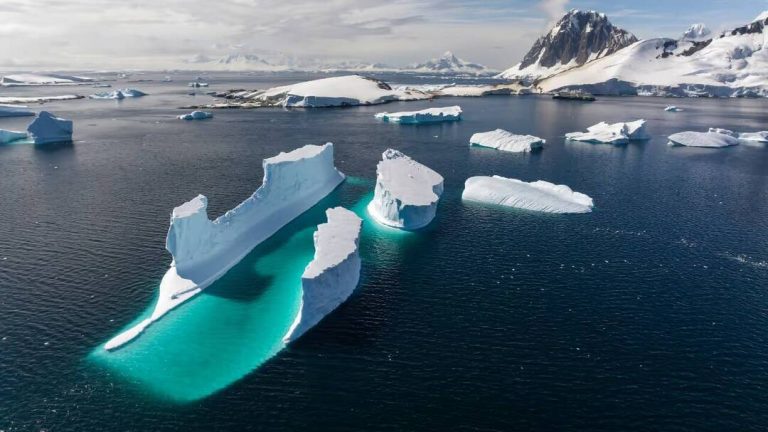
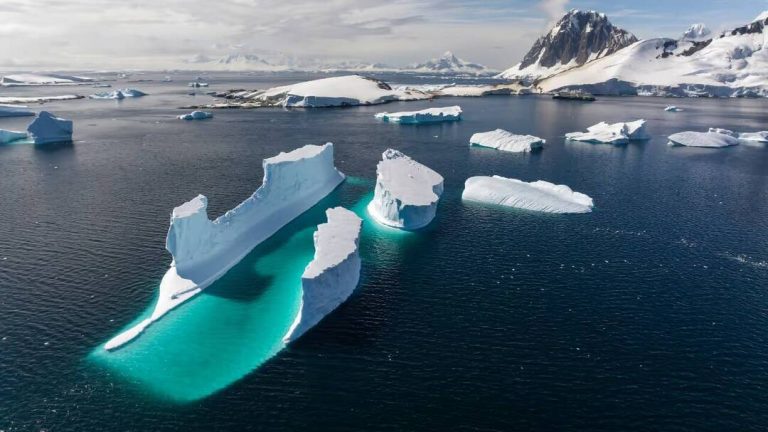
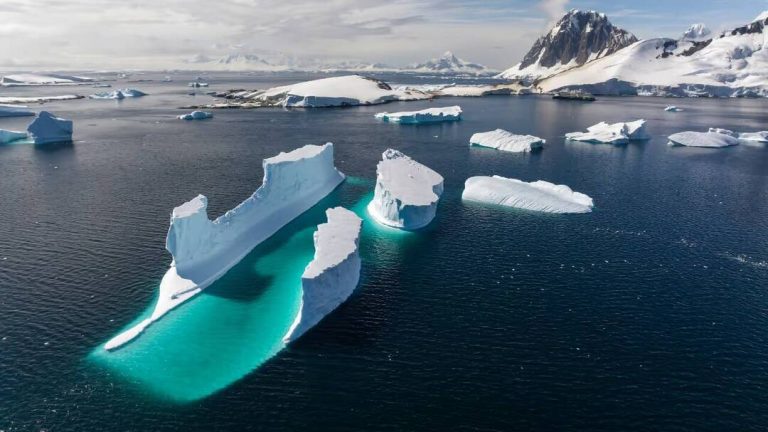
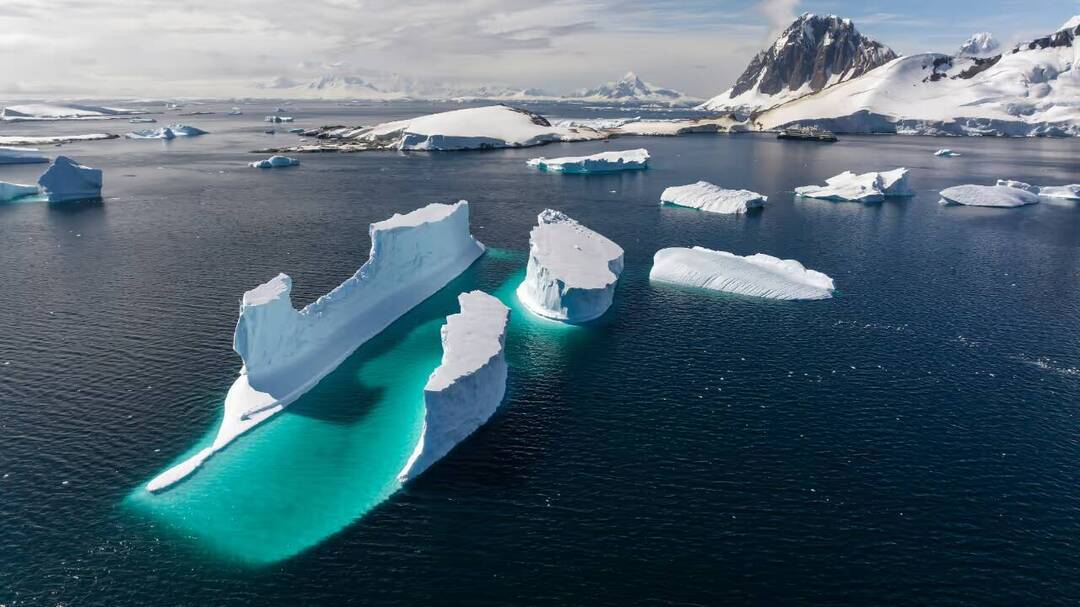
The main culprit behind this weakening is iron. Icebergs that break off from the West Antarctic Ice Sheet release iron into the ocean, which is essential for the growth of algae. Algae, in turn, absorb carbon dioxide from the atmosphere through photosynthesis. However, the iron released by icebergs is often in a form that is unusable by algae, limiting the ocean’s ability to capture carbon. This is because the iron is often bound to organic matter, making it inaccessible to the algae.
To understand the impact of West Antarctic ice melt on ocean carbon absorption, scientists have been studying the region’s history. Past warming events have shown that the ice sheet is highly sensitive to changes in temperature, and even small increases in temperature can lead to significant melting. This sensitivity suggests that future melting could create a feedback loop, where the melting of the ice sheet leads to a reduction in ocean carbon absorption, which in turn accelerates climate change.
One of the key findings of the study is that the iron released by icebergs is not as effective at stimulating algae growth as previously thought. While icebergs do release iron into the ocean, much of it is in a form that is not usable by algae. This means that the ocean’s ability to absorb carbon dioxide is not as strong as previously thought, and the melting of the West Antarctic Ice Sheet could have a significant impact on the global carbon cycle.
The implications of this study are significant. If the West Antarctic Ice Sheet continues to melt at its current rate, it could lead to a reduction in ocean carbon absorption, which would accelerate climate change. This, in turn, would lead to more melting of the ice sheet, creating a feedback loop that is difficult to break. The study’s findings suggest that reducing greenhouse gas emissions is critical to slowing down climate change, as it would help to slow down the melting of the West Antarctic Ice Sheet and preserve the ocean’s ability to absorb carbon dioxide.
The study’s authors are calling for urgent action to reduce greenhouse gas emissions and slow down climate change. They argue that the window for taking action is rapidly closing, and that immediate action is needed to prevent the worst impacts of climate change. The study’s findings are a stark reminder of the importance of preserving the planet’s natural systems, including the West Antarctic Ice Sheet and the Southern Ocean.
In conclusion, the melting of the West Antarctic Ice Sheet could have a devastating impact on the Southern Ocean’s ability to absorb carbon dioxide. The iron released by icebergs is often in a form that is unusable by algae, limiting the ocean’s ability to capture carbon. Past warming events have shown that the ice sheet is highly sensitive to changes in temperature, and future melting could create a feedback loop that makes it even harder to slow down climate change. The study’s findings highlight the importance of reducing greenhouse gas emissions and preserving the planet’s natural systems to mitigate the impacts of climate change.
About the Author