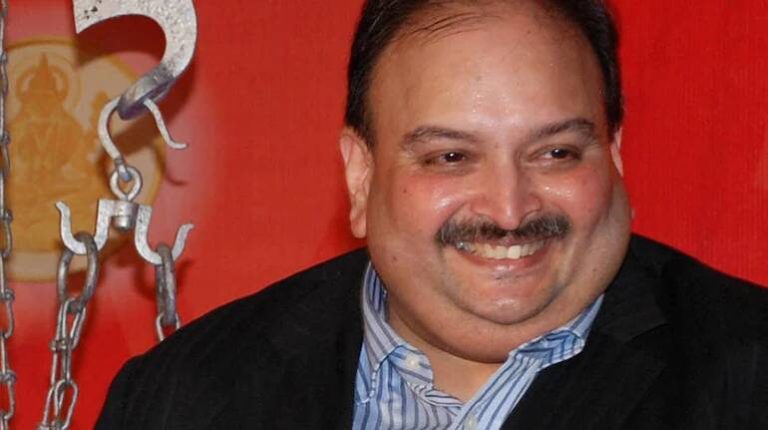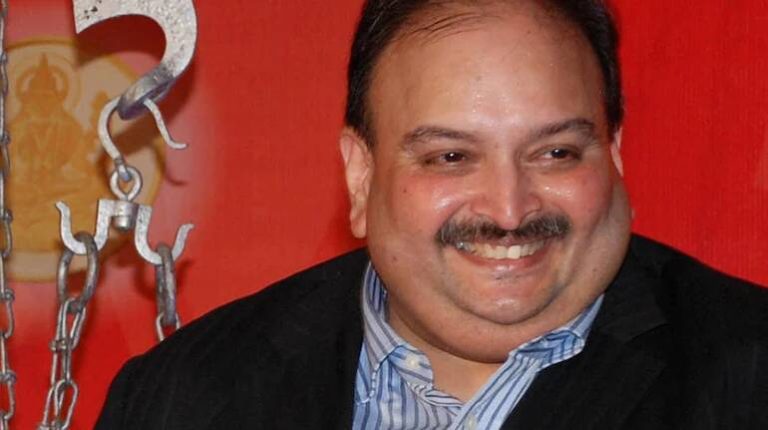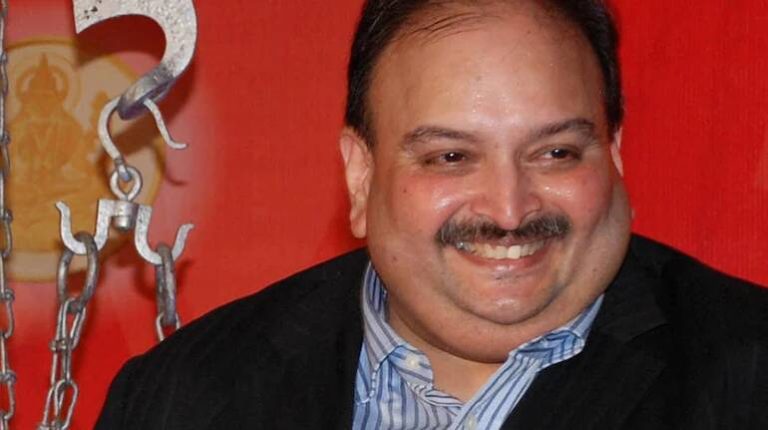
Where’s your father, country waiting to give him red carpet: SC to Choksi’s son
The Supreme Court of India has made a scathing remark in a recent hearing, directing its attention to the son of Mehul Choksi, a fugitive businessman wanted in connection with the Punjab National Bank (PNB) scam. The apex court’s comment came while dismissing a petition filed by Choksi’s son, who was seeking relief against the National Spot Exchange Limited’s (NSEL) decision to include him in a ₹937-crore recovery suit. The court’s observation has sparked widespread interest, with many seeing it as a reflection of the judiciary’s growing impatience with those who have fled the country to avoid facing the law.
The PNB scam, which came to light in 2018, is one of the largest banking frauds in Indian history, with an estimated loss of over ₹13,000 crore. Mehul Choksi, along with his nephew Nirav Modi, is accused of perpetrating the scam, which involved the issuance of fraudulent letters of undertaking (LoUs) to secure loans from overseas banks. The duo fled the country before the scam was discovered, and have since been the subject of extradition proceedings.
The Supreme Court’s remark, “Where’s your respected father nowadays? The country is waiting to give him a red-carpet welcome,” is a clear indication of the judiciary’s frustration with Choksi’s continued absence from the country. The court’s comment is not just a witty remark, but a reflection of the seriousness with which it views the allegations against Choksi. By asking about Choksi’s whereabouts, the court is highlighting the fact that the fugitive businessman has been able to avoid facing the law for far too long.
The petition filed by Choksi’s son was an attempt to distance himself from his father’s alleged wrongdoing. However, the court’s decision to dismiss the petition suggests that it is not willing to entertain such attempts, at least not until Choksi himself returns to face the law. The court’s observation is also a warning to others who may be contemplating fleeing the country to avoid facing the consequences of their actions.
The PNB scam has had far-reaching consequences, not just for the banking sector, but also for the Indian economy as a whole. The scam has led to a significant increase in non-performing assets (NPAs) in the banking sector, which has had a ripple effect on the entire economy. The government has been working to recover the losses, but the process has been slow, and the absence of the main accused has not helped.
The Supreme Court’s remark is also a reflection of the growing public sentiment against those who have fled the country to avoid facing the law. There is a growing perception that the rich and powerful are able to escape the law, while the common man is left to face the consequences of their actions. The court’s comment is a clear message that this perception will not be tolerated, and that those who have fled the country will be brought to justice.
In recent years, the Indian government has been working to strengthen its laws and procedures to prevent fugitive economic offenders from escaping the country. The Fugitive Economic Offenders Act, 2018, is one such law, which allows the government to confiscate the assets of fugitive economic offenders. The law is aimed at preventing economic offenders from fleeing the country and escaping the law.
The Supreme Court’s remark is a clear indication that the judiciary is committed to upholding the law and ensuring that those who have committed economic offenses are brought to justice. The court’s comment is also a warning to others who may be contemplating fleeing the country to avoid facing the law. The message is clear: the country is waiting to give them a red-carpet welcome, but it will be a welcome to face the law, not to escape it.
In conclusion, the Supreme Court’s remark is a significant development in the PNB scam case, and a clear indication of the judiciary’s commitment to upholding the law. The court’s comment is a reflection of the growing public sentiment against those who have fled the country to avoid facing the law, and a warning to others who may be contemplating similar actions. As the country waits for Mehul Choksi to return and face the law, the Supreme Court’s remark is a reminder that justice will be served, and that no one is above the law.
About the Author