West Antarctic ice melt could weaken ocean carbon absorption
The West Antarctic Ice Sheet has been a subject of concern for climate scientists in recent years, as its melting has been accelerating at an alarming rate. A new study has revealed that this melting could have a profound impact on the Southern Ocean’s ability to absorb carbon dioxide, a crucial process that helps regulate the Earth’s climate. The findings suggest that the ice melt could weaken the ocean’s carbon absorption capacity, creating a feedback loop that could make it even harder to slow down climate change.
The Southern Ocean, which surrounds Antarctica, plays a critical role in the global carbon cycle. It absorbs approximately 40% of the carbon dioxide released into the atmosphere, making it a vital component in the fight against climate change. However, the melting of the West Antarctic Ice Sheet could disrupt this process, limiting the ocean’s ability to absorb carbon dioxide.
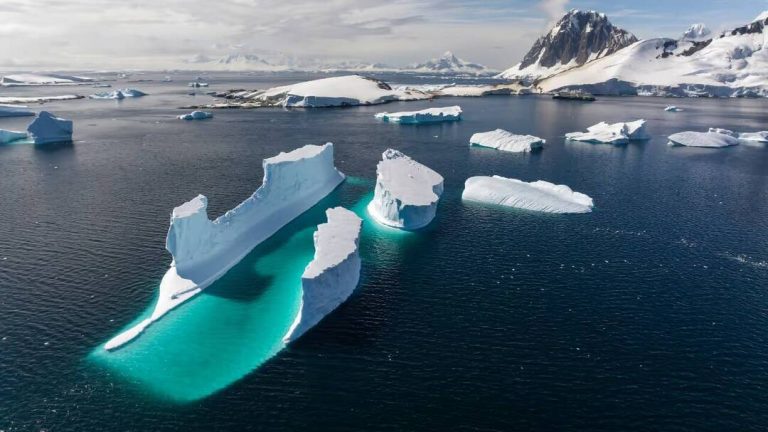
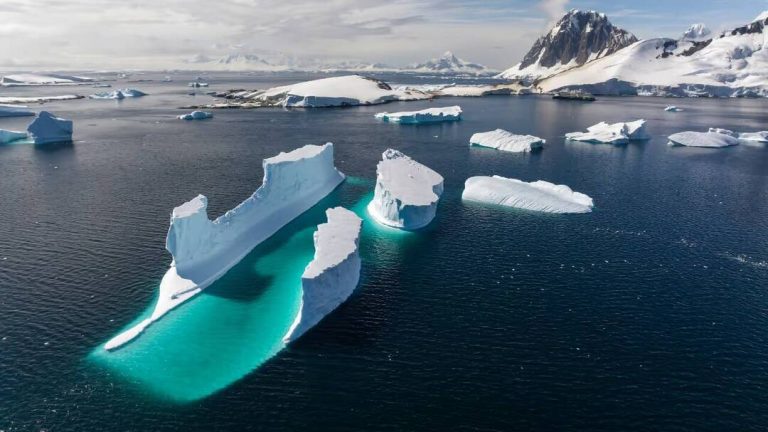
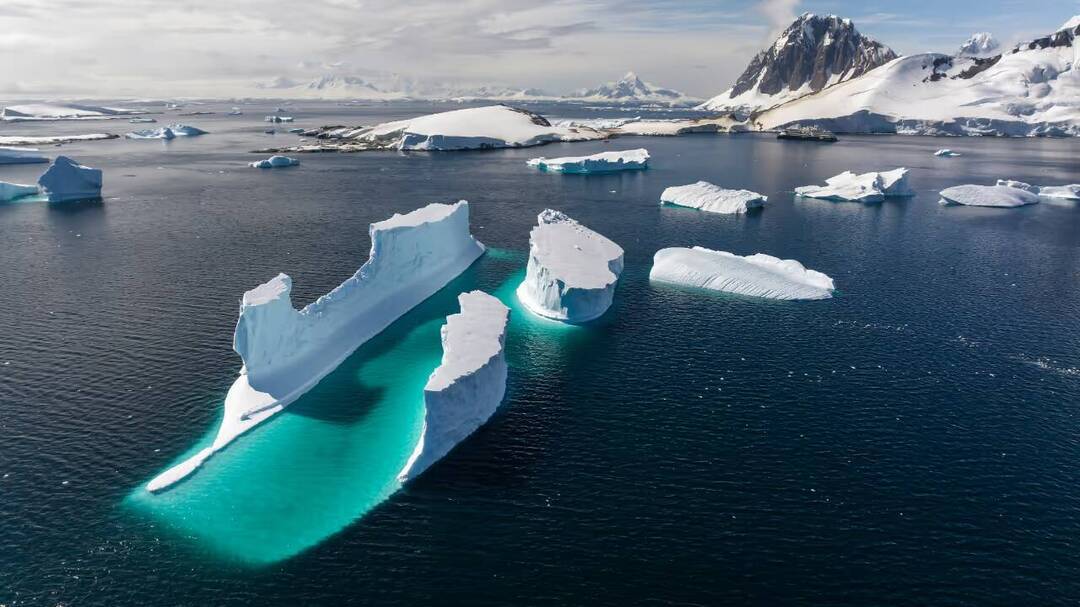
The reason behind this disruption lies in the iron released by icebergs into the ocean. Iron is a essential nutrient for algae, which are the primary organisms responsible for absorbing carbon dioxide through photosynthesis. However, much of the iron released by icebergs is in a form that is unusable by algae, limiting the ocean’s carbon capture capabilities.
When icebergs melt, they release iron into the ocean, which can stimulate the growth of algae. However, the iron is often in the form of iron oxide, which is not readily available to algae. As a result, the algae are unable to utilize the iron to absorb carbon dioxide, reducing the ocean’s overall carbon absorption capacity.
The sensitivity of the West Antarctic Ice Sheet to past warming events is a cause for concern. During the last interglacial period, which occurred around 125,000 years ago, the ice sheet melted significantly, causing sea levels to rise by several meters. This event was triggered by a relatively small increase in global temperatures, highlighting the ice sheet’s vulnerability to climate change.
The implications of this study are far-reaching. If the West Antarctic Ice Sheet continues to melt at its current rate, it could create a feedback loop that accelerates climate change. As the ice sheet melts, it will release more iron into the ocean, but much of it will be unusable by algae. This will limit the ocean’s ability to absorb carbon dioxide, allowing more of the greenhouse gas to remain in the atmosphere, where it will contribute to further warming.
This feedback loop could have devastating consequences. As the planet continues to warm, the ice sheet will melt at an even faster rate, releasing more iron into the ocean. However, the algae will be unable to utilize this iron, reducing the ocean’s carbon absorption capacity. This will create a self-reinforcing cycle, where the melting of the ice sheet accelerates climate change, which in turn accelerates the melting of the ice sheet.
The study’s findings are a stark reminder of the urgent need to address climate change. The West Antarctic Ice Sheet is just one of many tipping points in the Earth’s climate system, and its melting could have far-reaching consequences for the planet. As the world continues to warm, it is essential that we take immediate action to reduce our carbon emissions and slow down climate change.
In conclusion, the melting of the West Antarctic Ice Sheet could have a profound impact on the Southern Ocean’s ability to absorb carbon dioxide. The iron released by icebergs may not be usable by algae, limiting the ocean’s carbon capture capabilities. The sensitivity of the ice sheet to past warming events is a cause for concern, and the potential feedback loop that could be created is a stark reminder of the urgent need to address climate change.
As we move forward, it is essential that we continue to monitor the West Antarctic Ice Sheet and the Southern Ocean’s carbon absorption capacity. By understanding the complex interactions between the ice sheet, the ocean, and the atmosphere, we can better predict the consequences of climate change and take action to mitigate its effects.
About the Author