West Antarctic ice melt could weaken ocean carbon absorption
The West Antarctic Ice Sheet has been a topic of concern for climate scientists in recent years, and a new study has shed light on the potential consequences of its melting. According to researchers, the melting of the West Antarctic Ice Sheet could weaken the Southern Ocean’s ability to absorb carbon dioxide, a critical component in the fight against climate change. This finding has significant implications for our understanding of the complex relationships between the Earth’s oceans, atmosphere, and ice sheets.
The Southern Ocean, which surrounds Antarctica, plays a crucial role in absorbing carbon dioxide from the atmosphere. This process, known as carbon sequestration, helps to mitigate the effects of climate change by reducing the amount of greenhouse gases in the atmosphere. However, the melting of the West Antarctic Ice Sheet could disrupt this process, leading to a decrease in the ocean’s ability to absorb carbon dioxide.
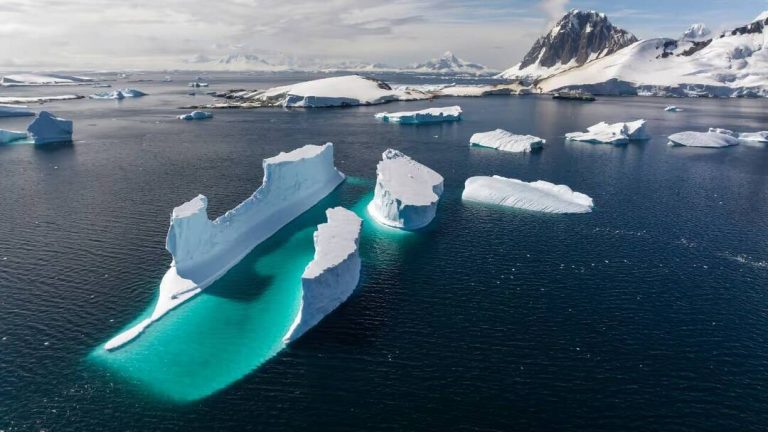
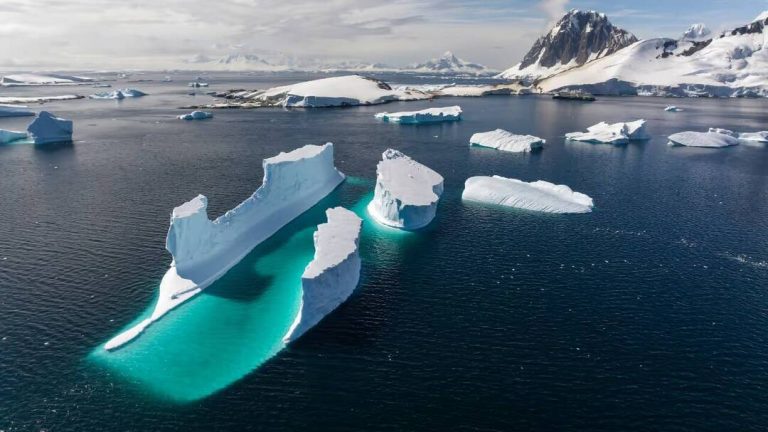
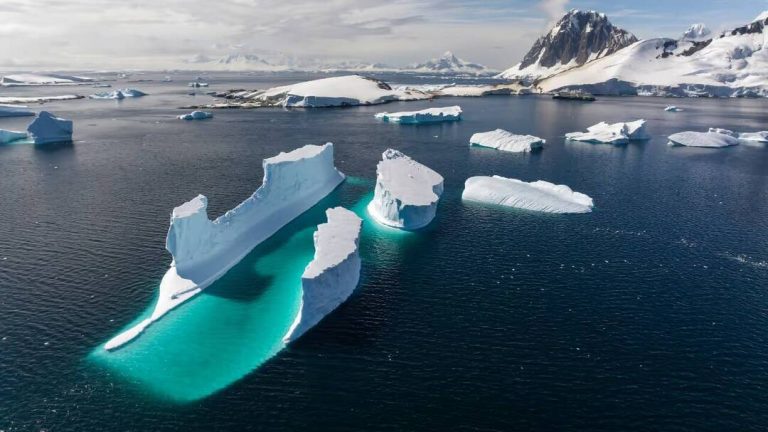
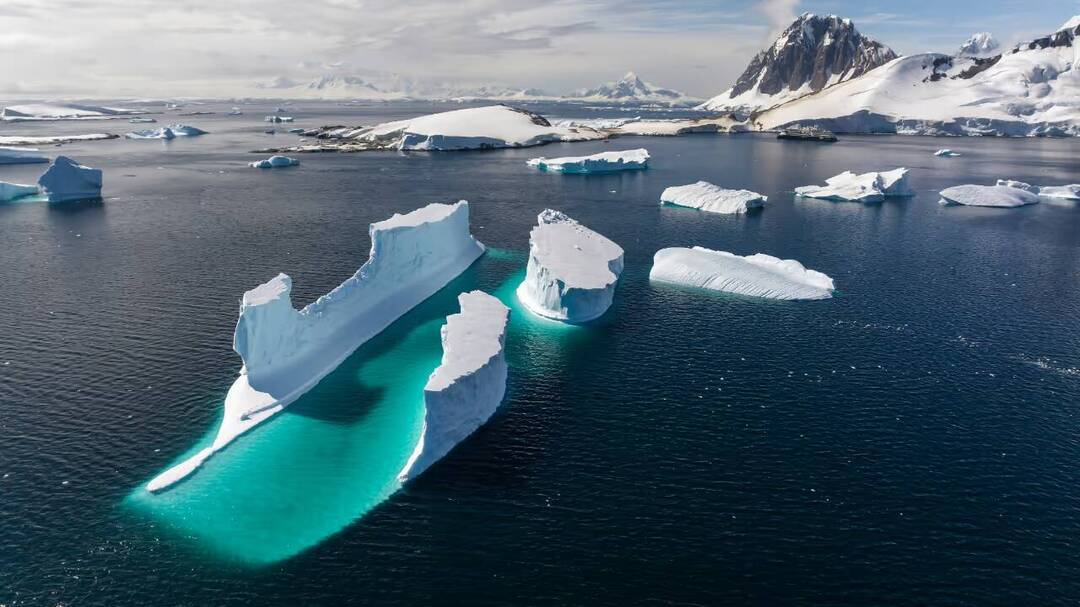
One of the key factors in this process is the release of iron into the ocean by melting icebergs. Iron is a essential nutrient for algae, which are responsible for absorbing carbon dioxide through photosynthesis. However, the iron released by icebergs is often in a form that is unusable by algae, limiting the ocean’s ability to capture carbon. This means that even though the melting ice sheet may release more iron into the ocean, it may not necessarily lead to an increase in carbon sequestration.
To understand the potential consequences of West Antarctic ice melt, scientists have looked to the past for clues. During the last deglaciation, which occurred around 12,000 years ago, the Earth experienced a significant warming event that led to the melting of large ice sheets. This warming event had a profound impact on the West Antarctic Ice Sheet, which was much more sensitive to temperature changes than previously thought.
The study of past warming events suggests that the West Antarctic Ice Sheet is highly sensitive to changes in temperature, and that even small increases in temperature can lead to significant melting. This sensitivity is cause for concern, as it suggests that future melting of the ice sheet could create a feedback loop, where the melting of the ice sheet leads to a decrease in the ocean’s ability to absorb carbon dioxide, which in turn leads to more warming and more melting.
This feedback loop would make it even harder to slow down climate change, as the Earth’s natural systems would be working against us. The consequences of such a scenario would be severe, with rising sea levels, more extreme weather events, and disruptions to global food systems.
The implications of this study are clear: the melting of the West Antarctic Ice Sheet is not just a concern for polar bears and penguins, but for the entire planet. The Southern Ocean’s ability to absorb carbon dioxide is a critical component in the fight against climate change, and any disruption to this process could have far-reaching consequences.
As the world continues to grapple with the challenges of climate change, it is essential that we take a comprehensive approach to addressing this issue. This includes reducing our greenhouse gas emissions, investing in renewable energy, and protecting the Earth’s natural systems. The melting of the West Antarctic Ice Sheet is a stark reminder of the urgency of this issue, and the need for immediate action to mitigate the effects of climate change.
In conclusion, the melting of the West Antarctic Ice Sheet could have significant consequences for the Earth’s ability to absorb carbon dioxide. The release of iron into the ocean by melting icebergs may not necessarily lead to an increase in carbon sequestration, and the sensitivity of the ice sheet to temperature changes suggests that future melting could create a feedback loop, making climate change harder to slow. As we move forward, it is essential that we take a comprehensive approach to addressing climate change, and that we prioritize the protection of the Earth’s natural systems.
About the Author