Where’s your father, country waiting to give him red carpet: SC to Choksi’s son
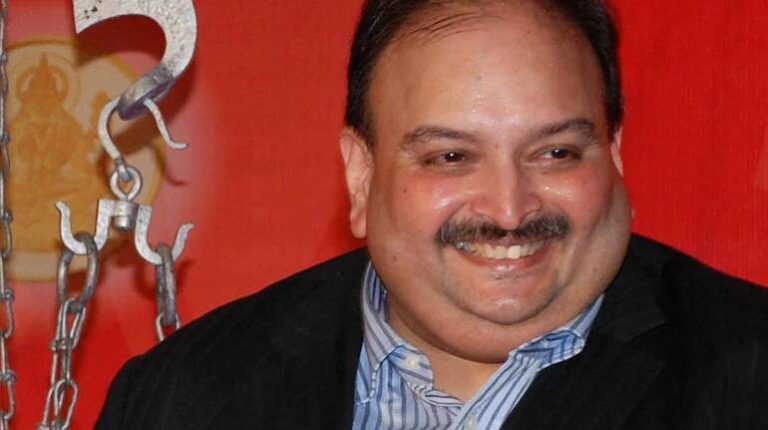
In a scathing remark, the Supreme Court of India has dismissed a petition filed by Mehul Choksi’s son, asking him a poignant question – “Where’s your respected father nowadays? The country is waiting to give him a red-carpet welcome.” The apex court’s comment came in response to a petition filed by Choksi’s son against the National Spot Exchange Limited’s (NSEL) decision to include him in a ₹937-crore recovery suit.
Mehul Choksi, the infamous businessman, is an accused in the Punjab National Bank (PNB) scam and is being pursued for extradition. The PNB scam, which came to light in 2018, is one of the largest banking scams in India’s history, with Choksi and his nephew Nirav Modi accused of defrauding the bank of over ₹14,000 crore. While Modi is currently in the UK, Choksi is believed to be in Antigua and Barbuda, where he has taken citizenship.
The Supreme Court’s remark is a clear indication of the country’s frustration with Choksi’s continued absence and the government’s inability to bring him to justice. The court’s question to Choksi’s son is not just a rhetorical one, but a reflection of the anger and disappointment felt by the Indian public. The fact that Choksi is still at large, despite being accused of one of the largest financial crimes in the country’s history, is a slap in the face of the Indian justice system.
The NSEL recovery suit, which Choksi’s son had petitioned against, is a separate matter, but one that is closely linked to the PNB scam. The NSEL is a commodity exchange that was at the center of a major financial scandal in 2013, with Choksi’s company, Gitanjali Gems, being one of the main defendants. The exchange had alleged that Gitanjali Gems and other companies had defaulted on payments, causing a loss of over ₹5,000 crore to investors.
The Supreme Court’s decision to dismiss Choksi’s son’s petition is a significant one, as it paves the way for the NSEL to proceed with its recovery suit against the company. The court’s remark, however, goes beyond the specific case at hand and is a commentary on the larger issue of economic offenders fleeing the country and evading justice.
The Indian government has been criticized for its handling of economic offenders, with many accusing it of not doing enough to bring them to justice. The case of Mehul Choksi and Nirav Modi is a prime example of this, with both men managing to flee the country despite being accused of serious financial crimes.
The Supreme Court’s remark is a wake-up call for the government to take decisive action against economic offenders and to ensure that they are brought to justice. The fact that Choksi is still at large, despite being accused of a major financial crime, is a reflection of the government’s inability to effectively pursue and prosecute economic offenders.
In conclusion, the Supreme Court’s remark to Choksi’s son is a scathing indictment of the Indian justice system’s inability to bring economic offenders to justice. The fact that Mehul Choksi is still at large, despite being accused of a major financial crime, is a slap in the face of the Indian public. The government must take decisive action to bring Choksi and other economic offenders to justice, and to ensure that they are held accountable for their crimes. Only then can the country begin to rebuild trust in its justice system and ensure that those who commit financial crimes are punished accordingly.
About the Author