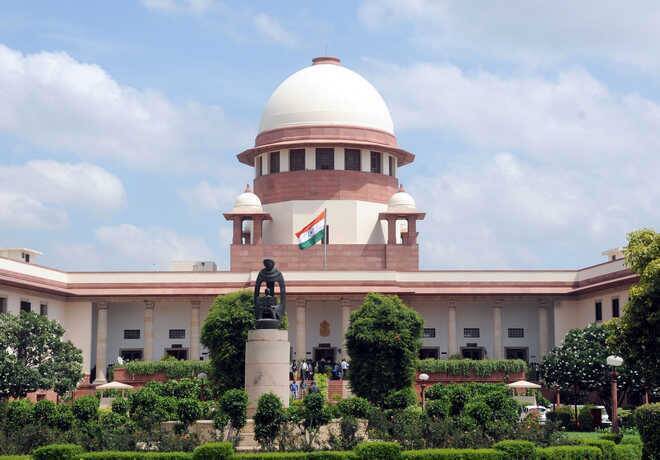
Pay 25% of pending DA to 20 lakh govt employees by March 31: SC to WB govt
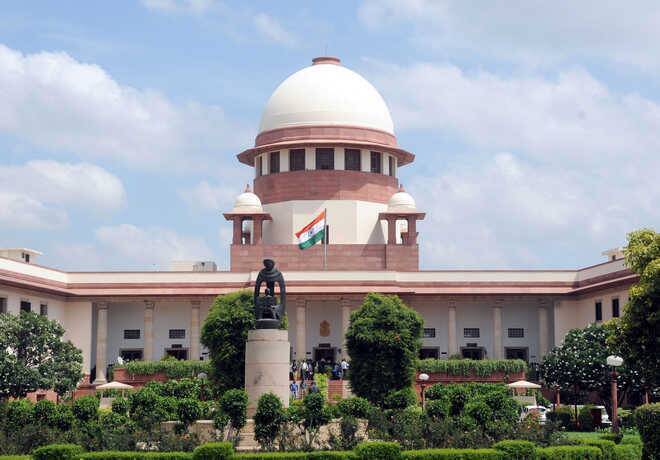
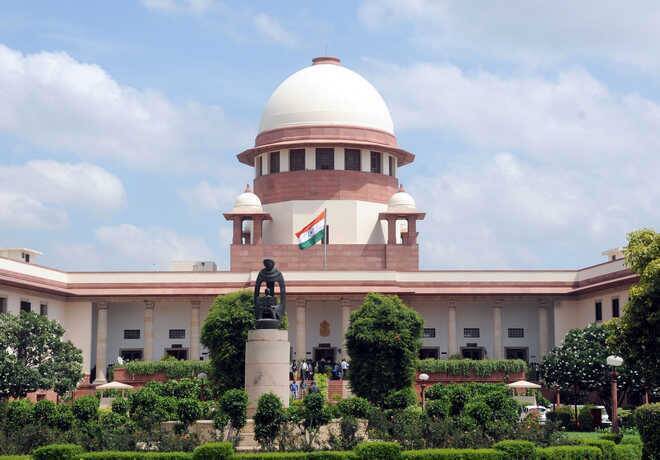
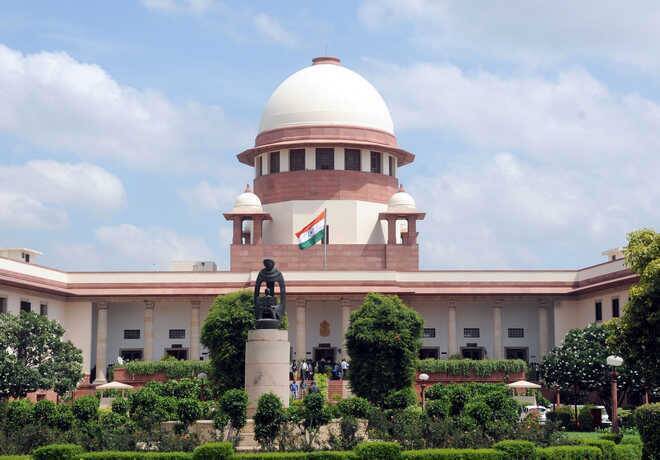
In a significant decision, the Supreme Court of India has directed the West Bengal government to pay 25% of the pending Dearness Allowance (DA) to nearly 20 lakh state government employees by March 31. The court’s order comes as a relief to the employees who have been waiting for the payment of their dues for over a decade. The DA, which is a component of the salary that is adjusted for inflation, has been pending since 2008.
The Supreme Court’s decision is a result of a long-standing dispute between the West Bengal government and its employees over the payment of DA. The employees had been demanding the payment of their dues, which had been pending for over 11 years. The West Bengal government had been delaying the payment, citing financial constraints.
The court’s order is not only a victory for the employees but also a reminder to the state government of its obligations towards its staff. The payment of DA is a statutory requirement, and the government’s failure to pay it on time has caused significant hardship to the employees.
The Supreme Court has also set up a high-level committee led by former Supreme Court judge Justice Indu Malhotra to calculate the exact arrears and fix a practical payment schedule. The committee will submit its report to the court, which will then decide on the further course of action.
The West Bengal government has been ordered to pay the first installment of 25% of the pending DA by March 31. The remaining amount will be paid in installments, with the exact schedule to be determined by the committee.
The decision is expected to have a significant impact on the state’s finances, with the government having to shell out a substantial amount to pay the pending DA. However, the court’s order is clear, and the government will have to comply with it.
The payment of DA is a critical component of the salary of government employees, and its delay can cause significant hardship. The Supreme Court’s decision is a reminder that the government’s obligations towards its staff cannot be taken lightly.
The West Bengal government has been facing significant financial challenges in recent years, with a large deficit and a significant amount of debt. However, the court’s order makes it clear that the government’s financial constraints cannot be used as an excuse to delay the payment of DA.
The decision is also a victory for the employees’ unions, which have been fighting for the payment of DA for over a decade. The unions have been arguing that the delay in payment of DA has caused significant hardship to the employees and that the government’s failure to pay it on time is a breach of its obligations.
The Supreme Court’s decision is a significant development in the long-standing dispute over the payment of DA in West Bengal. The court’s order is clear, and the government will have to comply with it. The payment of 25% of the pending DA by March 31 is a significant step towards resolving the dispute, and the employees can expect to receive their dues soon.
In conclusion, the Supreme Court’s decision to direct the West Bengal government to pay 25% of the pending DA to 20 lakh government employees by March 31 is a significant victory for the employees. The decision is a reminder to the state government of its obligations towards its staff and makes it clear that the government’s financial constraints cannot be used as an excuse to delay the payment of DA. The payment of DA is a critical component of the salary of government employees, and its delay can cause significant hardship. The Supreme Court’s decision is a significant development in the long-standing dispute over the payment of DA in West Bengal, and the employees can expect to receive their dues soon.
About the Author