West Antarctic ice melt could weaken ocean carbon absorption
The West Antarctic Ice Sheet has been a subject of concern for climate scientists in recent years. The ice sheet, which is one of the largest single masses of ice on Earth, has been melting at an alarming rate. This melting has significant implications for sea level rise, but a new study suggests that it could also have a profound impact on the Southern Ocean’s ability to absorb carbon dioxide. In this blog post, we will explore the relationship between the West Antarctic Ice Sheet, icebergs, and ocean carbon absorption, and what this means for our understanding of climate change.
The Southern Ocean, which surrounds Antarctica, plays a critical role in regulating the Earth’s climate. It is responsible for absorbing a significant proportion of the carbon dioxide that is released into the atmosphere, which helps to mitigate the effects of climate change. However, this process is complex and involves a range of factors, including the presence of iron in the ocean. Iron is a essential nutrient for phytoplankton, which are tiny plants that absorb carbon dioxide as they grow. When these plants die, they sink to the ocean floor, taking the carbon with them.
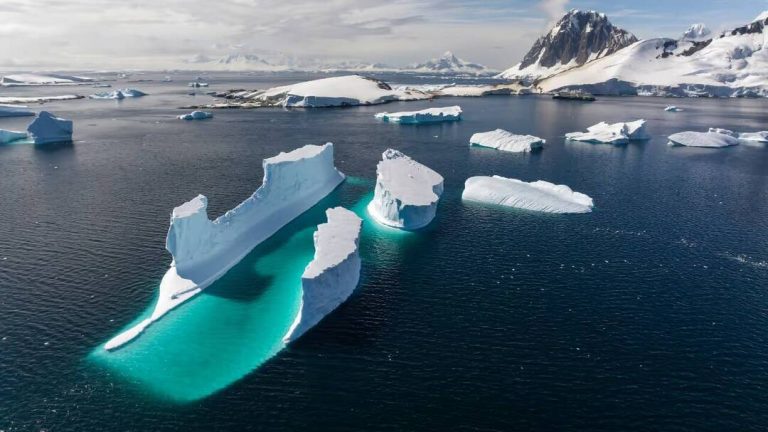
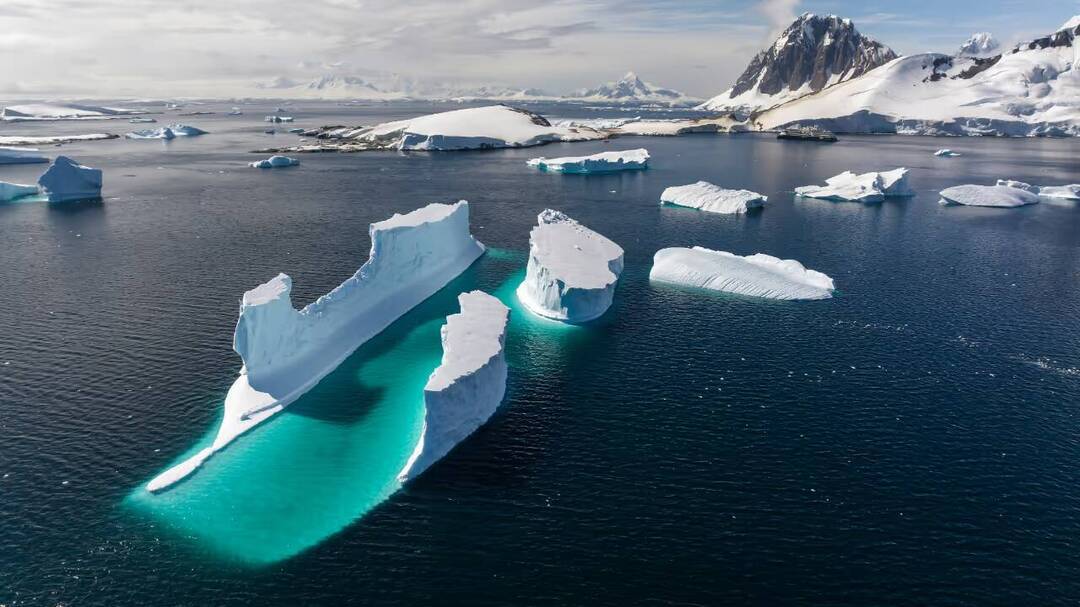
Icebergs, which are formed when chunks of ice break off from the West Antarctic Ice Sheet, can release iron into the ocean as they melt. This iron can stimulate the growth of phytoplankton, which can in turn absorb more carbon dioxide. However, the study suggests that much of the iron released by icebergs is in a form that is unusable by phytoplankton. This means that the potential for icebergs to stimulate carbon absorption is limited, and that the impact of West Antarctic ice melt on ocean carbon absorption may be more nuanced than previously thought.
The study’s findings are based on an analysis of past warming events, which show that the West Antarctic Ice Sheet is highly sensitive to changes in temperature. During these events, the ice sheet has melted rapidly, releasing large amounts of ice into the ocean. This melting has had a significant impact on the Southern Ocean’s ability to absorb carbon dioxide, with the potential to create a feedback loop that makes climate change harder to slow.
A feedback loop occurs when a change in one part of a system triggers a response in another part of the system, which in turn amplifies the original change. In the case of the West Antarctic Ice Sheet, melting of the ice sheet could lead to a reduction in the Southern Ocean’s ability to absorb carbon dioxide. This could lead to an increase in atmospheric carbon dioxide levels, which would in turn accelerate the melting of the ice sheet. This feedback loop could have significant implications for our ability to mitigate climate change, as it suggests that the impacts of ice sheet melting could be far more complex and widespread than previously thought.
The study’s findings have significant implications for our understanding of the Earth’s climate system. They suggest that the West Antarctic Ice Sheet plays a critical role in regulating the Southern Ocean’s ability to absorb carbon dioxide, and that melting of the ice sheet could have far-reaching consequences for the climate. The study also highlights the need for further research into the complex relationships between the ice sheet, the ocean, and the atmosphere, and the potential for feedback loops to amplify the impacts of climate change.
In addition to the scientific implications, the study’s findings also have significant policy implications. They suggest that reducing greenhouse gas emissions and mitigating the impacts of climate change will be even more challenging than previously thought. The potential for a feedback loop to develop between the West Antarctic Ice Sheet and the Southern Ocean’s ability to absorb carbon dioxide means that the window for taking action to reduce emissions may be even smaller than previously thought.
In conclusion, the study’s findings suggest that the melting of the West Antarctic Ice Sheet could have a significant impact on the Southern Ocean’s ability to absorb carbon dioxide. The release of iron from icebergs may not be as effective at stimulating carbon absorption as previously thought, and the potential for a feedback loop to develop between the ice sheet and the ocean could have far-reaching consequences for the climate. As the world continues to grapple with the challenges of climate change, it is essential that we continue to support scientific research into the complex relationships between the ice sheet, the ocean, and the atmosphere.
About the Author