Where’s your father, country waiting to give him red carpet: SC to Choksi’s son
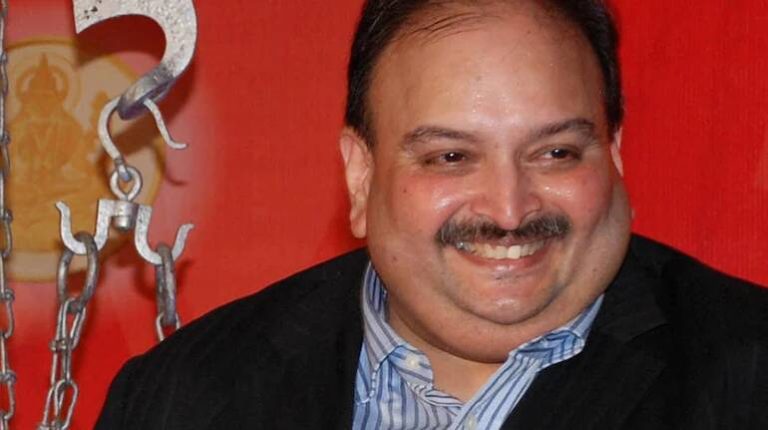
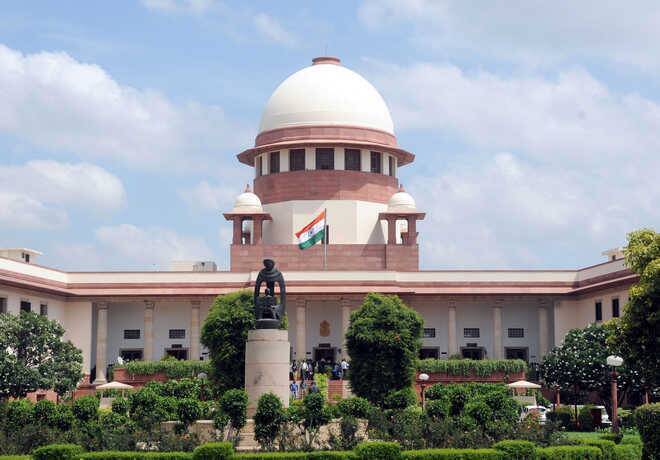
The Supreme Court of India has made a scathing remark in a recent case involving Mehul Choksi, the fugitive businessman accused in the Punjab National Bank (PNB) scam. The court was hearing a petition filed by Choksi’s son, who was seeking to be excluded from a ₹937-crore recovery suit filed by the National Spot Exchange Limited (NSEL). However, the court dismissed the petition, and in a stinging rebuke, asked the son where his “respected father” was hiding.
The PNB scam, which came to light in 2018, involved the fraudulent issuance of letters of undertaking (LoUs) by PNB officials, which allowed Choksi’s companies to obtain loans from overseas banks. The scam is estimated to have caused a loss of over ₹13,000 crore to the bank. Choksi, who is the promoter of Gitanjali Gems, fled the country in January 2018, just before the scam was discovered. He has since been living in Antigua and Barbuda, a Caribbean island nation, where he has taken citizenship.
The NSEL, which is a subsidiary of the Financial Technologies (India) Ltd (FTIL), had filed a recovery suit against Choksi and his companies, seeking to recover ₹937 crore. Choksi’s son had approached the Supreme Court, seeking to be excluded from the suit, arguing that he was not involved in the scam. However, the court was unsympathetic to his plea.
“Where’s your respected father nowadays?” the court asked. “The country is waiting to give him a red-carpet welcome.” The court’s remark was a clear indication of its frustration with Choksi’s continued absence from the country, and its desire to see him face justice.
The court’s decision to dismiss the petition is a significant setback for Choksi’s son, who will now be required to face the recovery suit along with his father. The NSEL has alleged that Choksi and his companies had defaulted on payments, causing a huge loss to the exchange. The company has been trying to recover the dues from Choksi and his companies, but has been unable to do so due to Choksi’s absence from the country.
The PNB scam has been a major embarrassment for the Indian government, which has been trying to extradite Choksi from Antigua and Barbuda. However, the process has been slow, and Choksi has been using various legal tactics to delay his extradition. The Indian government has been trying to persuade the Antiguan government to extradite Choksi, but so far, it has been unsuccessful.
The Supreme Court’s remark is a clear indication of its frustration with Choksi’s continued absence from the country. The court’s desire to see Choksi face justice is shared by the Indian government, which has been trying to bring him back to the country to face trial. The government has accused Choksi of cheating and conspiracy, and has been trying to extradite him to face trial in India.
The case has also highlighted the issue of economic offenders fleeing the country to avoid facing justice. The Indian government has been trying to tackle this issue, and has introduced several measures to prevent economic offenders from fleeing the country. However, the case of Choksi and other fugitive businessmen has shown that more needs to be done to prevent such offenders from escaping justice.
In conclusion, the Supreme Court’s remark in the case of Choksi’s son is a clear indication of its frustration with Choksi’s continued absence from the country. The court’s desire to see Choksi face justice is shared by the Indian government, which has been trying to bring him back to the country to face trial. The case has also highlighted the issue of economic offenders fleeing the country to avoid facing justice, and the need for the government to take stronger measures to prevent such offenders from escaping justice.
About the Author