West Bengal CM Mamata Banerjee writes 26 poems against SIR
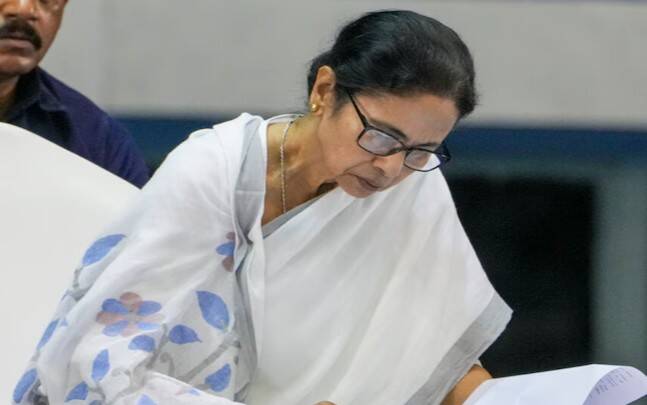
In a unique and creative protest, West Bengal Chief Minister Mamata Banerjee has written 26 poems against the SIR (Silicon Island of Rajasthan) project, a move that reflects her strong opposition to the initiative. The poems, which have been compiled into a book titled ‘SIR: 26 in 26’, are a testament to the pain and resistance of the people affected by the SIR process. The book is dedicated to “those who have lost their lives in this ruinous game,” Banerjee said, highlighting the human cost of the project.
According to Banerjee, she wrote the poems within a few days while travelling between engagements, showcasing her passion and commitment to the cause. The poems are a reflection of the emotions and sentiments of the people of West Bengal, who are fiercely opposed to the SIR project. Through her poetry, Banerjee aims to give voice to the concerns and fears of the people, and to highlight the potential risks and consequences of the project.
The SIR project has been a contentious issue in West Bengal, with many people expressing concerns about its impact on the environment, economy, and social fabric of the state. The project, which aims to establish a silicon hub in Rajasthan, has been touted as a major economic development initiative by the government. However, critics argue that it will lead to displacement of people, destruction of natural habitats, and exacerbate existing social and economic inequalities.
Banerjee’s poetic protest is a significant move, as it highlights the human side of the issue and puts a face to the statistics and data that are often used to justify such projects. By sharing the stories and emotions of the people affected by the SIR process, Banerjee aims to build a stronger connection with the public and to mobilize support for the anti-SIR movement.
The book ‘SIR: 26 in 26’ is a powerful example of how art and literature can be used as a form of protest and resistance. Banerjee’s poems are a testament to the power of words and the impact they can have on people’s lives. Through her poetry, Banerjee is able to convey the complexity and depth of the issue, and to inspire people to take action.
The move is also significant because it shows that Banerjee is not just a politician, but also a creative and empathetic individual who is willing to use her platform to give voice to the marginalized and oppressed. By writing these poems, Banerjee is able to connect with people on a deeper level and to build a sense of solidarity and community.
The SIR project has been the subject of a long-standing legal and political battle, with the West Bengal government opposing the project on the grounds that it will harm the state’s economy and environment. The project has been cleared by the central government, but the state government has refused to give its approval, citing concerns about the project’s impact on the state’s water resources, agriculture, and industry.
Banerjee’s poetic protest is a new dimension to the ongoing battle against the SIR project. By using her poetry to express her opposition to the project, Banerjee is able to reach out to a wider audience and to build a stronger movement against the SIR. The poems are a call to action, urging people to join the movement and to demand that the government listens to their concerns.
In conclusion, West Bengal CM Mamata Banerjee’s decision to write 26 poems against the SIR project is a significant move that highlights the human side of the issue. Through her poetry, Banerjee is able to give voice to the concerns and fears of the people, and to inspire people to take action. The book ‘SIR: 26 in 26’ is a powerful example of how art and literature can be used as a form of protest and resistance, and it is a testament to the power of words to inspire and mobilize people.
The move is also a reflection of Banerjee’s commitment to the people of West Bengal and her willingness to use her platform to give voice to the marginalized and oppressed. As the battle against the SIR project continues, Banerjee’s poetic protest is a significant addition to the movement, and it is likely to inspire more people to join the fight against the project.
About the Author