Deepinder Goyal Publicly Invites Former Zomato Employees to Rejoin the Company
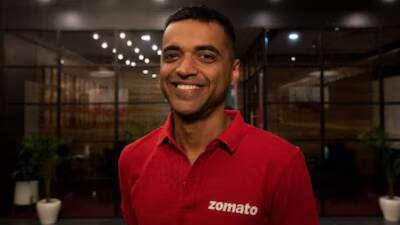
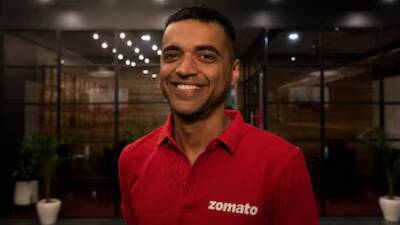
In a surprising move, Deepinder Goyal, the founder of Zomato, has publicly invited former employees to rejoin the company. This invitation comes as a pleasant surprise to many, especially considering the competitive and often cutthroat nature of the startup world. Goyal’s heartfelt invitation was extended via a post on X, where he expressed his desire to reunite with former team members who may have left the company due to various reasons.
Goyal’s post began with a acknowledgment of the past, where he admitted that Zomato may not have had the ideal environment or leadership that many employees needed at the time. He wrote, “I know that for many of you, Zomato didn’t have the environment…or…leadership you needed at the time.” This statement showcases Goyal’s willingness to confront the company’s past shortcomings and take responsibility for them. By doing so, he is extending an olive branch to former employees, acknowledging that the company may not have been the best fit for them in the past.
The Zomato founder then went on to address a common concern that may have prevented former employees from reconsidering their decision to leave. He stated, “If you haven’t reached out because you think the door is closed…or because you think I’m holding onto…past, I’m not.” This statement is significant, as it assures former employees that they will not be judged or held back due to past circumstances. Goyal’s message is clear: he is open to giving former employees a second chance, and he wants them to know that the door is still open for them to return.
Goyal’s invitation is not just a casual ask; it’s a sincere plea to former employees to reconsider their decision to leave. He ended his post with a simple yet powerful statement: “I want you back.” These three words convey a sense of longing and belonging, emphasizing that Zomato values its former employees and wants them to be a part of the company’s journey once again.
This move by Goyal is not only a testament to his leadership but also a reflection of Zomato’s growth and maturity as a company. By acknowledging past mistakes and inviting former employees to return, Zomato is demonstrating its commitment to creating a positive and inclusive work environment. This approach can have a significant impact on the company’s culture, as it shows that Zomato values its employees and is willing to learn from its mistakes.
The invitation also highlights the importance of second chances in the professional world. Often, employees leave companies due to circumstances that may not be entirely their fault. By giving former employees a second chance, Zomato is recognizing that people grow, learn, and evolve over time. This approach can lead to a more diverse and experienced workforce, as former employees bring new skills and perspectives to the table.
Goyal’s public invitation has sparked a mix of reactions on social media, with many praising his leadership and willingness to confront the past. Some have even called this move a “bold step” towards creating a more positive and inclusive work culture. While others have raised questions about the company’s motivations and the potential impact on current employees.
Regardless of the motivations behind Goyal’s invitation, one thing is clear: Zomato is committed to growth, learning, and improvement. By inviting former employees to return, the company is taking a significant step towards creating a more dynamic and diverse workforce. As the startup ecosystem continues to evolve, it will be interesting to see how Zomato’s approach to second chances and employee retention plays out.
In conclusion, Deepinder Goyal’s public invitation to former Zomato employees is a significant move that showcases the company’s commitment to growth, learning, and improvement. By acknowledging past mistakes and extending a second chance to former employees, Zomato is demonstrating its willingness to create a positive and inclusive work environment. As the company continues to navigate the competitive startup landscape, it will be exciting to see how this approach impacts its culture and success.
About the Author