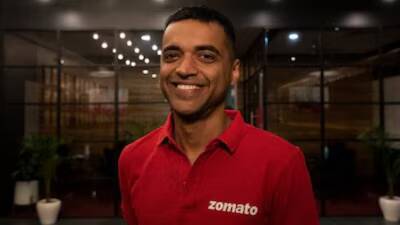
Deepinder Goyal publicly invites former Zomato employees to rejoin the company
In a surprising move, Deepinder Goyal, the founder of Zomato, has publicly invited former employees to rejoin the company. This invitation comes as a pleasant surprise to many, especially considering the current job market and the challenges that companies are facing in terms of talent acquisition and retention. Goyal’s invitation is not only a testament to the company’s commitment to its employees but also a reflection of the changing dynamics of the workforce.
In a post on X, Goyal wrote, “I know that for many of you, Zomato didn’t have the environment…or…leadership you needed at the time.” This statement acknowledges that the company may not have been the best fit for some of its former employees, and that’s okay. However, what’s remarkable is that Goyal is now extending an olive branch to those who may have left the company in search of better opportunities.
Goyal’s message is clear: the door is not closed, and former employees are welcome to return. “If you haven’t reached out because you think the door is closed…or because you think I’m holding onto…past, I’m not. I want you back,” he wrote. This statement is not only a testament to Goyal’s leadership but also a reflection of the company’s values and culture.
So, what could be the reasons behind Goyal’s invitation? One possible reason is that Zomato is looking to tap into the talent and experience of its former employees. The company has grown significantly over the years, and it’s possible that it needs people with the right skills and expertise to take it to the next level. By inviting former employees to rejoin, Zomato can leverage their knowledge and experience to drive growth and innovation.
Another reason could be that Goyal is looking to change the narrative around Zomato’s work culture. In the past, there have been reports of high employee turnover rates and concerns around the company’s leadership. By inviting former employees to return, Goyal may be trying to send a signal that the company has changed and is now a better place to work.
Goyal’s invitation is also a reflection of the changing dynamics of the workforce. With the rise of remote work and the gig economy, employees are no longer tied to a single company for their entire career. They are free to move around, explore new opportunities, and pursue their passions. By acknowledging this reality and inviting former employees to return, Zomato is demonstrating its adaptability and willingness to evolve with the times.
The implications of Goyal’s invitation are significant. For one, it sets a precedent for other companies to follow. In an era where talent acquisition and retention are becoming increasingly challenging, companies may need to think outside the box and explore new ways to attract and retain top talent. By inviting former employees to return, companies can tap into a pool of experienced and skilled workers who already know the company culture and values.
Moreover, Goyal’s invitation is a reminder that the relationship between a company and its employees is not always a one-way street. While companies often focus on attracting new talent, they may be neglecting the wealth of experience and knowledge that former employees can bring to the table. By inviting former employees to return, companies can create a win-win situation where both parties benefit.
In conclusion, Deepinder Goyal’s invitation to former Zomato employees to rejoin the company is a significant move that reflects the changing dynamics of the workforce. By acknowledging the company’s past shortcomings and extending an olive branch to former employees, Goyal is demonstrating his commitment to creating a positive and inclusive work culture. As the job market continues to evolve, it will be interesting to see how other companies respond to this challenge and whether they will follow Zomato’s lead in inviting former employees to return.
About the Author