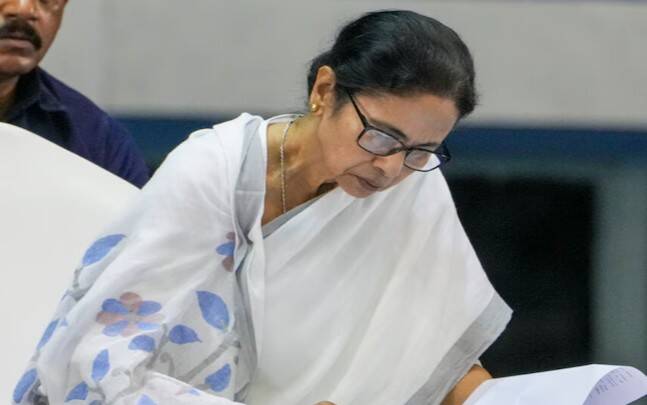
West Bengal CM Mamata Banerjee writes 26 poems against SIR
In a unique and creative expression of protest, West Bengal Chief Minister Mamata Banerjee has penned 26 poems against the SIR (Silicon Island of Rajasthan) project, a proposed hub for IT and electronics companies in the state. The poems, compiled in a book titled ‘SIR: 26 in 26’, reflect the pain and resistance of people affected by the process, Banerjee said. The book is dedicated to “those who have lost their lives in this ruinous game,” she added, highlighting the human cost of the project.
The move comes amid a heated legal and political battle over the SIR project, which has been a contentious issue in West Bengal. Banerjee, known for her fierce opposition to the project, has been vocal about its potential impact on the environment, local communities, and the state’s economy. By expressing her concerns through poetry, she has added a new dimension to the debate, one that highlights the emotional and personal toll of the project on those affected.
According to Banerjee, she wrote the 26 poems within a few days while travelling between engagements. This feat is a testament to her creativity and dedication to the cause. The poems, which are yet to be made public, are expected to offer a glimpse into the struggles and aspirations of the people of West Bengal, who are fighting against the SIR project.
The SIR project has been a point of contention in West Bengal, with the state government and local communities opposing it on various grounds. The project, which aims to establish a hub for IT and electronics companies, has been criticized for its potential environmental impact, displacement of local communities, and lack of transparency in the decision-making process.
Banerjee’s poetic protest is a significant development in the ongoing battle against the SIR project. By using poetry as a medium of expression, she has tapped into the emotional and cultural resonance of the issue, highlighting the human stories behind the headlines. The move is also seen as a clever political strategy, as it allows Banerjee to connect with her constituents on a deeper level and mobilize public opinion against the project.
The book, ‘SIR: 26 in 26’, is a powerful symbol of resistance against the SIR project. By dedicating it to “those who have lost their lives in this ruinous game,” Banerjee has paid tribute to the victims of the project and underscored the need for accountability. The poems, which are expected to be published soon, will likely offer a poignant and thought-provoking perspective on the issue, one that will resonate with readers and inspire them to take action.
The use of poetry as a form of protest is not new, but it is certainly innovative in the context of Indian politics. Banerjee’s move has been seen as a bold and creative way to express her opposition to the SIR project, one that transcends the usual boundaries of political discourse. By tapping into the power of poetry, she has added a new dimension to the debate, one that highlights the emotional and personal aspects of the issue.
In conclusion, West Bengal CM Mamata Banerjee’s decision to write 26 poems against the SIR project is a significant development in the ongoing battle against the project. By using poetry as a medium of expression, she has highlighted the human stories behind the headlines and tapped into the emotional and cultural resonance of the issue. The book, ‘SIR: 26 in 26’, is a powerful symbol of resistance against the project, and its publication is eagerly awaited. As the debate over the SIR project continues, Banerjee’s poetic protest is a reminder of the importance of creative and innovative forms of expression in politics.
About the Author