West Bengal CM Mamata Banerjee writes 26 poems against SIR
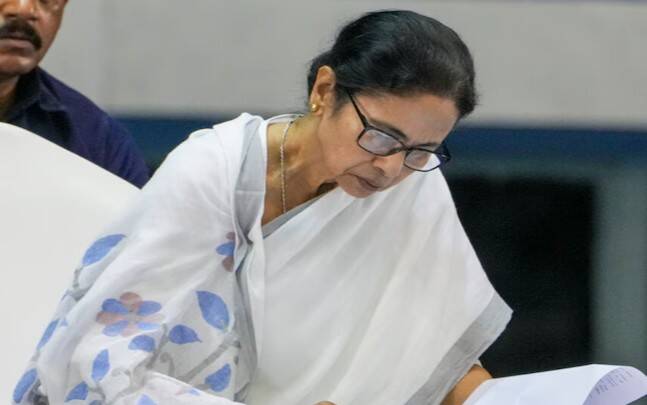
In a unique and creative expression of resistance, West Bengal Chief Minister Mamata Banerjee has penned 26 poems against the SIR (Sagarmala Initiative and Related Projects) initiative. The poems, which reflect the pain and struggles of people affected by the project, have been compiled into a book titled ‘SIR: 26 in 26’. This literary endeavor is a testament to Banerjee’s commitment to standing up for the rights of her people and her determination to fight against the perceived injustices of the SIR project.
The SIR initiative, aimed at promoting economic growth and development through infrastructure expansion, has been a contentious issue in West Bengal. While proponents of the project argue that it will bring in new investments and create jobs, opponents, including Banerjee, claim that it will displace thousands of people, destroy the environment, and undermine the state’s autonomy. The West Bengal government has been locked in a legal and political battle with the central government over the project, with Banerjee vowing to protect the interests of her state and its people.
The book of poems, ‘SIR: 26 in 26’, is a poignant expression of the human cost of the SIR project. Banerjee has dedicated the book to “those who have lost their lives in this ruinous game,” a reference to the many people who have been affected by the project. The poems, written over a few days while Banerjee was traveling between engagements, are a testament to her passion and creativity. They offer a glimpse into the emotional toll of the SIR project on the people of West Bengal and the determination of the Chief Minister to fight for their rights.
Through her poems, Banerjee conveys the sense of loss, displacement, and despair that the SIR project has inflicted on the people of West Bengal. She writes about the destruction of homes, the displacement of communities, and the erosion of livelihoods. The poems are a powerful indictment of the project and a call to action for those who care about the welfare of the people and the environment.
The release of ‘SIR: 26 in 26’ has sparked a wave of interest and debate in literary and political circles. Many have praised Banerjee’s creativity and courage in using poetry as a form of protest. Others have criticized the move as a publicity stunt, arguing that it detracts from the real issues at stake. However, for Banerjee and her supporters, the poems are a genuine expression of the pain and resistance of the people of West Bengal.
The SIR project has been a major point of contention between the West Bengal government and the central government. The state government has argued that the project will have devastating environmental and social consequences, while the central government has maintained that it is necessary for economic growth and development. The dispute has led to a series of protests, demonstrations, and court battles, with no clear resolution in sight.
In this context, Banerjee’s poems offer a unique perspective on the SIR project and its impact on the people of West Bengal. They humanize the issue, putting a face to the statistics and the abstract concepts. The poems remind us that the SIR project is not just a policy initiative, but a lived experience that affects real people and communities.
The release of ‘SIR: 26 in 26’ has also sparked a broader conversation about the role of art and literature in politics. Can poetry be an effective form of protest? Can it inspire social change and mobilize public opinion? Banerjee’s experiment with poetry as a form of resistance raises important questions about the intersection of art and politics.
In conclusion, West Bengal CM Mamata Banerjee’s decision to write 26 poems against the SIR project is a bold and creative move. The poems, compiled into the book ‘SIR: 26 in 26’, offer a powerful expression of the pain and resistance of the people of West Bengal. They are a testament to Banerjee’s commitment to standing up for the rights of her people and her determination to fight against the perceived injustices of the SIR project. As the debate over the SIR project continues, Banerjee’s poems will remain a powerful reminder of the human cost of the project and the need for a more nuanced and empathetic approach to development.
About the Author