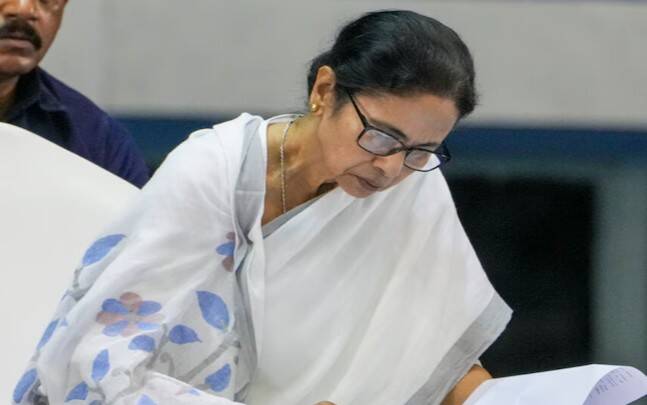
West Bengal CM Mamata Banerjee writes 26 poems against SIR
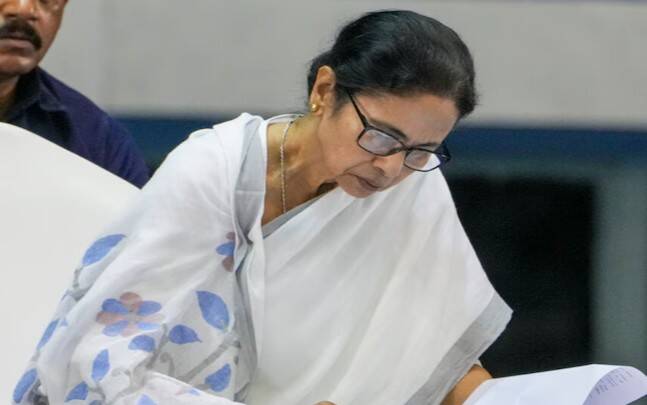
In a unique display of creativity and protest, West Bengal Chief Minister Mamata Banerjee has penned 26 poems against the SIR (Sagarmala Initiative and Railway) project, a move that reflects her continued opposition to the initiative. The poems, compiled in a book titled ‘SIR: 26 in 26’, are a testament to the pain and resistance of the people affected by the SIR process. Banerjee, known for her fiery personality and unwavering dedication to her causes, has dedicated the book to “those who have lost their lives in this ruinous game.”
According to Banerjee, the poems were written within a few days while she was travelling between engagements, showcasing her ability to multitask and channel her emotions into creative expression. The fact that she was able to produce 26 poems in such a short span of time is a testament to her passion and commitment to the cause. The poems are a powerful expression of the struggles and hardships faced by the people affected by the SIR project, and they serve as a reminder of the human cost of such initiatives.
The SIR project has been a contentious issue in West Bengal, with many opposing it due to concerns over land acquisition, displacement of people, and environmental degradation. Banerjee has been at the forefront of the opposition, using her platform as Chief Minister to raise awareness about the issues and to mobilize public support against the project. The poems are a natural extension of her efforts, using the power of art and literature to convey the emotions and sentiments of the people affected.
The book, ‘SIR: 26 in 26’, is a significant contribution to the ongoing debate over the SIR project. By using poetry as a medium, Banerjee is able to connect with people on a deeper level, transcending the boundaries of politics and bureaucracy. The poems are a call to action, urging people to come together and resist the SIR project, which she believes is a threat to the very fabric of West Bengal’s society and environment.
Banerjee’s poetic protest is not just a personal expression of her feelings but also a reflection of the widespread discontent and anger among the people of West Bengal. The SIR project has been marred by controversy, with many alleging that it is a thinly veiled attempt to dispossess people of their land and resources. The project has also been criticized for its lack of transparency and accountability, with many questioning the true motives behind it.
The legal and political battle over the SIR project is far from over, with the West Bengal government locked in a fierce struggle with the central government over the initiative. Banerjee’s poems are a significant contribution to this battle, using the power of art and literature to challenge the dominant narrative and to give voice to the marginalized and oppressed. By dedicating the book to those who have lost their lives in the struggle, Banerjee is also highlighting the human cost of the SIR project and the need for urgent action to address the concerns of the people.
In conclusion, West Bengal CM Mamata Banerjee’s 26 poems against SIR are a powerful expression of the pain and resistance of the people affected by the project. The poems, compiled in the book ‘SIR: 26 in 26’, are a testament to Banerjee’s creativity and commitment to the cause. By using poetry as a medium, she is able to connect with people on a deeper level, transcending the boundaries of politics and bureaucracy. The poems are a call to action, urging people to come together and resist the SIR project, which she believes is a threat to the very fabric of West Bengal’s society and environment.
As the legal and political battle over the SIR project continues, Banerjee’s poems will serve as a reminder of the human cost of the initiative and the need for urgent action to address the concerns of the people. The book, ‘SIR: 26 in 26’, is a significant contribution to the ongoing debate over the SIR project, and it will undoubtedly inspire and motivate people to join the struggle against the initiative.
About the Author