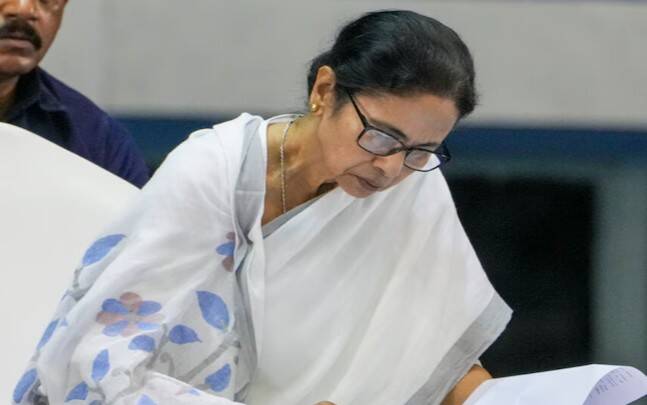
West Bengal CM Mamata Banerjee writes 26 poems against SIR
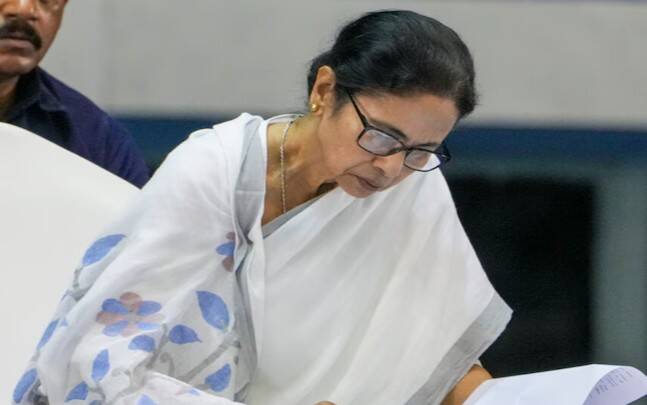
In a unique and creative expression of protest, West Bengal Chief Minister Mamata Banerjee has penned 26 poems against the SIR (Sagarmala Initiative and Railway) project, which has been a subject of controversy and debate in the state. The poems, compiled in a book titled ‘SIR: 26 in 26’, reflect the pain and resistance of people affected by the process, according to Banerjee. The book is dedicated to “those who have lost their lives in this ruinous game,” she said, highlighting the human cost of the project.
Banerjee, known for her fiery personality and passionate advocacy for the people of West Bengal, wrote the poems within a few days while travelling between engagements. This remarkable feat showcases her commitment to the cause and her ability to express herself creatively, even in the midst of a busy schedule. The poems, which are a testament to her literary skills, offer a glimpse into the emotional and psychological impact of the SIR project on the people of West Bengal.
The SIR project, aimed at developing ports and railways in the state, has been met with resistance from local communities, who fear that it will lead to displacement, loss of livelihoods, and environmental degradation. The project has also been embroiled in a legal and political battle, with the state government opposing the central government’s plans to implement it. Banerjee’s poems are a powerful expression of the state’s opposition to the project and a reflection of the people’s concerns and aspirations.
Through her poems, Banerjee conveys the sense of injustice and helplessness felt by those affected by the project. She writes about the displacement of families, the destruction of homes and livelihoods, and the erosion of traditional ways of life. Her poems also express the frustration and anger of the people, who feel that their voices are not being heard and their concerns are being ignored.
At the same time, Banerjee’s poems are also a testament to the resilience and determination of the people of West Bengal. She writes about the courage and strength of those who are fighting against the project, and the hope and optimism that sustains them. Her poems are a call to action, urging the people to come together and resist the forces that seek to destroy their lives and livelihoods.
The publication of Banerjee’s poems has been widely reported in the media, and has sparked a lively debate about the role of art and literature in politics. While some have praised Banerjee’s creativity and passion, others have criticized her for using poetry as a means of political propaganda. However, Banerjee’s poems are more than just a political statement – they are a genuine expression of her feelings and concerns, and a reflection of her deep connection with the people of West Bengal.
In an era where politics is often dominated by rhetoric and spin, Banerjee’s poems are a refreshing reminder of the power of art and literature to inspire and motivate. Her poems are a testament to the enduring power of creativity and imagination, and a reminder that even in the midst of conflict and controversy, there is always the possibility of finding common ground and building bridges.
As the debate over the SIR project continues, Banerjee’s poems are a timely reminder of the human cost of development and the need to prioritize the interests of local communities. They are a call to action, urging policymakers and politicians to listen to the voices of the people and to prioritize their needs and concerns. Whether or not one agrees with Banerjee’s politics, her poems are a powerful expression of her commitment to the people of West Bengal, and a testament to her role as a leader and a champion of social justice.
In conclusion, West Bengal CM Mamata Banerjee’s 26 poems against SIR are a remarkable expression of her creativity and passion. They reflect the pain and resistance of people affected by the project, and offer a glimpse into the emotional and psychological impact of the SIR project on the people of West Bengal. As a work of literature, they are a testament to the power of art and imagination to inspire and motivate, and a reminder of the enduring importance of creativity and self-expression in politics and public life.
About the Author