Sale of Purple Tomatoes Approved in Australia
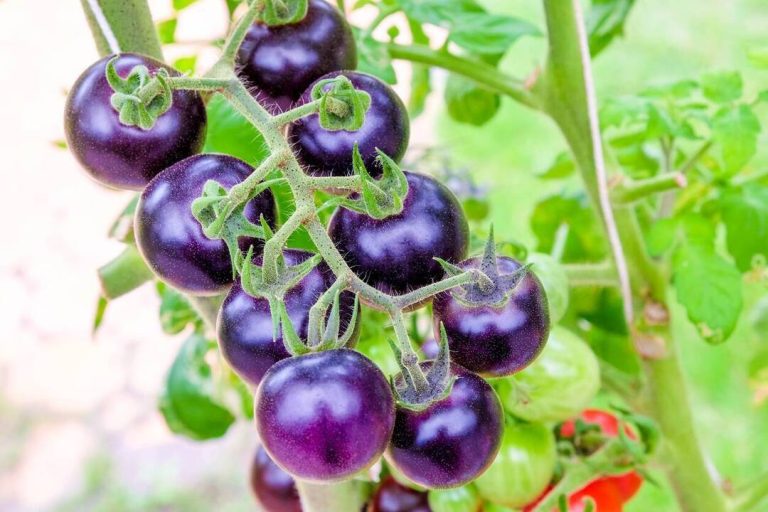
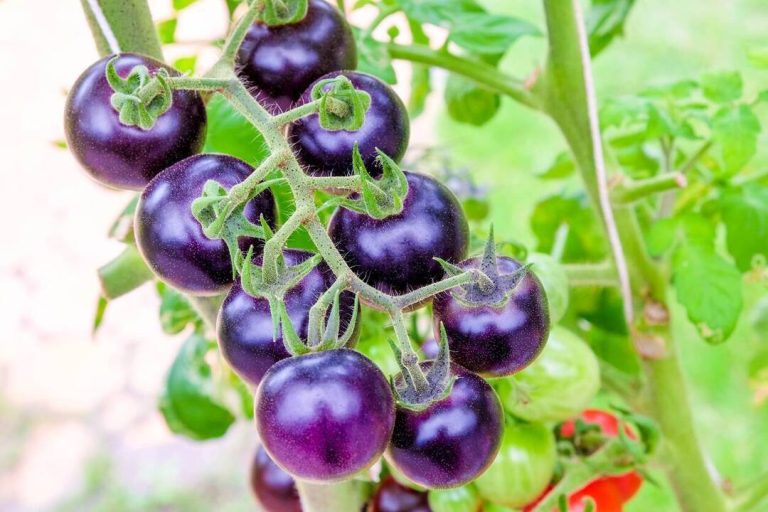
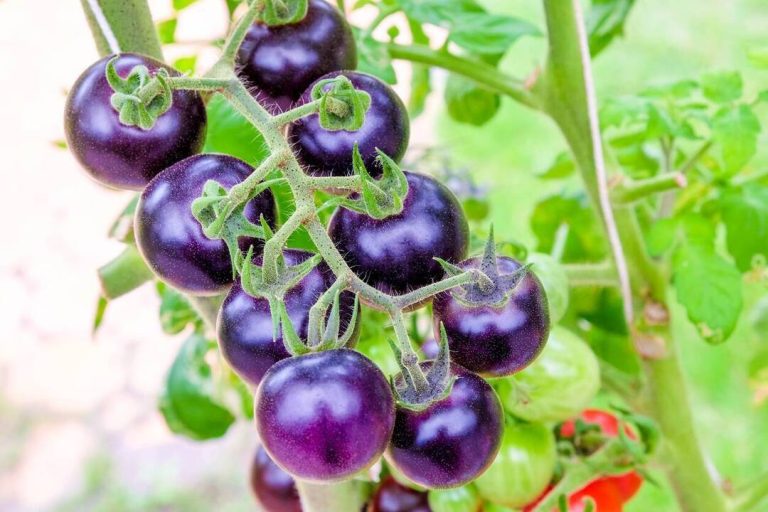
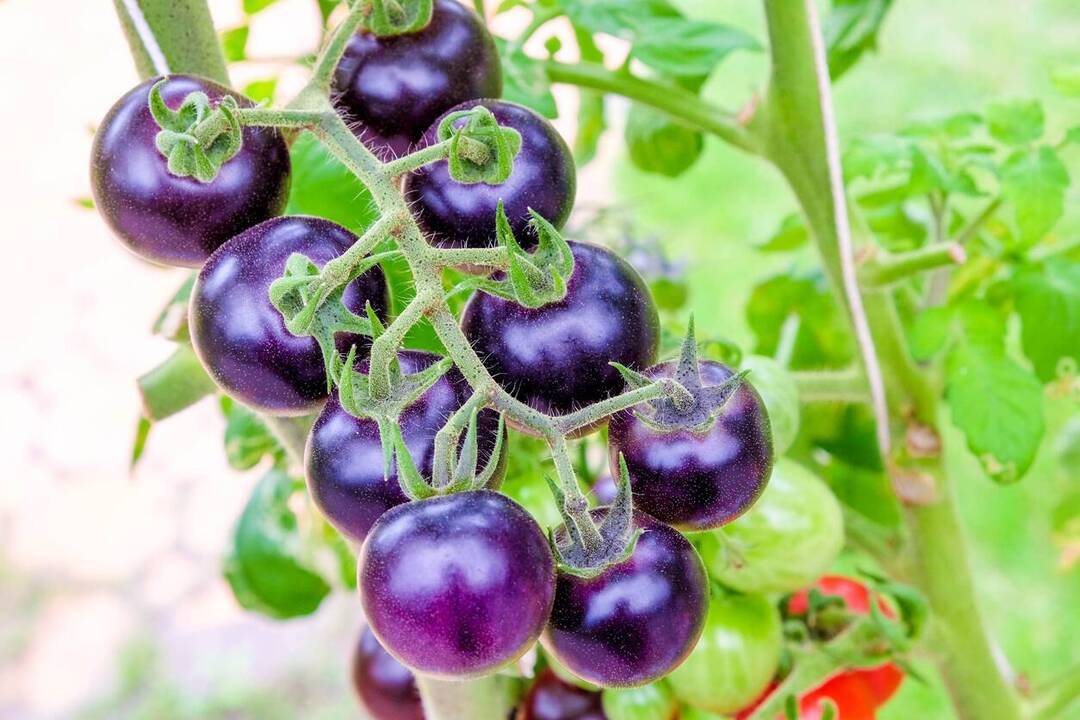
In a groundbreaking move, Australia has given the green light to the commercial sale of genetically modified purple tomatoes. The GM Purple Tomato has been modified to produce natural purple/blue pigments, called anthocyanins, in the fruit as it ripens. This development is a significant milestone in the field of genetically modified crops, and it is expected to have a profound impact on the agricultural industry.
The GM Purple Tomato has been engineered to produce anthocyanins, which are powerful antioxidants that are commonly found in blueberries, raspberries, and other fruits. These antioxidants have been shown to have numerous health benefits, including reducing inflammation, improving cardiovascular health, and protecting against certain types of cancer. By incorporating anthocyanins into tomatoes, the GM Purple Tomato is not only visually appealing but also packed with additional nutritional value.
The risk assessment conducted by the regulator concluded that this release poses negligible risk to the health and safety of people or the environment. The assessment took into account various factors, including the potential impact on human health, the environment, and the agricultural industry. The regulator’s decision is a testament to the rigorous testing and evaluation that the GM Purple Tomato has undergone.
The approval of the GM Purple Tomato is a significant development for Australian farmers, who will now have access to a new and innovative crop. The GM Purple Tomato is expected to be in high demand, particularly among health-conscious consumers who are looking for nutritious and visually appealing produce. Australian farmers will be able to capitalize on this trend, and the GM Purple Tomato is expected to become a lucrative crop for the country’s agricultural industry.
The GM Purple Tomato is also expected to have a positive impact on the environment. Traditional farming methods often rely on large amounts of pesticides and fertilizers, which can harm the environment and contaminate water sources. The GM Purple Tomato, on the other hand, has been engineered to be more resilient and disease-resistant, reducing the need for these harmful chemicals. This makes the GM Purple Tomato a more sustainable and environmentally friendly option for farmers and consumers alike.
In addition to its potential health and environmental benefits, the GM Purple Tomato is also expected to have a significant impact on the food industry. The tomato is a staple ingredient in many cuisines, and the GM Purple Tomato is expected to be used in a variety of products, from sauces and soups to salads and sandwiches. The GM Purple Tomato’s unique color and nutritional profile make it an attractive ingredient for food manufacturers, who will be able to create new and innovative products that showcase the tomato’s benefits.
The approval of the GM Purple Tomato is also a significant development for the biotechnology industry. The use of genetic modification to create crops with improved nutritional profiles and disease resistance is a rapidly growing field, and the GM Purple Tomato is a prime example of the potential of this technology. The success of the GM Purple Tomato is expected to pave the way for the development of other genetically modified crops, which will have a profound impact on the agricultural industry and beyond.
In conclusion, the approval of the GM Purple Tomato is a significant development for Australia’s agricultural industry, and it is expected to have a profound impact on the country’s food industry and beyond. The GM Purple Tomato’s unique nutritional profile and visually appealing color make it an attractive crop for farmers and consumers alike, and its potential health and environmental benefits make it a significant development for the biotechnology industry. As the world’s population continues to grow, the need for innovative and sustainable solutions to food production will become increasingly important, and the GM Purple Tomato is a significant step in the right direction.
News Source: https://www.isaaa.org/kc/cropbiotechupdate/article/default.asp
About the Author