West Bengal CM Mamata Banerjee writes 26 poems against SIR
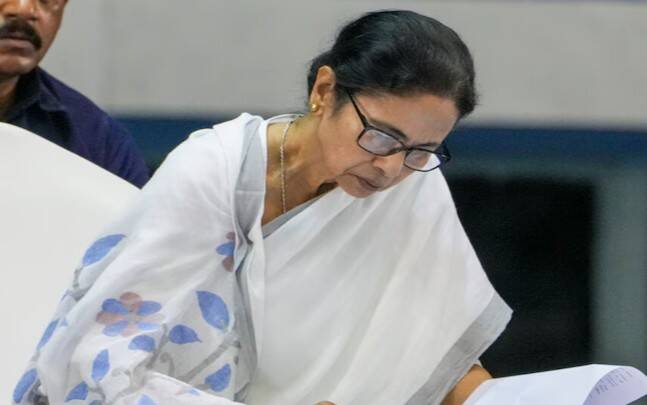
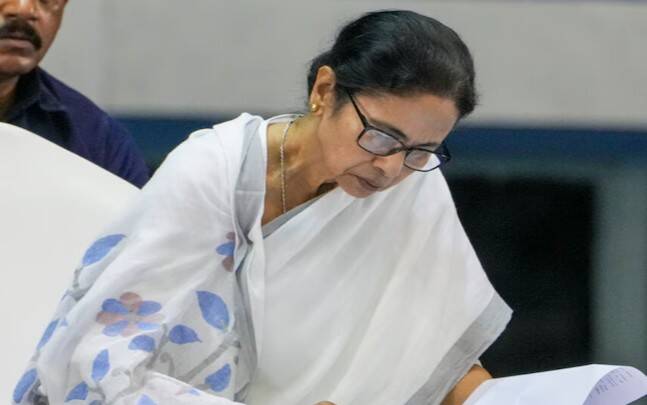
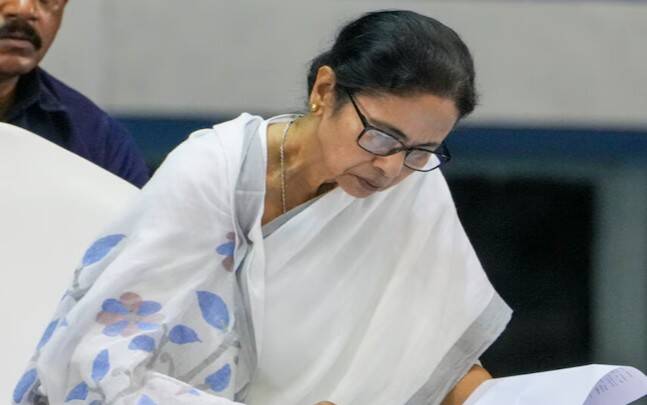
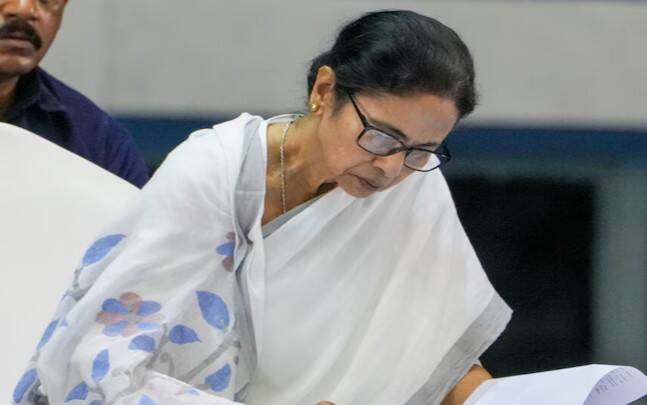
In a unique and creative expression of protest, West Bengal Chief Minister Mamata Banerjee has written 26 poems against the SIR (Silicon Valley of India) project, a contentious issue that has sparked intense debate and opposition in the state. The poems, compiled in a book titled ‘SIR: 26 in 26’, are a reflection of the pain and resistance of the people affected by the process, according to Banerjee. The book is dedicated to “those who have lost their lives in this ruinous game,” she said, highlighting the human cost of the project.
The SIR project, aimed at creating a hub for information technology and other industries, has been a subject of controversy due to concerns over land acquisition, displacement of farmers, and environmental impact. The project has been opposed by various groups, including farmers, environmental activists, and opposition parties. Banerjee, who has been a vocal critic of the project, has now taken to poetry to express her opposition and solidarity with the affected people.
The 26 poems, written by Banerjee within a few days while traveling between engagements, are a testament to her creative and emotional response to the issue. The poems are a powerful expression of the emotions and concerns of the people affected by the SIR project, and they highlight the human side of the story that often gets lost in the noise of politics and development.
Banerjee’s decision to write poems against the SIR project is significant, as it shows that she is not just a politician but also a creative and empathetic person who cares about the people and their stories. The poems are not just a form of protest but also a way of amplifying the voices of the marginalized and oppressed people who are often ignored by those in power.
The book, ‘SIR: 26 in 26’, is a collection of poems that reflect the pain, anger, and frustration of the people affected by the SIR project. The poems are a call to action, urging the readers to think about the consequences of the project and the impact it has on the people and the environment. The book is a powerful statement against the SIR project and a testament to the power of poetry as a form of protest and resistance.
The release of the book comes at a time when the SIR project is facing intense opposition and scrutiny. The project has been challenged in court, and there are concerns about the environmental impact and the displacement of farmers. Banerjee’s poems are a timely reminder of the human cost of the project and the need to rethink and reevaluate the development priorities of the state.
The SIR project is not just a development project; it is a symbol of the larger debate about development, growth, and progress. The project has sparked a debate about the role of the state in promoting development and the impact of development on the environment and the people. Banerjee’s poems are a contribution to this debate, highlighting the need to prioritize the interests of the people and the environment over the interests of corporations and developers.
In conclusion, West Bengal CM Mamata Banerjee’s decision to write 26 poems against the SIR project is a powerful statement against the project and a testament to the power of poetry as a form of protest and resistance. The poems are a reflection of the pain and resistance of the people affected by the project, and they highlight the human side of the story that often gets lost in the noise of politics and development. The book, ‘SIR: 26 in 26’, is a must-read for anyone interested in the SIR project and the larger debate about development, growth, and progress.
The poems are a call to action, urging the readers to think about the consequences of the project and the impact it has on the people and the environment. They are a reminder that development should not come at the cost of the people and the environment, and that the interests of the people and the environment should be prioritized over the interests of corporations and developers.
As the debate about the SIR project continues, Banerjee’s poems are a timely reminder of the need to rethink and reevaluate the development priorities of the state. They are a testament to the power of creativity and empathy in politics, and they highlight the need for politicians to be more sensitive and responsive to the needs and concerns of the people.
The SIR project is a complex and contentious issue, and there are no easy answers or solutions. However, Banerjee’s poems are a contribution to the debate, highlighting the need to prioritize the interests of the people and the environment. They are a reminder that development should not be a zero-sum game, where the interests of one group are prioritized over the interests of another.
In the end, the SIR project is not just about development or growth; it is about the kind of society we want to build and the values we want to uphold. Banerjee’s poems are a powerful statement about the kind of society we should strive for, a society that prioritizes the interests of the people and the environment over the interests of corporations and developers.
About the Author