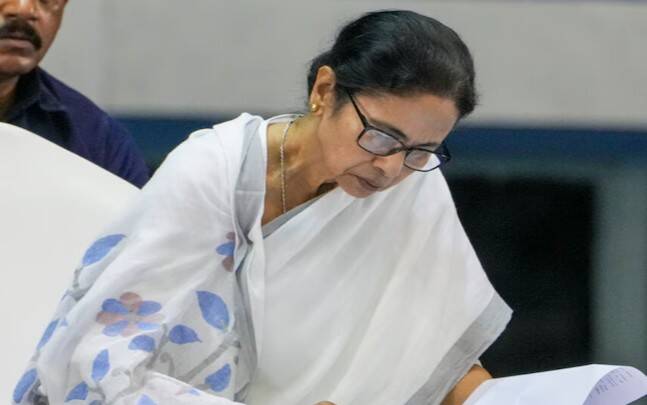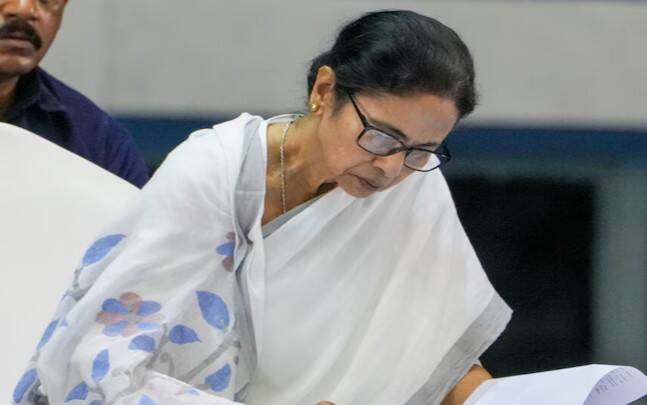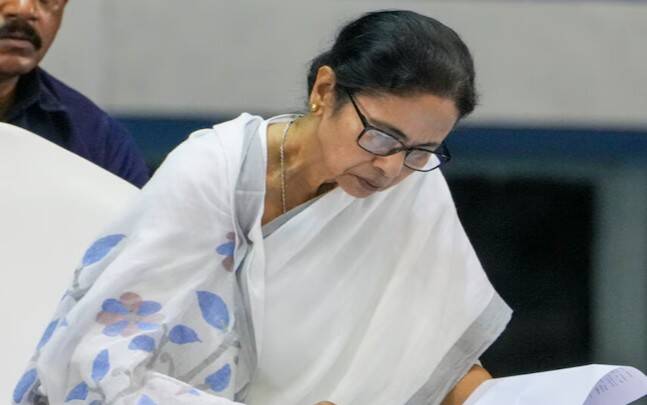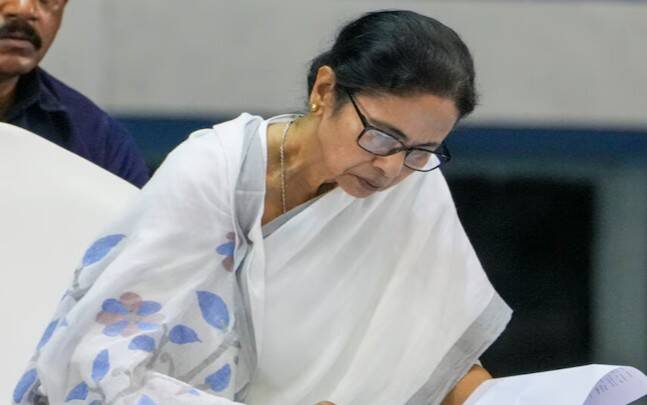
West Bengal CM Mamata Banerjee writes 26 poems against SIR
In a unique display of creative protest, West Bengal Chief Minister Mamata Banerjee has penned 26 poems against the SIR (Social Impact Resolution) process, a contentious issue that has been at the center of a heated legal and political battle in the state. The poems, compiled in a book titled ‘SIR: 26 in 26’, are a reflection of the pain and resistance of the people affected by the process, according to Banerjee.
The book, dedicated to “those who have lost their lives in this ruinous game,” is a powerful expression of the Chief Minister’s solidarity with the people who have been impacted by the SIR process. Banerjee, known for her fierce determination and creative pursuits, wrote the poems within a few days while traveling between engagements, showcasing her ability to multitask and channel her emotions into creative expression.
The SIR process has been a contentious issue in West Bengal, with the state government and the opposition locked in a bitter battle over its implementation. The process, aimed at resolving social and environmental impacts of large-scale projects, has been criticized by many for its lack of transparency and accountability. The opposition has accused the government of using the SIR process to push through projects that benefit a select few, while ignoring the concerns of the affected communities.
Banerjee’s poetic protest is a significant development in the ongoing battle against the SIR process. By using her creative voice to express the pain and resistance of the people, she is drawing attention to the human cost of the process and the need for a more inclusive and transparent approach. The poems, written in a span of just a few days, demonstrate the Chief Minister’s commitment to the cause and her willingness to use her platform to amplify the voices of the marginalized.
The book, ‘SIR: 26 in 26’, is a testament to Banerjee’s creative prowess and her ability to connect with the people on a deeper level. The poems, written in a simple yet powerful language, capture the emotions and struggles of the people affected by the SIR process. They are a call to action, urging the readers to join the resistance against the process and to demand a more just and equitable approach to development.
The timing of the book’s release is significant, coming as it does amidst a heated legal and political battle over the SIR process. The state government has been facing opposition from various quarters, including civil society groups and opposition parties, over its handling of the process. Banerjee’s poetic protest is a bold move, aimed at shifting the narrative and focusing attention on the human cost of the process.
The use of poetry as a form of protest is not new, but it is a powerful tool in the hands of a skilled writer like Banerjee. Poetry has the ability to evoke emotions, to inspire, and to mobilize people around a cause. By using this medium, Banerjee is able to connect with the people on a deeper level, to express their pain and resistance, and to inspire them to take action.
In conclusion, West Bengal CM Mamata Banerjee’s decision to write 26 poems against the SIR process is a significant development in the ongoing battle against the process. The poems, compiled in the book ‘SIR: 26 in 26’, are a powerful expression of the pain and resistance of the people affected by the process. They are a call to action, urging the readers to join the resistance and to demand a more just and equitable approach to development. As the state government and the opposition continue to locked in a bitter battle over the SIR process, Banerjee’s poetic protest is a reminder of the human cost of the process and the need for a more inclusive and transparent approach.
The release of the book has generated a lot of interest and attention, with many praising Banerjee’s creative prowess and her commitment to the cause. The book is a must-read for anyone interested in understanding the SIR process and its impact on the people of West Bengal. It is a powerful expression of the human spirit, a testament to the power of creativity and resistance in the face of adversity.
As the debate over the SIR process continues, Banerjee’s poetic protest is a significant contribution to the discourse. It is a reminder that the struggle against the process is not just about politics or economics, but about the people and their lives. The poems, written in a simple yet powerful language, capture the emotions and struggles of the people affected by the process, and inspire the readers to take action.
In the end, the success of Banerjee’s poetic protest will depend on its ability to inspire and mobilize people around the cause. The book, ‘SIR: 26 in 26’, is a powerful tool in this regard, a call to action that urges the readers to join the resistance against the SIR process. As the state government and the opposition continue to battle it out over the process, Banerjee’s poetic protest is a reminder of the human cost of the process and the need for a more just and equitable approach to development.
About the Author