West Bengal CM Mamata Banerjee writes 26 poems against SIR
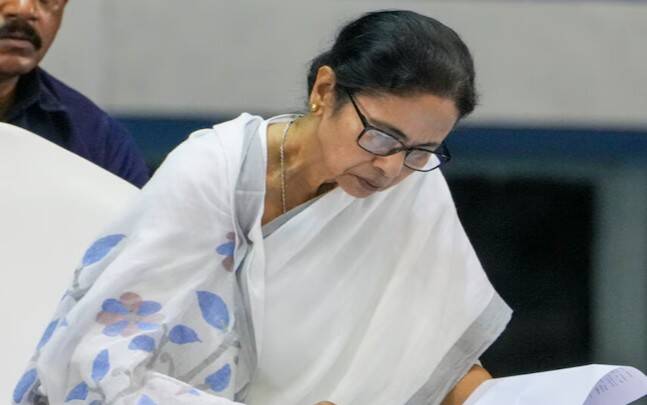
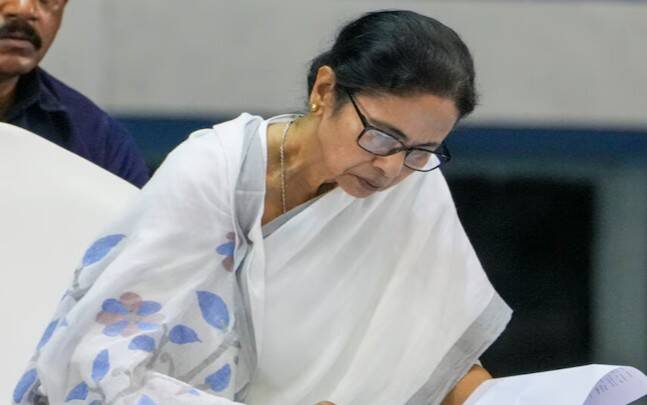
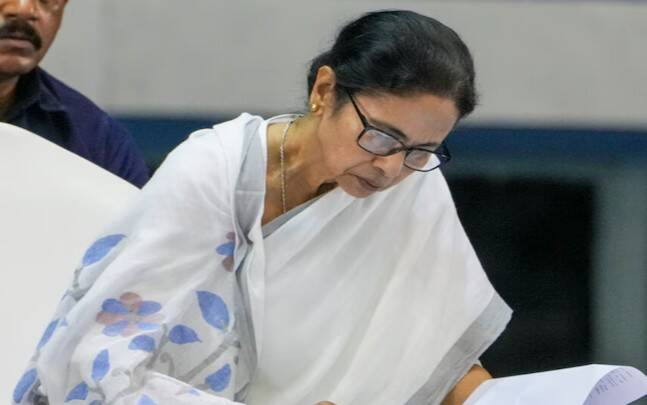
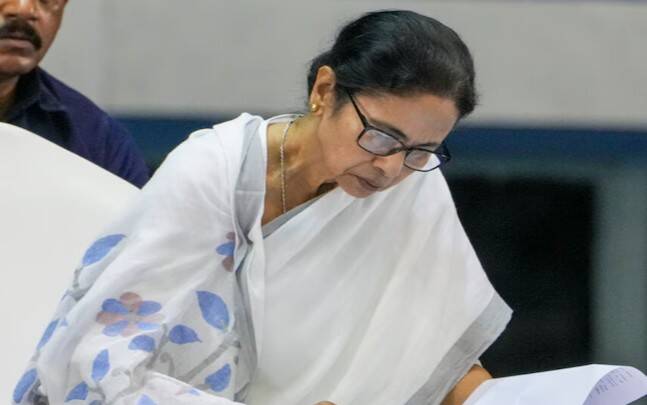
In a unique and creative form of protest, West Bengal Chief Minister Mamata Banerjee has written 26 poems expressing her opposition to the SIR (Silicon Valley of India) project. The book, titled ‘SIR: 26 in 26’, is a collection of poems that reflect the pain and resistance of people affected by the process. The poems are a testament to the Chief Minister’s commitment to the cause and her determination to give voice to the concerns of her people.
According to Banerjee, the poems were written within a few days while she was travelling between engagements. This is a remarkable feat, given the busy schedule of a Chief Minister and the complexity of the issues involved. The fact that she was able to pour her thoughts and emotions into poetry, despite her hectic schedule, speaks to her passion and dedication to the cause.
The book is dedicated to “those who have lost their lives in this ruinous game,” Banerjee said. This dedication highlights the human cost of the SIR project and the devastating impact it has had on the lives of people affected by it. The poems are a tribute to the struggles and sacrifices of these individuals and a testament to the Chief Minister’s commitment to fighting for their rights.
The SIR project has been a contentious issue in West Bengal, with many people opposing it due to concerns about its impact on the environment, livelihoods, and the overall well-being of the community. The project has been the subject of a long and bitter legal and political battle, with the state government and opposition parties locked in a dispute over its implementation.
Through her poems, Banerjee has given voice to the concerns and anxieties of the people affected by the SIR project. The poems are a powerful expression of the emotions and feelings of those who have been impacted by the project, and they provide a unique perspective on the issue. By writing these poems, Banerjee has demonstrated her ability to connect with the people and understand their concerns, and she has shown that she is willing to take a stand on their behalf.
The fact that Banerjee has chosen to express her opposition to the SIR project through poetry is significant. Poetry is a powerful medium for expression, and it allows the poet to convey complex emotions and ideas in a way that is both personal and universal. By using poetry to express her opposition to the SIR project, Banerjee has been able to tap into the emotions and feelings of the people affected by it, and she has been able to convey her message in a way that is both passionate and persuasive.
The book ‘SIR: 26 in 26’ is a significant contribution to the debate over the SIR project, and it provides a unique perspective on the issue. The poems are a powerful expression of the concerns and anxieties of the people affected by the project, and they demonstrate the Chief Minister’s commitment to fighting for their rights. The book is a must-read for anyone interested in the SIR project and its impact on the people of West Bengal.
In conclusion, the fact that West Bengal Chief Minister Mamata Banerjee has written 26 poems against the SIR project is a significant development in the ongoing debate over the project. The poems are a powerful expression of the concerns and anxieties of the people affected by the project, and they demonstrate the Chief Minister’s commitment to fighting for their rights. The book ‘SIR: 26 in 26’ is a unique and creative form of protest, and it provides a new perspective on the issue. As the debate over the SIR project continues, it is likely that Banerjee’s poems will play an important role in shaping the conversation and influencing public opinion.
The use of poetry as a form of protest is not new, and it has been used by many social and political movements throughout history. Poetry has the power to inspire and motivate people, and it can be a powerful tool for social change. By using poetry to express her opposition to the SIR project, Banerjee has been able to tap into the emotions and feelings of the people affected by it, and she has been able to convey her message in a way that is both personal and universal.
The SIR project has been a contentious issue in West Bengal, and it has been the subject of a long and bitter legal and political battle. The project has been opposed by many people due to concerns about its impact on the environment, livelihoods, and the overall well-being of the community. The state government and opposition parties have been locked in a dispute over the project’s implementation, and the issue has been the subject of much debate and discussion.
Through her poems, Banerjee has given voice to the concerns and anxieties of the people affected by the SIR project. The poems are a powerful expression of the emotions and feelings of those who have been impacted by the project, and they provide a unique perspective on the issue. By writing these poems, Banerjee has demonstrated her ability to connect with the people and understand their concerns, and she has shown that she is willing to take a stand on their behalf.
In the end, the outcome of the debate over the SIR project is uncertain, and it is likely that the issue will continue to be the subject of much debate and discussion. However, one thing is clear: the poems written by Banerjee have given voice to the concerns and anxieties of the people affected by the project, and they have provided a unique perspective on the issue. The book ‘SIR: 26 in 26’ is a significant contribution to the debate over the SIR project, and it is a must-read for anyone interested in the issue.
About the Author