Musk-Hoffman Spat Continues Over Epstein Island; Musk Denies Visit
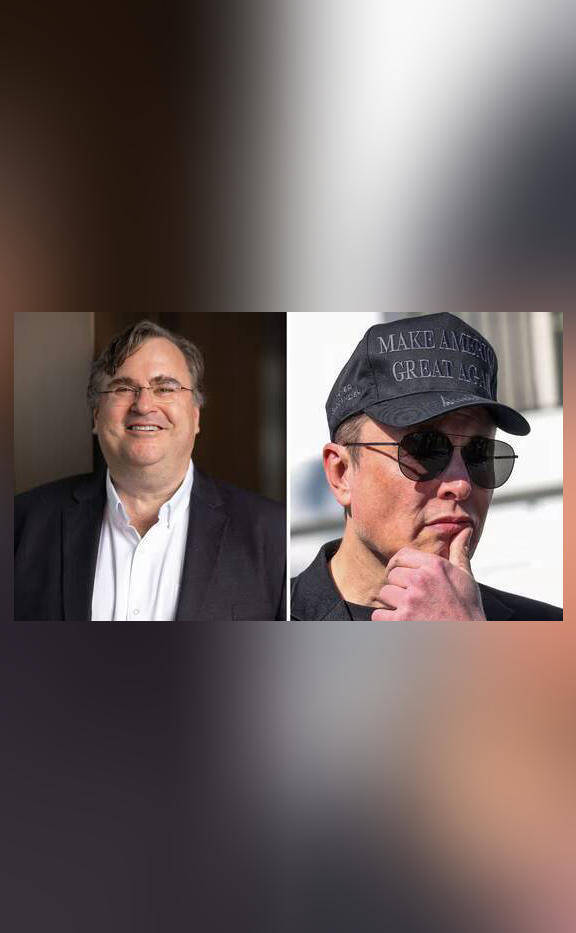
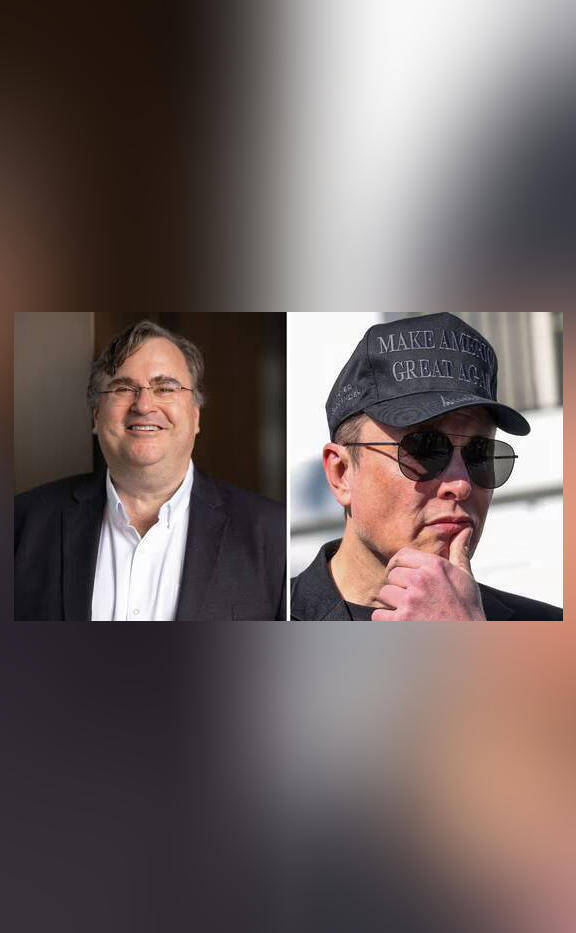
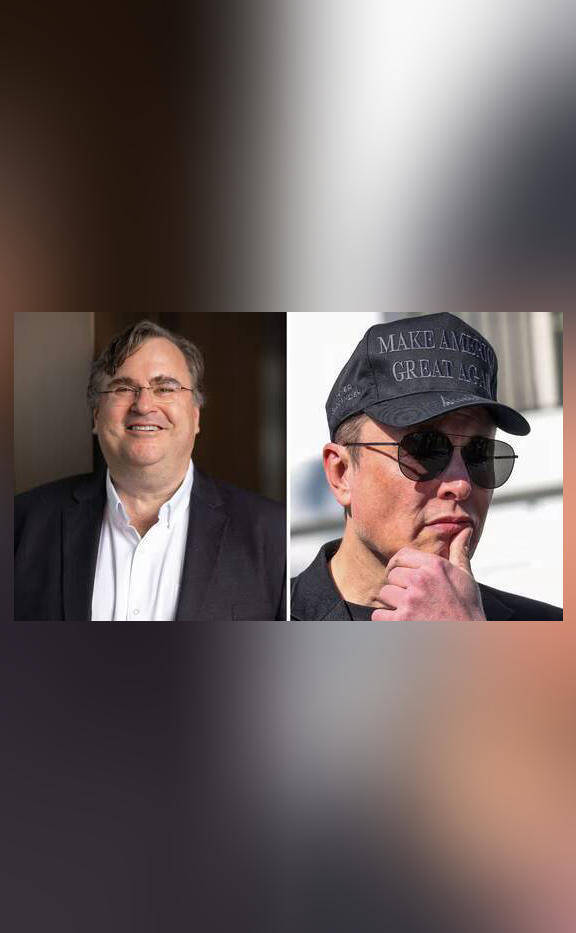
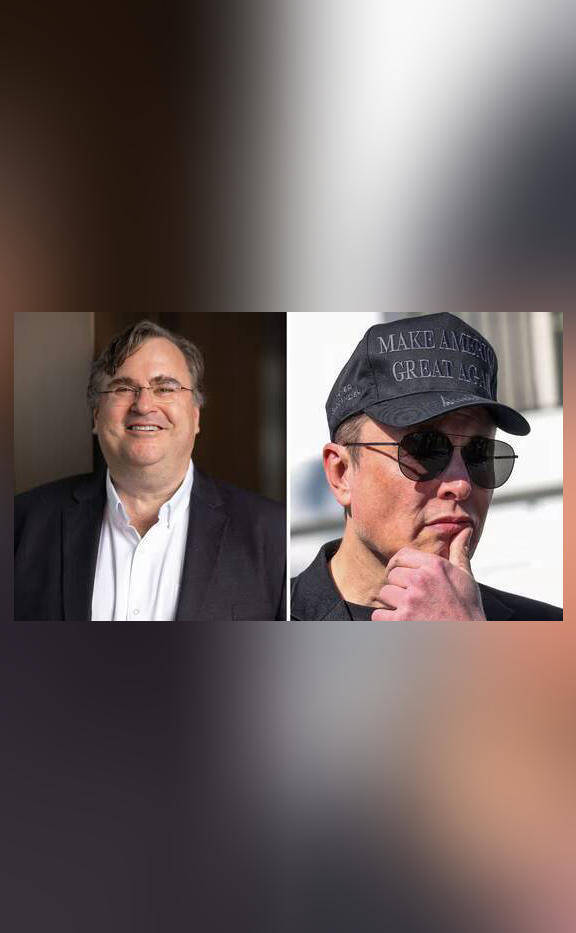
The controversy surrounding Jeffrey Epstein’s island has been a topic of discussion for years, with many high-profile individuals facing scrutiny over their alleged connections to the disgraced financier. Recently, a heated exchange between Elon Musk and LinkedIn co-founder Reid Hoffman has brought the issue back into the spotlight. The two tech moguls have been accusing each other of visiting Epstein’s island, with Hoffman admitting to attending a fundraiser for MIT Media Lab, while Musk claims he never set foot on the island.
The spat between Musk and Hoffman started when Hoffman admitted to visiting Epstein’s island in 2011 to attend a fundraiser for MIT Media Lab. Hoffman claimed that he was unaware of Epstein’s illicit activities at the time and was only there to support the lab’s research initiatives. However, Musk was quick to respond, denying that he had ever visited the island, despite a 2012 email surfacing that showed him asking Epstein when the “wildest party” would be.
Musk took to social media to defend himself, stating, “UNLIKE YOU, I came to…senses and declined to go,” implying that he had initially considered attending one of Epstein’s parties but ultimately decided against it. Musk also claimed that he had eventually blocked Epstein, suggesting that he had distanced himself from the financier after becoming aware of his questionable activities.
However, the 2012 email, which has been widely reported, appears to contradict Musk’s claims. In the email, Musk asks Epstein, “What’s the best time to come for the wildest party?” Epstein responds by telling Musk that he will be hosting a party on his island and invites him to attend. While Musk claims that he never ended up attending the party, the email exchange has raised questions about the nature of his relationship with Epstein.
Hoffman, on the other hand, has been more forthcoming about his visit to Epstein’s island. In a statement, he acknowledged that he had attended the fundraiser for MIT Media Lab, but claimed that he was unaware of Epstein’s illicit activities at the time. Hoffman also expressed regret for his decision to attend the event, stating that he would not have done so if he had known about Epstein’s true nature.
The exchange between Musk and Hoffman has sparked a wider conversation about the ethics of associating with individuals like Epstein, who have been accused of serious wrongdoing. Many have criticized Musk and other high-profile individuals for their alleged connections to Epstein, arguing that they should have been more vigilant in their dealings with him.
The controversy surrounding Epstein’s island has also raised questions about the role of power and privilege in enabling abusive behavior. Epstein’s ability to attract high-profile guests to his island, despite his dubious reputation, has been seen as a testament to the ways in which wealth and influence can be used to shield individuals from accountability.
As the debate over Epstein’s island continues, it is clear that the issue is far from resolved. Musk and Hoffman’s spat has highlighted the need for greater transparency and accountability among high-profile individuals, particularly when it comes to their associations with individuals who have been accused of wrongdoing.
In conclusion, the controversy surrounding Epstein’s island is a complex and multifaceted issue that raises important questions about power, privilege, and accountability. While Musk and Hoffman’s spat has brought the issue back into the spotlight, it is clear that there is still much work to be done to address the underlying issues that enabled Epstein’s abusive behavior. As the conversation continues, it is essential that we prioritize transparency, accountability, and a commitment to justice for all individuals, regardless of their wealth or influence.
News source: https://x.com/elonmusk/status/2018925189539811483
About the Author