West Bengal CM Mamata Banerjee writes 26 poems against SIR
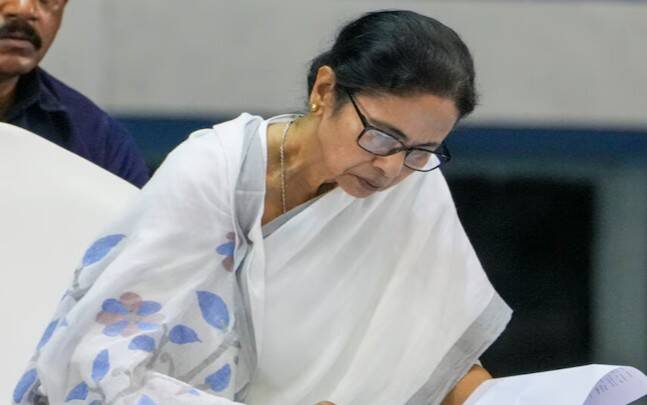
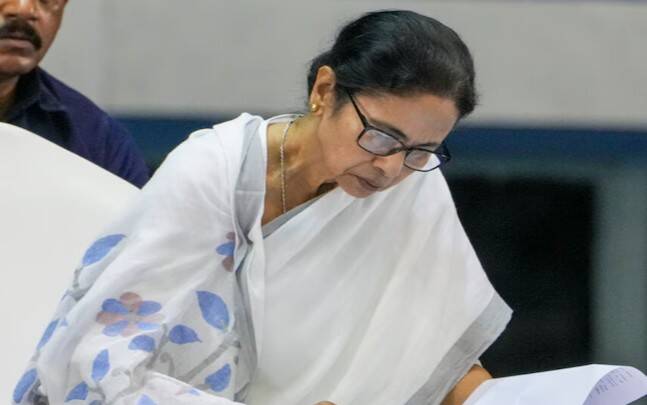
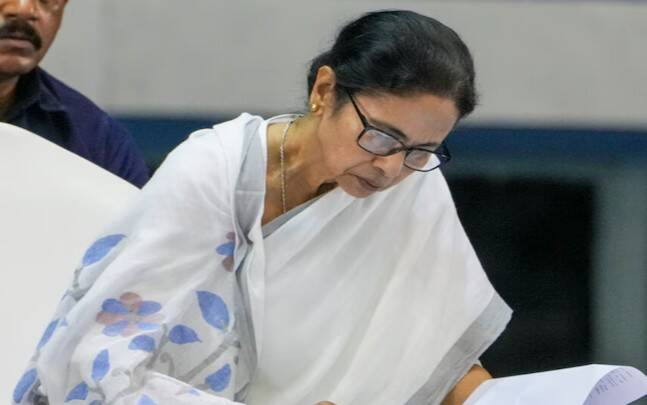
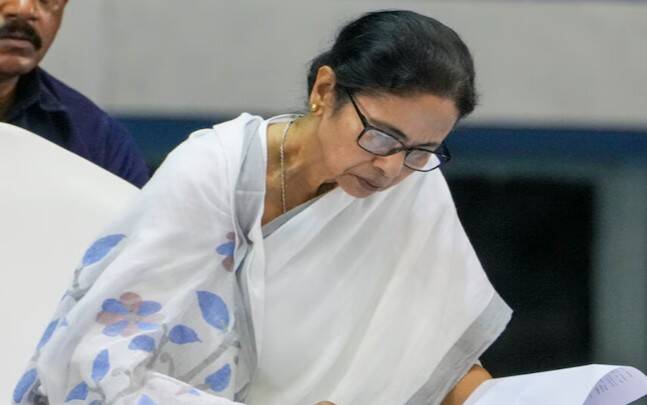
In a unique and creative expression of protest, West Bengal Chief Minister Mamata Banerjee has penned 26 poems against the SIR (Silicon Island of Rajarhat) project, a contentious issue that has been at the center of a legal and political battle in the state. The poems, compiled in a book titled ‘SIR: 26 in 26’, reflect the pain and resistance of people affected by the SIR process, according to Banerjee.
The book is dedicated to “those who have lost their lives in this ruinous game,” Banerjee said, highlighting the human cost of the SIR project. The poems were written by Banerjee within a few days, while she was traveling between engagements, showcasing her creative streak and commitment to the cause. The fact that she managed to write 26 poems in such a short span of time is a testament to her passion and dedication to the issue.
The SIR project has been a contentious issue in West Bengal, with many opposing it due to concerns over land acquisition, displacement of farmers, and environmental impact. The project aims to create a silicon hub in Rajarhat, but the process of land acquisition has been marred by controversy, with many farmers and landowners alleging that they were forced to sell their land at throwaway prices.
Banerjee’s poetic protest is a significant development in the ongoing battle against the SIR project. By expressing her opposition through poetry, she has given voice to the concerns and emotions of those affected by the project. The poems are a powerful expression of the human cost of the SIR project and the impact it has had on the lives of people in West Bengal.
The book ‘SIR: 26 in 26’ is not just a collection of poems; it is a testament to the power of creative expression in the face of adversity. Banerjee’s poems are a call to action, urging people to stand up against injustice and fight for their rights. The poems also reflect the pain and suffering of those who have lost their livelihoods and homes due to the SIR project.
The SIR project has been a major point of contention between the West Bengal government and the opposition parties. While the government has argued that the project will bring in investment and create jobs, the opposition has alleged that it will displace farmers and destroy the environment. Banerjee’s poetic protest has added a new dimension to the debate, highlighting the human cost of the project and the need for a more nuanced approach.
The fact that Banerjee has chosen to express her opposition to the SIR project through poetry is significant. Poetry has long been a powerful medium for social commentary and protest, and Banerjee’s poems are a testament to the enduring power of this art form. By using poetry to express her opposition, Banerjee has been able to connect with people on an emotional level, highlighting the human cost of the SIR project and the need for a more compassionate approach.
In recent years, there has been a growing trend of politicians using creative expression to connect with people and express their views. Banerjee’s poetic protest is a significant development in this trend, showcasing the power of poetry as a medium for social commentary and protest. The fact that she has chosen to express her opposition to the SIR project through poetry is a testament to the enduring power of this art form and its ability to inspire and motivate people.
The book ‘SIR: 26 in 26’ is a must-read for anyone interested in the SIR project and its impact on West Bengal. The poems are a powerful expression of the human cost of the project and the need for a more nuanced approach. By reading the poems, one can gain a deeper understanding of the issues at stake and the need for a more compassionate approach to development.
In conclusion, West Bengal CM Mamata Banerjee’s poetic protest against the SIR project is a significant development in the ongoing battle against the project. The poems, compiled in the book ‘SIR: 26 in 26’, reflect the pain and resistance of people affected by the SIR process and are a powerful expression of the human cost of the project. By expressing her opposition through poetry, Banerjee has given voice to the concerns and emotions of those affected by the project, highlighting the need for a more nuanced approach to development.
About the Author