New research explains same-sex behaviour across animal species
Same-sex behaviour has long been observed in various animal species, leaving scientists to wonder about the underlying reasons for this phenomenon. While it was once believed to be an anomaly or a result of genetic mutations, new research suggests that same-sex behaviour is, in fact, a common and adaptive trait that serves to strengthen social bonds and improve cooperation in complex or harsh environments. A recent study by researchers at Imperial College London has shed light on this fascinating topic, providing insights into the evolutionary drivers of same-sex behaviour across the animal kingdom.
The study, which covered hundreds of species, reveals that environmental and social pressures, rather than genetics alone, drive same-sex behaviour in animals. This groundbreaking research challenges the traditional view that same-sex behaviour is a result of genetic abnormalities or a byproduct of brain structure. Instead, it suggests that same-sex behaviour is an adaptive strategy that helps animals cope with challenging environments, promote social cohesion, and ultimately enhance their survival chances.
One of the key findings of the study is that same-sex behaviour is more common in species that live in complex or unpredictable environments. For example, animals that inhabit areas with scarce resources, high predation rates, or unpredictable climates are more likely to exhibit same-sex behaviour. This is because, in such environments, cooperation and social bonding become essential for survival. By forming close bonds with members of the same sex, animals can increase their chances of finding food, avoiding predators, and protecting their territory.
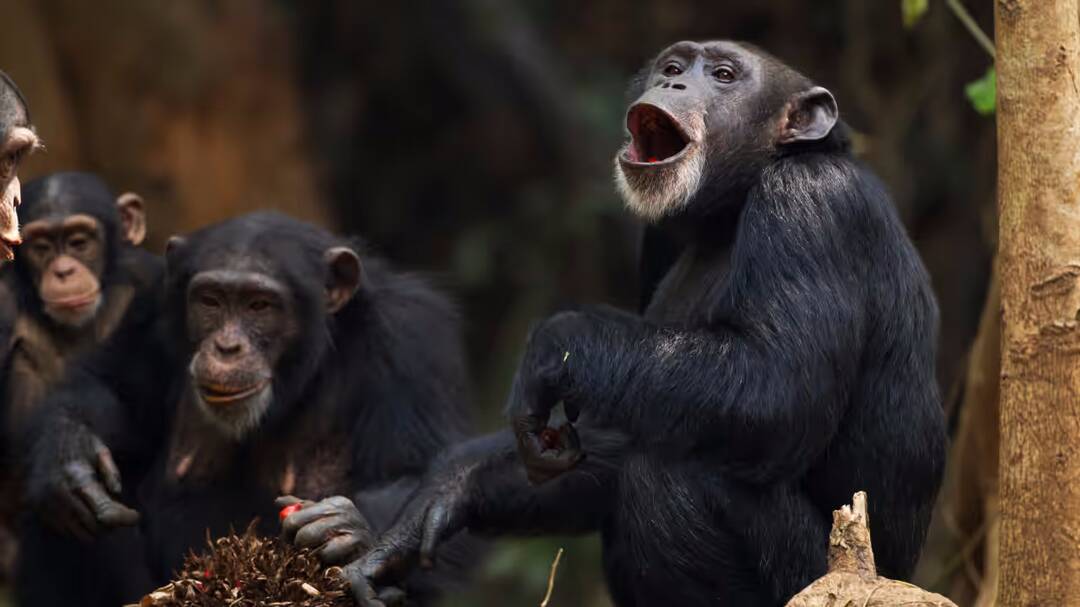
The researchers also found that same-sex behaviour is often linked to social learning and cultural transmission. In some species, same-sex behaviour is passed down from one generation to the next through social learning, where younger animals learn from older, experienced individuals. This highlights the importance of social factors in shaping the evolution of same-sex behaviour, rather than relying solely on genetic explanations.
Another interesting aspect of the study is the discovery that same-sex behaviour can serve as a mechanism for conflict resolution and stress reduction. In some species, same-sex interactions can help to reduce aggression and tension between individuals, promoting a more harmonious social environment. This is particularly important in species that live in close proximity to each other, where conflicts can arise over resources, mating, or territory.
The study’s findings have significant implications for our understanding of the evolution of same-sex behaviour in animals. By recognizing that same-sex behaviour is an adaptive trait that serves to strengthen social bonds and improve cooperation, we can better appreciate the complexity and diversity of animal social behaviour. The research also highlights the importance of considering the social and environmental context in which same-sex behaviour evolves, rather than relying on simplistic genetic explanations.
Furthermore, the study’s results have important implications for conservation efforts. By understanding the role of same-sex behaviour in promoting social cohesion and cooperation, conservationists can develop more effective strategies for managing and protecting animal populations. For example, by recognizing the importance of same-sex bonds in certain species, conservationists can design more effective social structures for captive breeding programs, or develop strategies to reduce conflict and promote cooperation in wild populations.
In conclusion, the new research by Imperial College London provides a fascinating insight into the evolution of same-sex behaviour across the animal kingdom. By highlighting the importance of environmental and social pressures in driving same-sex behaviour, the study challenges traditional views and provides a more nuanced understanding of this complex phenomenon. As we continue to explore the natural world and strive to protect and conserve animal populations, it is essential that we consider the intricate social dynamics and adaptive strategies that shape the behaviour of animals, including same-sex behaviour.
About the Author