West Bengal CM Mamata Banerjee writes 26 poems against SIR
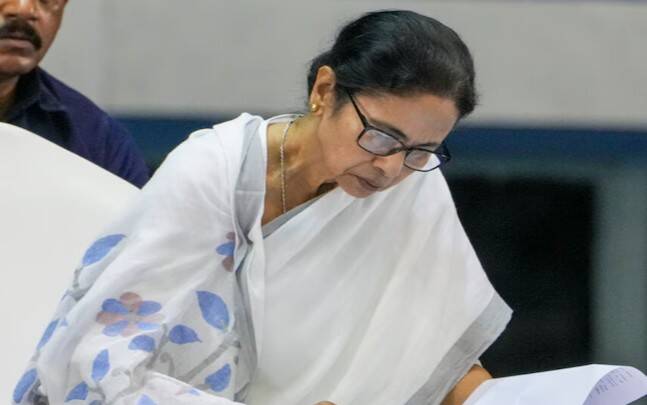
In a unique and creative expression of protest, West Bengal Chief Minister Mamata Banerjee has penned 26 poems against the SIR (Social Impact Review) process, which has been a subject of controversy and debate in the state. The poems, compiled in a book titled ‘SIR: 26 in 26’, are a reflection of the pain and resistance of the people affected by the SIR process, according to Banerjee. The book is dedicated to “those who have lost their lives in this ruinous game,” she said, highlighting the human cost of the SIR process.
The SIR process has been a contentious issue in West Bengal, with the state government and the opposition locked in a bitter battle over its implementation. The process involves the assessment of the social impact of projects, including those related to infrastructure development, industrialization, and other economic activities. While the government claims that the SIR process is necessary to ensure that projects are implemented in a socially responsible manner, critics argue that it is being used to delay and obstruct development projects.
Banerjee, who is known for her fiery personality and passionate advocacy for the rights of the people of West Bengal, has been a vocal critic of the SIR process. She has argued that the process is being used to undermine the state’s development and to favor the interests of certain groups and individuals. The 26 poems, written by Banerjee within a few days while traveling between engagements, are a testament to her commitment to the cause and her determination to give voice to the concerns of the people of West Bengal.
The poems, which are a mix of free verse and rhyme, are a powerful expression of the emotions and sentiments of the people affected by the SIR process. They speak of the pain, the struggle, and the resistance of those who have been impacted by the process, and they convey the sense of injustice and frustration that many people feel. The poems also reflect Banerjee’s own emotions and experiences, as she grapples with the challenges of leading a state that is facing numerous developmental and economic challenges.
One of the notable aspects of the poems is the way they use imagery and metaphor to convey the impact of the SIR process on the people of West Bengal. For example, one poem compares the SIR process to a “slow-moving storm” that is destroying the lives of people, while another poem describes the process as a “web of deceit” that is entrapping the state. The use of such imagery and metaphor adds depth and complexity to the poems, and helps to convey the sense of urgency and concern that Banerjee feels about the issue.
The publication of the poems has been widely reported in the media, and has sparked a lively debate about the SIR process and its impact on West Bengal. While some critics have dismissed the poems as a publicity stunt, others have praised Banerjee for using her creative talents to give voice to the concerns of the people. The poems have also been seen as a reflection of Banerjee’s commitment to the people of West Bengal, and her determination to fight for their rights and interests.
In conclusion, the 26 poems written by West Bengal CM Mamata Banerjee against the SIR process are a powerful expression of the emotions and sentiments of the people affected by the process. The poems, which are a mix of free verse and rhyme, use imagery and metaphor to convey the impact of the SIR process on the people of West Bengal, and reflect Banerjee’s own emotions and experiences as she grapples with the challenges of leading the state. The publication of the poems has sparked a lively debate about the SIR process, and has highlighted the need for a more nuanced and balanced approach to development and social impact assessment.
The controversy surrounding the SIR process is likely to continue, with the state government and the opposition locked in a bitter battle over its implementation. However, the poems written by Banerjee are a reminder that the issue is not just about politics and economics, but also about the human cost of the SIR process. As the debate continues, it is essential to listen to the voices of the people affected by the process, and to work towards finding solutions that balance the needs of development with the concerns of the community.
The book ‘SIR: 26 in 26’ is a testament to the power of poetry and creative expression to give voice to the concerns of the people. It is also a reflection of Banerjee’s commitment to the people of West Bengal, and her determination to fight for their rights and interests. As the state continues to grapple with the challenges of development and social impact assessment, the poems written by Banerjee are a reminder of the need for a more nuanced and balanced approach, one that takes into account the concerns and aspirations of the people.
About the Author