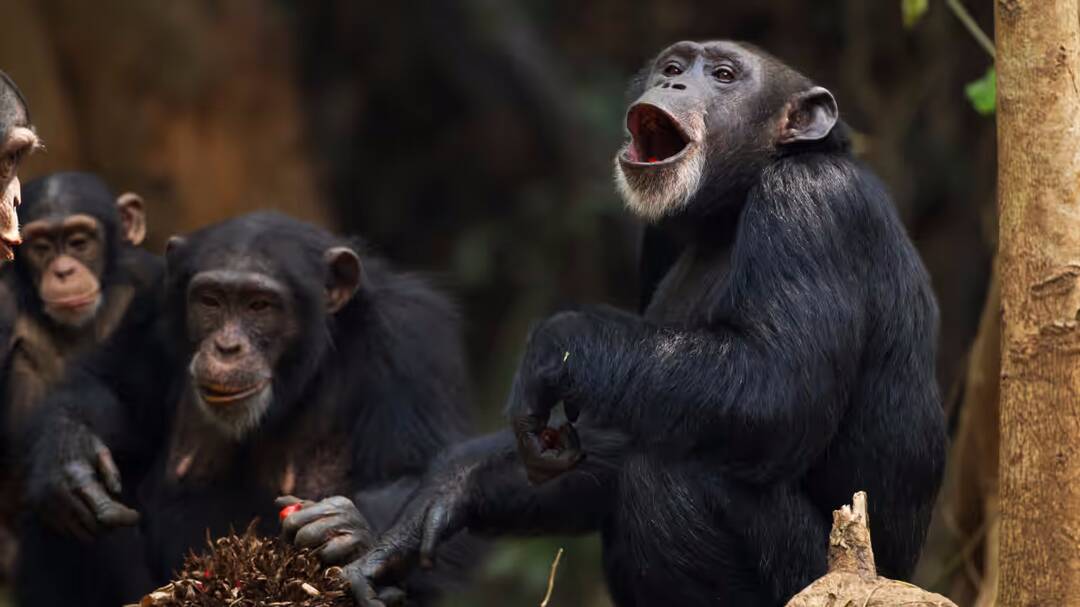
New research explains same-sex behaviour across animal species
Same-sex behaviour in animals has long been a topic of interest and debate among scientists and the general public alike. While it is often perceived as a deviation from the norm, recent research suggests that same-sex behaviour is more common in the animal kingdom than previously thought. A new study by researchers at Imperial College London has shed light on the reasons behind this phenomenon, revealing that same-sex behaviour plays a crucial role in strengthening social bonds and improving cooperation and survival in complex or harsh environments.
The study, which covered hundreds of species, found that environmental and social pressures, rather than genetics alone, drive same-sex behaviour across the animal kingdom. This groundbreaking research has significant implications for our understanding of animal behaviour and social structures, and challenges the traditional view that same-sex behaviour is an anomaly or a result of genetic mutations.
One of the key findings of the study is that same-sex behaviour is more prevalent in species that live in complex or harsh environments. For example, in species that live in large groups, such as primates or dolphins, same-sex behaviour is often used to strengthen social bonds and reduce conflict. In these species, same-sex behaviour is not just a means of reproduction, but also a way of establishing and maintaining social hierarchies and alliances.
The researchers also found that same-sex behaviour is more common in species that are under intense pressure to survive and reproduce. For example, in species that live in areas with limited food or water resources, same-sex behaviour may be used as a way of conserving energy and resources, rather than expending them on reproductive activities. This suggests that same-sex behaviour is an adaptive strategy that helps animals to cope with challenging environments and improve their chances of survival.
Another interesting finding of the study is that same-sex behaviour is not unique to any particular group of animals. The researchers found that same-sex behaviour is present in a wide range of species, from mammals and birds to reptiles and insects. This suggests that same-sex behaviour is a universal phenomenon that is not limited to any particular taxonomic group.
The study also challenges the traditional view that same-sex behaviour is a result of genetic mutations or abnormalities. The researchers found that same-sex behaviour is often a result of environmental and social pressures, rather than genetic factors. For example, in some species, same-sex behaviour may be triggered by changes in social status or dominance hierarchies, rather than by genetic predisposition.
The implications of this research are significant, and challenge our understanding of animal behaviour and social structures. The study suggests that same-sex behaviour is not an anomaly or a deviation from the norm, but rather a common and adaptive strategy that is used by animals to cope with challenging environments and improve their chances of survival.
The research also has implications for our understanding of human behaviour and social structures. The study suggests that same-sex behaviour is not unique to humans, but rather a common phenomenon that is present in a wide range of species. This challenges the traditional view that same-sex behaviour is a result of human culture or societal factors, and suggests that it may be a more fundamental aspect of animal behaviour and social structures.
In conclusion, the new research by Imperial College London provides a fascinating insight into the reasons behind same-sex behaviour in animals. The study suggests that same-sex behaviour is a common and adaptive strategy that is used by animals to strengthen social bonds, improve cooperation and survival, and cope with challenging environments. The research challenges the traditional view that same-sex behaviour is an anomaly or a result of genetic mutations, and suggests that it is a universal phenomenon that is present in a wide range of species.
The study is a significant contribution to our understanding of animal behaviour and social structures, and has important implications for our understanding of human behaviour and social structures. As we continue to learn more about the complexities of animal behaviour and social structures, we are reminded of the importance of respecting and appreciating the diversity of life on Earth.
Read more about the study at: https://newsable.asianetnews.com/international/science/scientists-discover-why-same-sex-behaviour-evolves-in-animal-species-articleshow-zd8b90h
About the Author