$700 bn total imports, $500 bn from US alone?: Tharoor on trade deal
The recent trade deal between India and the United States has sparked a heated debate, with many questioning the feasibility of the claims made by US President Donald Trump. While announcing the deal, Trump claimed that Prime Minister Narendra Modi had committed to buying “$500 billion worth of US energy, technology, agricultural, coal, and many other products”. This statement has raised eyebrows, with many wondering if India is indeed planning to spend half of its total import bill on US products alone.
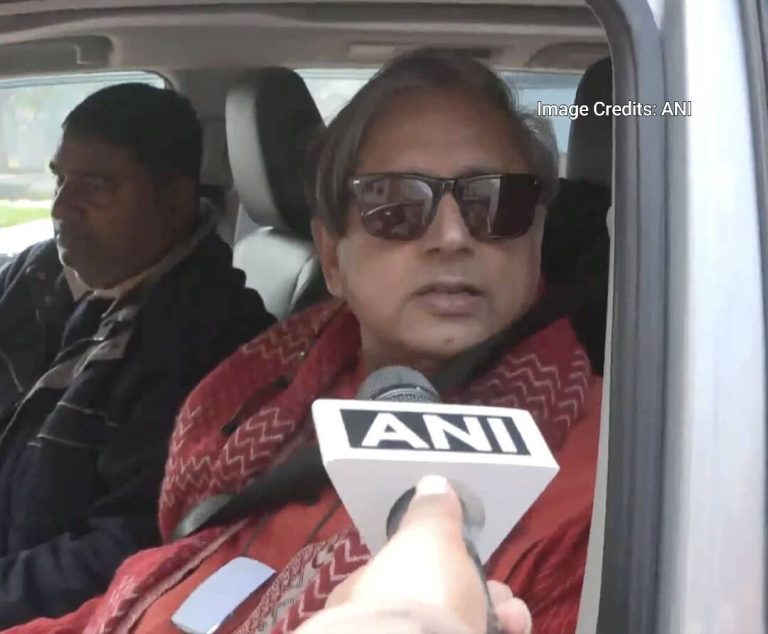
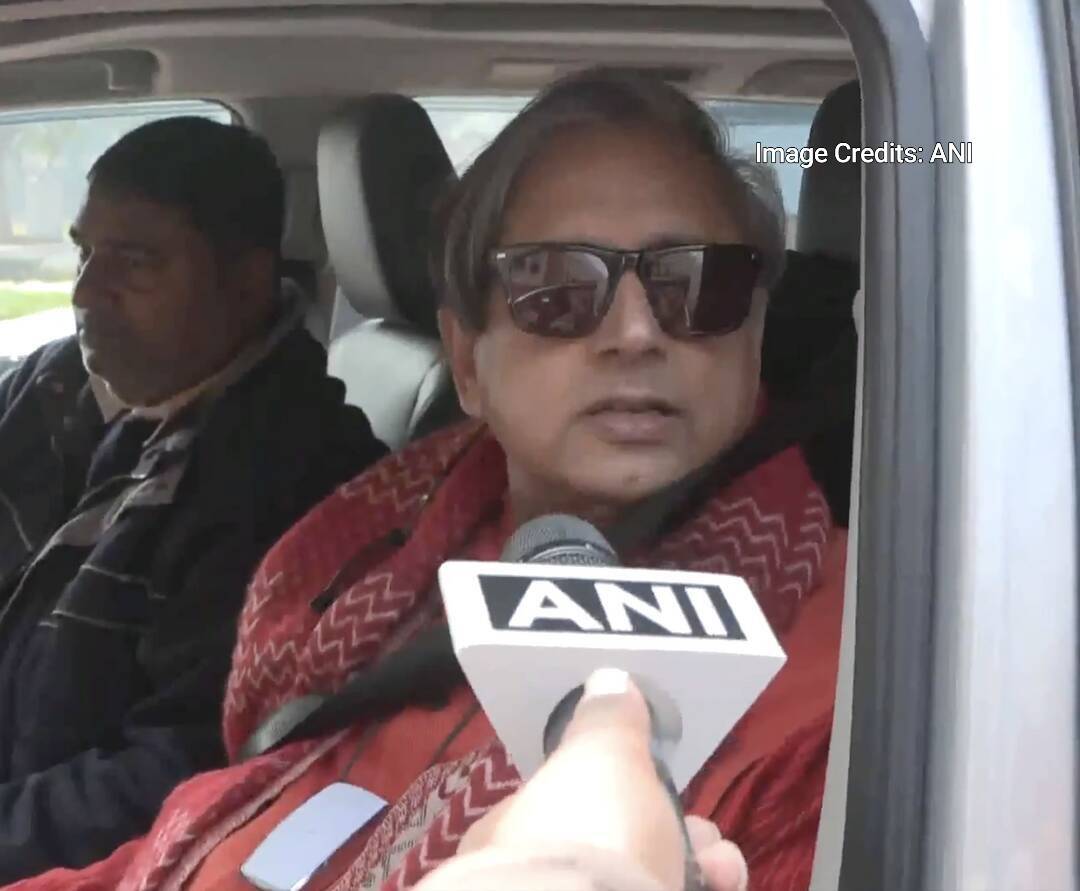
Seeking clarity on this, Congress MP Shashi Tharoor posed a pertinent question, “Our entire import bill is $700 billion, so are we going to stop buying from every other country?” This is a valid concern, as India’s trade relationships with other countries are significant and diverse. With a total import bill of $700 billion, it is unlikely that India would allocate more than two-thirds of its imports to a single country, even if it is a major economic power like the United States.
Tharoor’s statement highlights the need for transparency and clarity on the terms of the trade deal. If India is indeed planning to spend $500 billion on US products, it would require a significant shift in its trade policies and relationships with other countries. This could have far-reaching implications for India’s economy, as well as its diplomatic relationships with other nations.
The trade deal between India and the US is seen as a major breakthrough, with both countries seeking to increase bilateral trade and investment. However, the claims made by Trump have raised concerns about the imbalance in the deal. With India’s total import bill being $700 billion, it is unlikely that the country would allocate such a large proportion of its imports to a single country.
Moreover, India’s trade relationships with other countries, such as China, the European Union, and the Middle East, are significant and cannot be ignored. India is a major importer of goods such as electronics, machinery, and petroleum products, and it is unlikely that the country would stop buying from other countries to fulfill its requirements.
Tharoor’s question also raises concerns about the impact of the trade deal on India’s economy. If India is indeed planning to spend $500 billion on US products, it could lead to a significant increase in the country’s trade deficit. This could have far-reaching implications for India’s economy, including a depreciation of the rupee and a rise in inflation.
Furthermore, the trade deal could also have implications for India’s domestic industries. If India is importing $500 billion worth of goods from the US, it could lead to a decline in domestic production and employment. This could have significant social and economic implications, particularly for small and medium-sized enterprises that are a major driver of India’s economic growth.
In conclusion, the claims made by Trump about the trade deal between India and the US have raised more questions than answers. Tharoor’s statement highlights the need for transparency and clarity on the terms of the deal, and the potential implications for India’s economy and trade relationships with other countries. As India seeks to increase its trade and investment with the US, it is essential to ensure that the deal is fair and balanced, and does not compromise the country’s economic interests or relationships with other nations.
The trade deal between India and the US is a significant development, and it is essential to approach it with caution and careful consideration. As Tharoor has pointed out, India’s entire import bill is $700 billion, and it is unlikely that the country would allocate more than two-thirds of its imports to a single country. The government must provide clarity on the terms of the deal and ensure that it is in the best interests of the country.
The implications of the trade deal are far-reaching, and it is essential to consider the potential impact on India’s economy, trade relationships, and domestic industries. As India seeks to increase its trade and investment with the US, it is crucial to ensure that the deal is fair, balanced, and does not compromise the country’s economic interests.
In the end, it is essential to approach the trade deal with a critical and nuanced perspective, considering all the potential implications and consequences. The government must provide transparency and clarity on the terms of the deal, and ensure that it is in the best interests of the country. As Tharoor has pointed out, India’s trade relationships with other countries are significant, and it is unlikely that the country would stop buying from every other country to fulfill its requirements from the US alone.
News Source: https://x.com/ANI/status/2018584610888937726
About the Author