$700 bn total imports, $500 bn from US alone?: Tharoor on trade deal
The recent trade deal between India and the United States has sparked a flurry of discussions and debates among economists, policymakers, and politicians. While announcing the trade deal, US President Donald Trump claimed that Prime Minister Narendra Modi committed to buying “$500 billion worth of US energy, technology, agricultural, coal, and many other products”. This statement has raised several eyebrows, with many questioning the feasibility and implications of such a massive commitment.
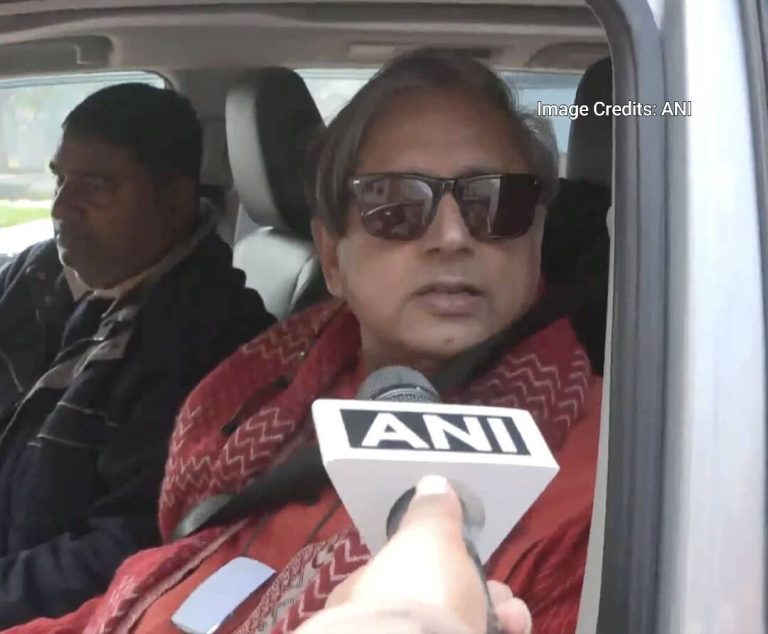
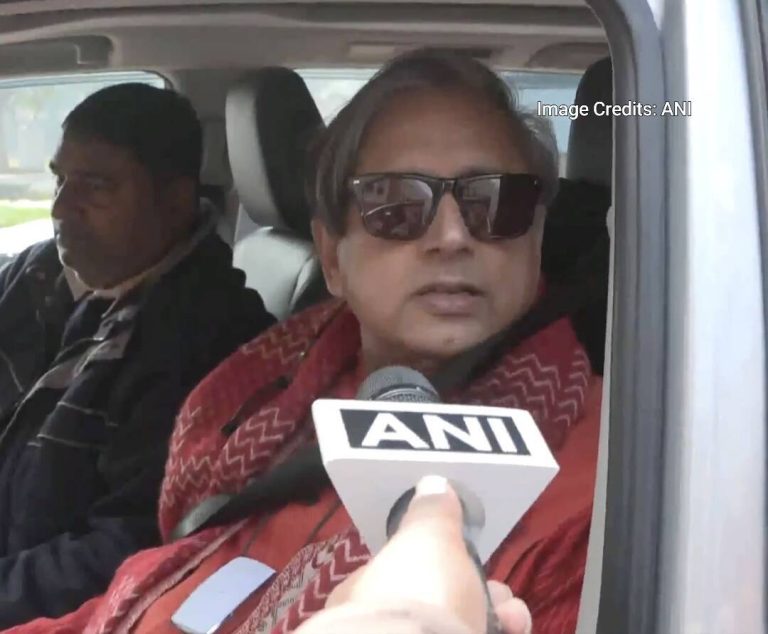
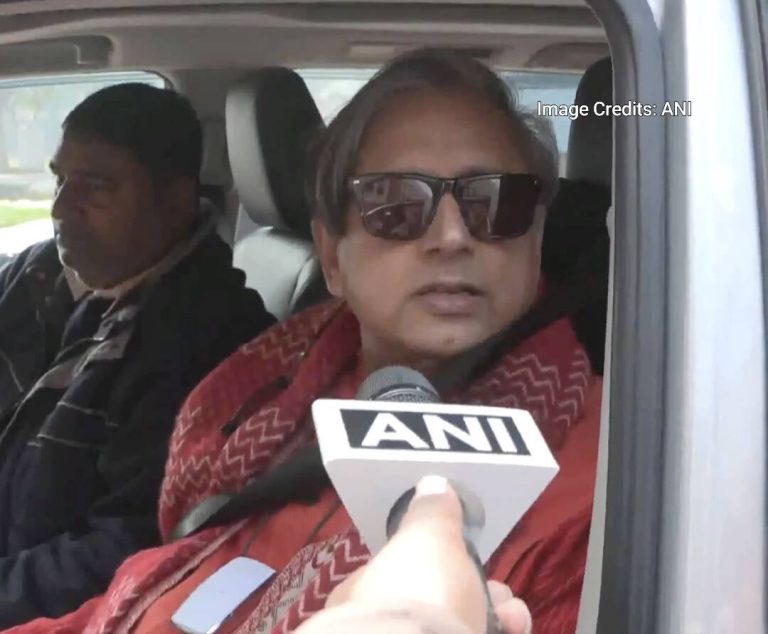
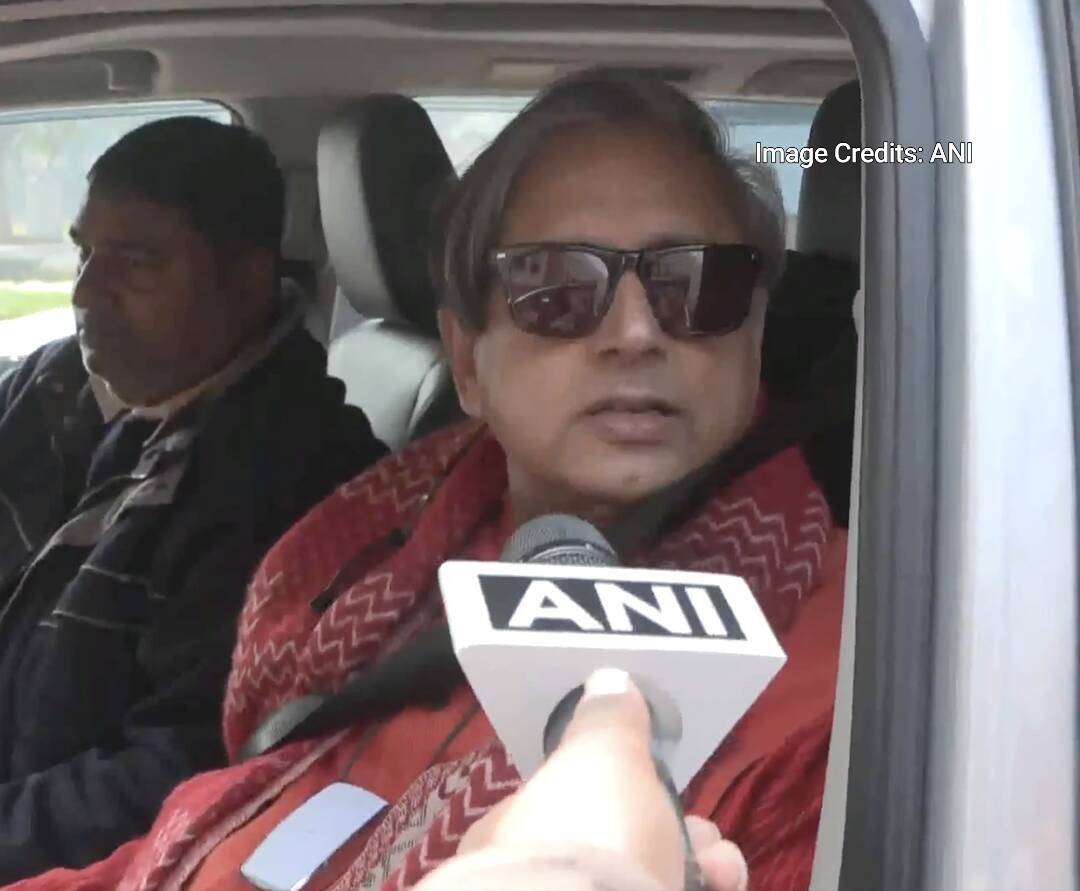
Seeking clarity on this, Congress MP Shashi Tharoor posed a pertinent question, “Our entire import bill is $700 billion, so are we going to stop buying from every other country?” This statement highlights the absurdity of the situation, where India’s entire import bill is $700 billion, and the US alone is expected to account for $500 billion of it. This would mean that India would have to drastically reduce its imports from other countries, which is not only unrealistic but also potentially harmful to the country’s economy.
The trade deal between India and the US is expected to be a significant boost to the bilateral relations between the two countries. However, the fine print of the deal needs to be carefully examined to understand the implications of such a massive commitment. The US has been pushing India to increase its imports from the US, and this deal seems to be a major step in that direction. However, India needs to be cautious and ensure that its own economic interests are protected.
One of the main concerns with the trade deal is the potential impact on India’s trade deficit with the US. India already has a significant trade deficit with the US, and this deal could exacerbate the situation. The US has been demanding that India reduce its trade barriers and increase its imports from the US, which could lead to a further widening of the trade deficit. This could have serious implications for India’s economy, particularly if the country is not able to increase its exports to the US at a corresponding rate.
Another concern is the potential impact on India’s relations with other countries. If India is committing to buy $500 billion worth of products from the US, it could potentially harm its relations with other countries, particularly those with which it has significant trade relationships. India needs to be careful not to jeopardize its relations with other countries, particularly in the context of its “Act East” policy, which aims to strengthen its economic and strategic ties with countries in Southeast Asia and beyond.
Furthermore, the trade deal also raises questions about the impact on India’s domestic industries. If India is committing to buy such a large amount of products from the US, it could potentially harm its domestic industries, particularly those that are still in the nascent stages of development. India needs to ensure that its domestic industries are protected and promoted, particularly in areas such as manufacturing, where the country has significant potential for growth.
In addition, the trade deal also raises questions about the impact on India’s agricultural sector. The US has been pushing India to increase its imports of agricultural products, particularly soybeans and almonds. However, this could potentially harm India’s domestic agricultural sector, particularly if the country is not able to compete with the highly subsidized agricultural sector in the US. India needs to be careful not to compromise its food security and the interests of its farmers.
In conclusion, while the trade deal between India and the US is a significant development, it is essential to carefully examine the fine print of the deal to understand its implications. The commitment to buy $500 billion worth of products from the US is a significant one, and India needs to ensure that its own economic interests are protected. The country needs to be cautious not to jeopardize its relations with other countries, harm its domestic industries, or compromise its food security. As Shashi Tharoor pointed out, India’s entire import bill is $700 billion, and it is unrealistic to expect that the US alone would account for $500 billion of it. India needs to negotiate the deal carefully and ensure that its interests are protected.
Source: https://x.com/ANI/status/2018584610888937726
About the Author