New research explains same-sex behaviour across animal species
Same-sex behaviour has long been observed in various animal species, leaving scientists and researchers wondering about its underlying causes. While it was once believed to be a rare and abnormal occurrence, recent studies have shown that same-sex behaviour is more common than previously thought, with hundreds of species exhibiting such behaviour. A new study by researchers at Imperial College London has shed light on this phenomenon, providing insights into the reasons behind same-sex behaviour in the animal kingdom.
The study, which covered hundreds of species, suggests that same-sex behaviour is not driven by genetics alone, but rather by environmental and social pressures. According to the researchers, same-sex behaviour helps strengthen social bonds in complex or harsh environments, improving cooperation and survival. This finding challenges the traditional view that same-sex behaviour is a deviation from the norm, and instead, highlights its importance in the social and ecological context of various species.
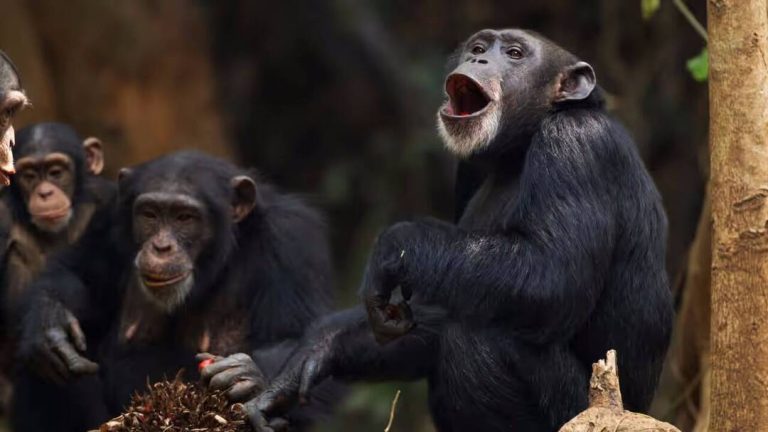
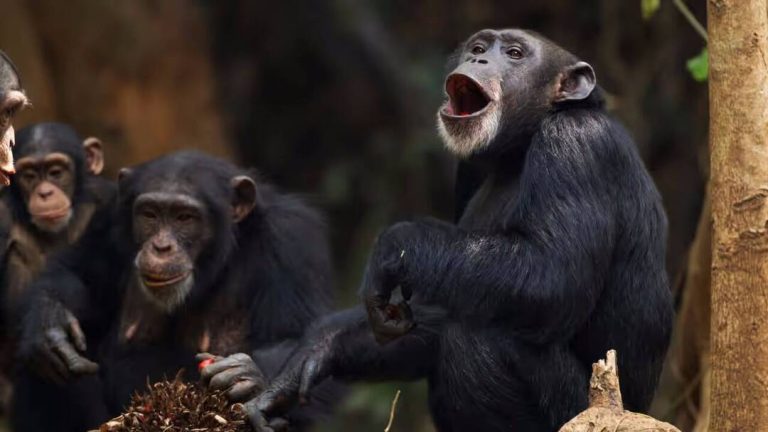
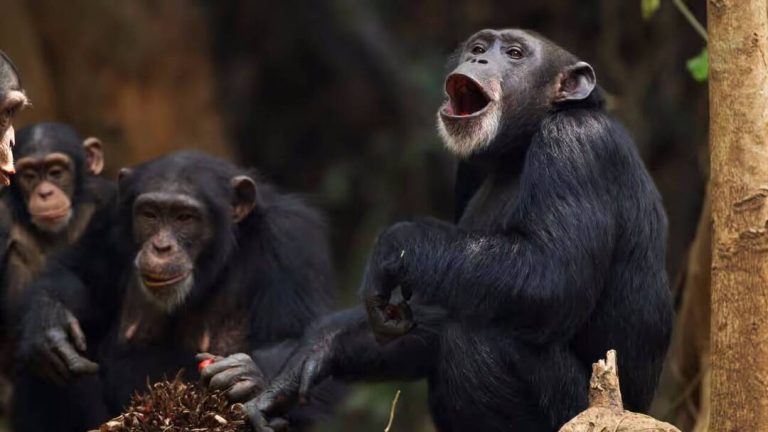
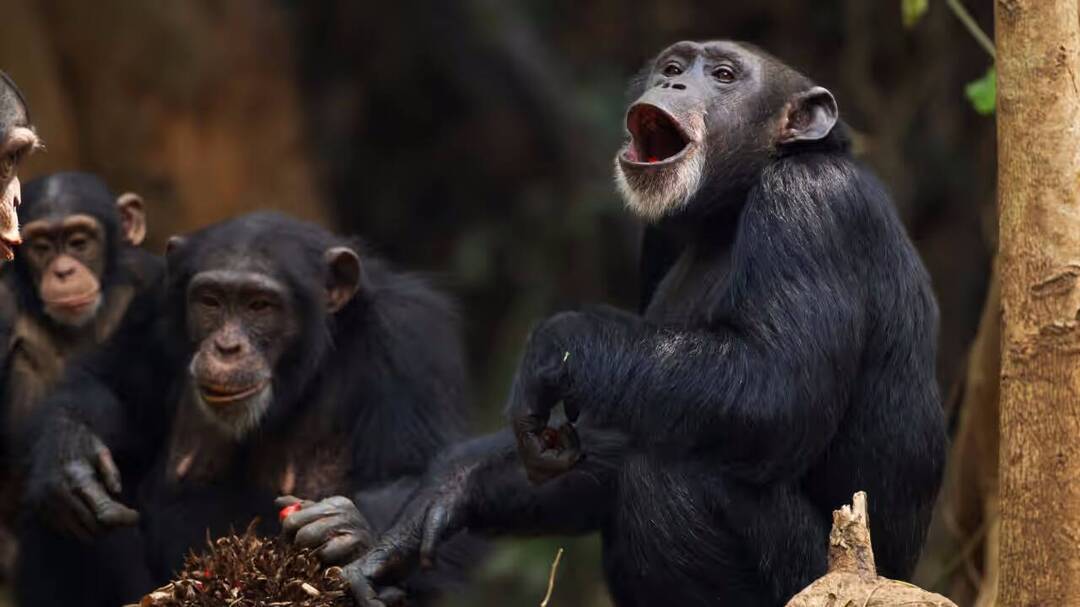
One of the key findings of the study is that same-sex behaviour is more common in species that live in complex societies, such as primates, dolphins, and elephants. In these species, same-sex behaviour is often used to reinforce social bonds, resolve conflicts, and even establish dominance hierarchies. For example, in some species of primates, same-sex behaviour is used to strengthen alliances and improve cooperation, which is essential for survival in their complex social environments.
The study also found that same-sex behaviour is more prevalent in species that live in harsh or unpredictable environments. In these environments, same-sex behaviour can provide a means of stress relief, comfort, and social support, which is essential for survival. For example, in some species of birds, same-sex behaviour is used to reduce stress and anxiety during periods of food scarcity or extreme weather conditions.
Another interesting finding of the study is that same-sex behaviour is not limited to mammals and birds, but is also observed in other animal groups, such as reptiles, amphibians, and fish. This suggests that same-sex behaviour is a widespread phenomenon that has evolved independently in different species, and is not unique to any particular group.
The researchers used a combination of field observations, laboratory experiments, and statistical analysis to study same-sex behaviour in various species. They found that same-sex behaviour is often associated with increased social bonding, cooperation, and even improved cognitive abilities. For example, in some species of primates, individuals that engage in same-sex behaviour have been shown to have improved problem-solving skills and enhanced memory.
The study’s findings have important implications for our understanding of animal behaviour and social evolution. They suggest that same-sex behaviour is not a deviation from the norm, but rather an adaptation that has evolved to improve social bonds and cooperation in various species. This challenges the traditional view that same-sex behaviour is abnormal or unnatural, and instead, highlights its importance in the social and ecological context of various species.
In conclusion, the new study by researchers at Imperial College London provides valuable insights into the reasons behind same-sex behaviour in the animal kingdom. By showing that same-sex behaviour is driven by environmental and social pressures, rather than genetics alone, the study highlights the importance of considering the social and ecological context of various species. The findings of the study have important implications for our understanding of animal behaviour and social evolution, and challenge traditional views of same-sex behaviour as abnormal or unnatural.
About the Author