New research explains same-sex behaviour across animal species
Same-sex behaviour has long been observed in various animal species, often leaving scientists and the general public alike wondering about its purpose and origins. While it has been documented in numerous species, the underlying reasons for this behaviour have remained unclear. However, a recent study conducted by researchers at Imperial College London has shed new light on the subject, providing valuable insights into the role of same-sex behaviour in the animal kingdom.
The study, which covered hundreds of species, suggests that same-sex behaviour is not unique to humans, but rather a common phenomenon that serves an important purpose in strengthening social bonds, particularly in complex or harsh environments. According to the researchers, environmental and social pressures, rather than genetics alone, drive same-sex behaviour across the animal kingdom.
To understand the significance of this discovery, it is essential to delve into the world of animal behaviour and explore the various forms of same-sex interactions that have been observed. From mating and courtship rituals to social bonding and affectionate displays, same-sex behaviour is a widespread phenomenon that has been documented in species as diverse as birds, mammals, reptiles, and insects.
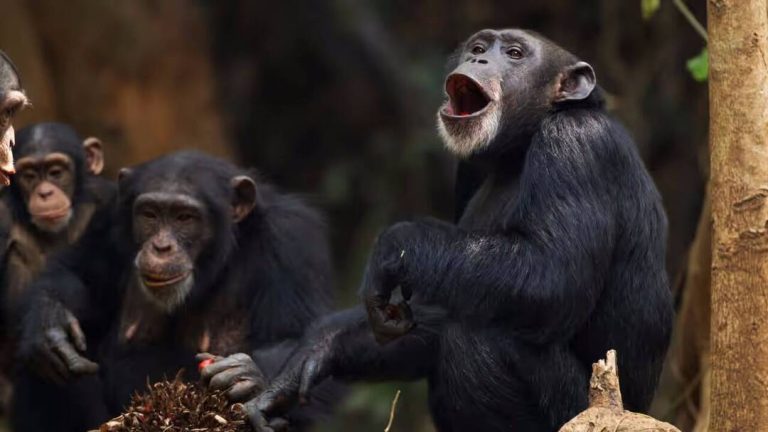
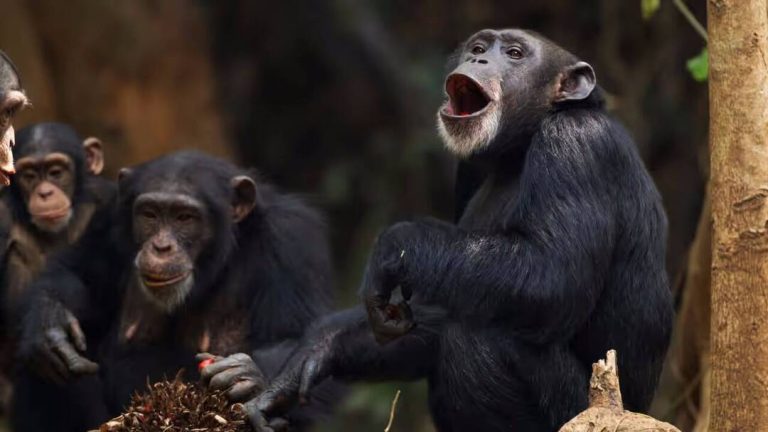
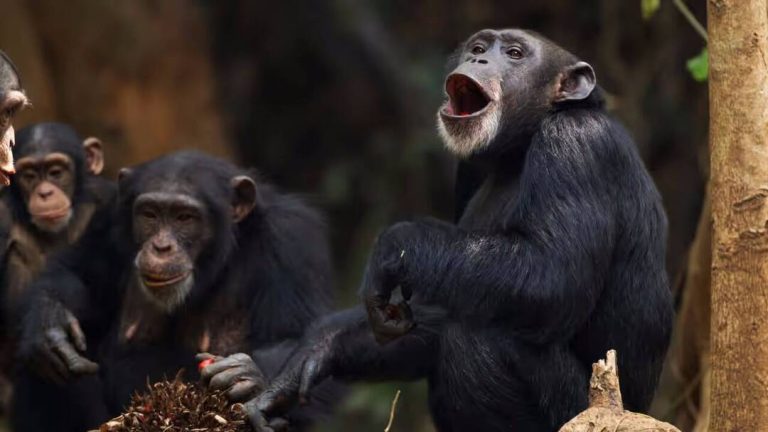
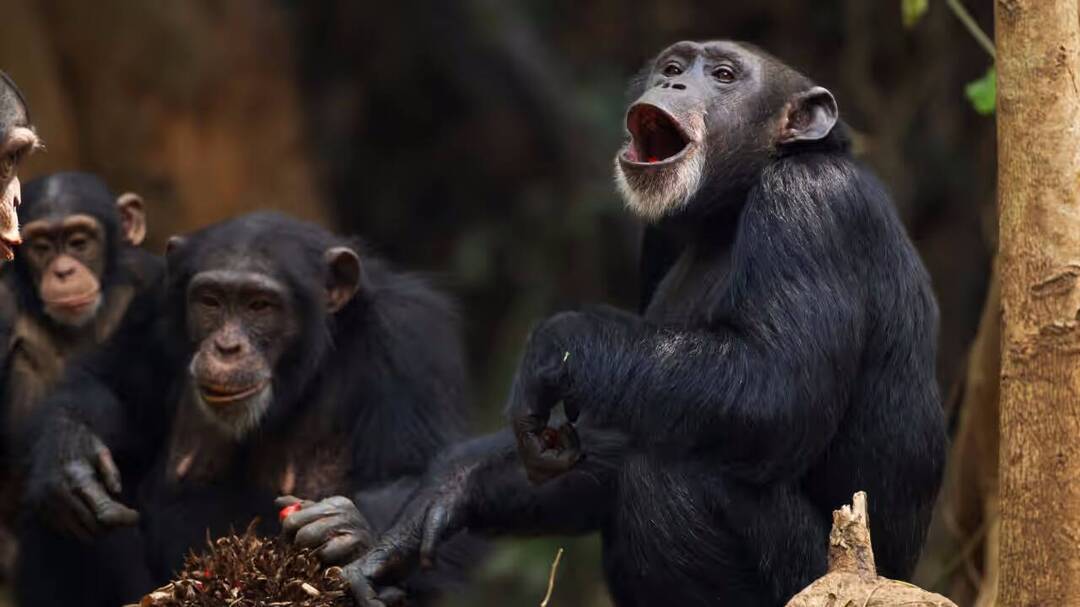
One of the key findings of the study is that same-sex behaviour is more common in species that live in complex social groups or face challenging environmental conditions. For example, some species of birds, such as swans and geese, are known to form long-term same-sex pair bonds, which help to strengthen social bonds and enhance cooperation within the group. Similarly, in some species of primates, such as bonobos and chimpanzees, same-sex behaviour is used as a means of conflict resolution and stress reduction.
The researchers also found that same-sex behaviour is not limited to specific species or taxonomic groups, but is instead a widespread phenomenon that has evolved independently in various lineages. This suggests that same-sex behaviour has been shaped by similar environmental and social pressures across different species, highlighting the importance of considering the ecological and social context in which it occurs.
The study’s findings have significant implications for our understanding of the evolution of same-sex behaviour and its role in the animal kingdom. By demonstrating that same-sex behaviour is not a unique aspect of human biology, but rather a common feature of animal behaviour, the researchers have challenged traditional assumptions about the origins and purpose of same-sex attraction.
Furthermore, the study provides new insights into the importance of social bonding and cooperation in animal societies. By highlighting the role of same-sex behaviour in strengthening social bonds and enhancing cooperation, the researchers have demonstrated that same-sex interactions are not simply a byproduct of genetic or hormonal influences, but rather an adaptive response to environmental and social pressures.
In conclusion, the new research by Imperial College London provides a groundbreaking explanation for same-sex behaviour across animal species. By demonstrating that environmental and social pressures, rather than genetics alone, drive same-sex behaviour, the study has challenged traditional assumptions about the origins and purpose of same-sex attraction. The findings of this study have significant implications for our understanding of animal behaviour, social bonding, and cooperation, and highlight the importance of considering the ecological and social context in which same-sex behaviour occurs.
As we continue to explore the complexities of animal behaviour, it is essential to recognize the importance of same-sex interactions in shaping social bonds and enhancing cooperation. By embracing a more nuanced understanding of same-sex behaviour, we can gain a deeper appreciation for the diversity and complexity of animal societies, and work towards a more inclusive and compassionate understanding of the natural world.
About the Author