NASA’s Perseverance rover completes 1st AI-planned drive on Mars
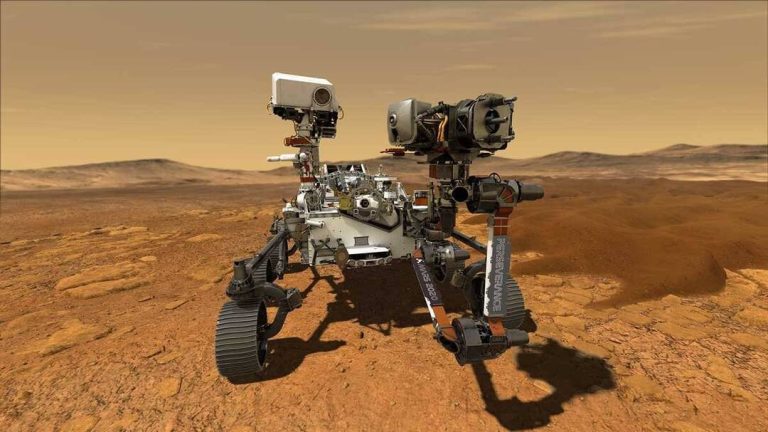
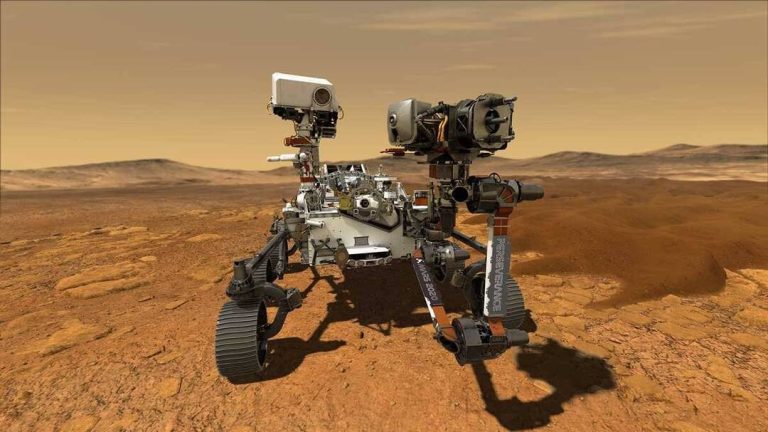
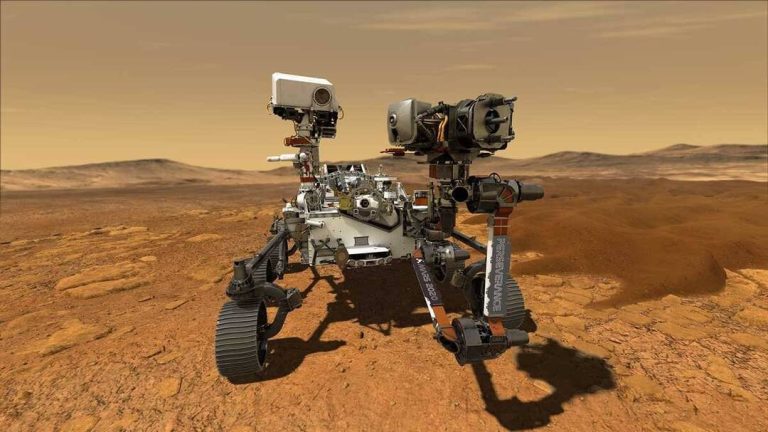
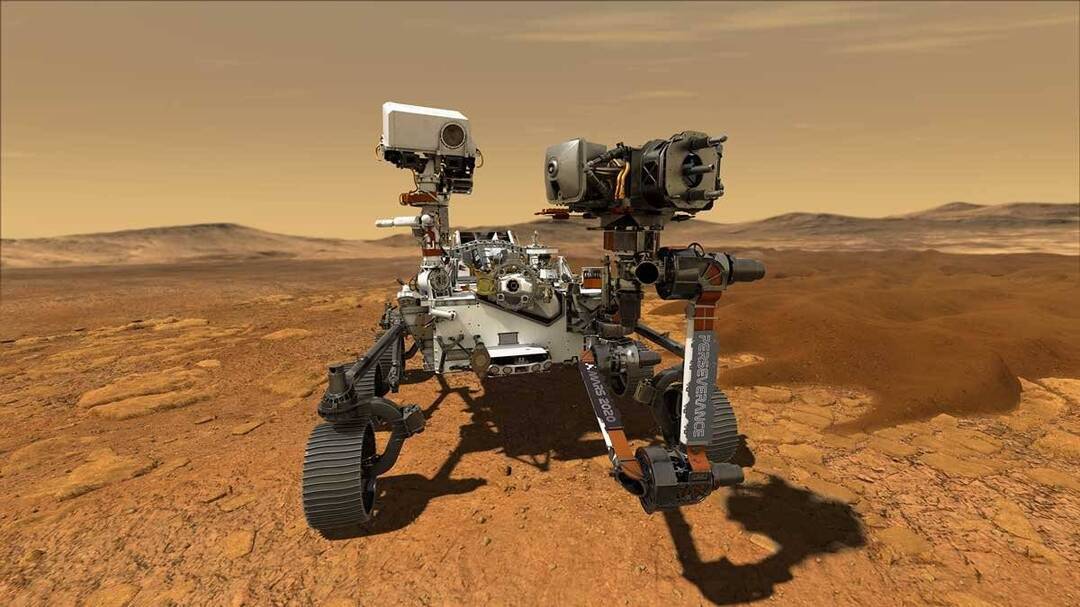
In a groundbreaking achievement, NASA’s Perseverance rover has completed its first drive on Mars that was planned by artificial intelligence. The demonstration, which took place on December 8 and 10, was led by NASA’s Jet Propulsion Laboratory in Southern California. This milestone marks a significant step forward in the use of AI in space exploration, showcasing the potential for autonomous systems to play a key role in future missions.
According to NASA, the AI-planned drive was a complex operation that involved the rover navigating through a challenging terrain, including rocks and sand dunes. The AI system, which was developed by NASA’s Jet Propulsion Laboratory, used a combination of machine learning algorithms and computer vision to analyze the terrain and plan the most efficient route for the rover.
“This demonstration shows how far our capabilities have advanced and broadens how we will explore other worlds,” said NASA Administrator Jared Isaacman. “The use of AI in space exploration has the potential to revolutionize the way we conduct missions, enabling us to explore more efficiently and effectively.”
The Perseverance rover, which landed on Mars in February 2021, is equipped with a range of advanced instruments and technologies, including a rock-corning drill, a radar system, and a suite of cameras. The rover’s primary mission is to search for signs of past or present life on Mars, as well as to study the planet’s geology and climate.
The use of AI in the Perseverance rover’s drive is a significant development, as it enables the rover to operate more autonomously and make decisions in real-time. This is particularly important on Mars, where communication with Earth is delayed due to the distance between the two planets. By using AI to plan and execute drives, the rover can respond quickly to changing conditions on the Martian surface, such as unexpected rock formations or shifts in the weather.
The AI-planned drive was a complex operation that involved several stages. First, the AI system analyzed data from the rover’s cameras and other instruments to create a detailed map of the terrain. The system then used this map to identify potential hazards, such as rocks and sand dunes, and plan a route that avoided these obstacles. Finally, the AI system sent the planned route to the rover, which executed the drive using its onboard navigation system.
The success of the AI-planned drive demonstrates the potential for autonomous systems to play a key role in future Mars missions. By enabling rovers to operate more independently, AI can help to reduce the risk of accidents and improve the overall efficiency of missions. Additionally, the use of AI can help to accelerate the pace of discovery on Mars, enabling scientists to gather more data and conduct more experiments in a shorter amount of time.
The development of AI systems for space exploration is a key area of research for NASA and other space agencies. In recent years, there have been significant advances in the use of machine learning and computer vision for tasks such as image recognition, navigation, and decision-making. These advances have the potential to revolutionize the way we conduct space missions, enabling us to explore more efficiently and effectively.
The Perseverance rover’s AI-planned drive is just one example of the many innovative technologies being developed for Mars exploration. Other examples include the use of autonomous helicopters, such as the Ingenuity helicopter, which has been flying on Mars since April 2021. The Ingenuity helicopter uses a combination of AI and computer vision to navigate and avoid obstacles, and has demonstrated the potential for autonomous aircraft to play a key role in future Mars missions.
In conclusion, the completion of the first AI-planned drive on Mars is a significant achievement for NASA and the Perseverance rover team. The use of AI in space exploration has the potential to revolutionize the way we conduct missions, enabling us to explore more efficiently and effectively. As we look to the future of Mars exploration, it is clear that AI will play an increasingly important role, enabling us to push the boundaries of what is possible and to make new discoveries about the Red Planet.
About the Author