NASA’s Perseverance rover completes 1st AI-planned drive on Mars
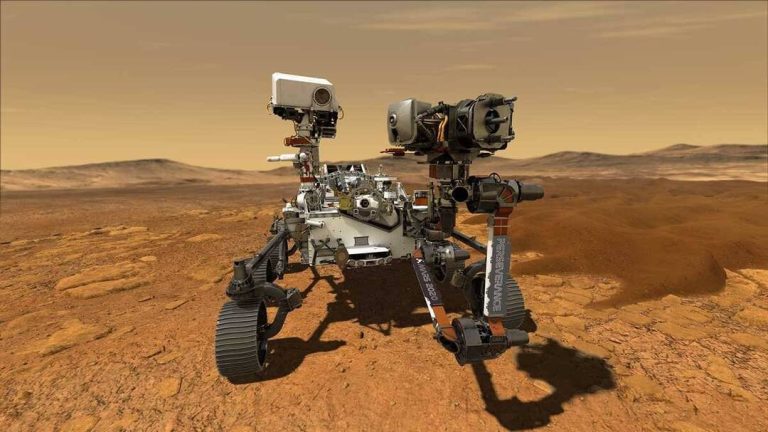
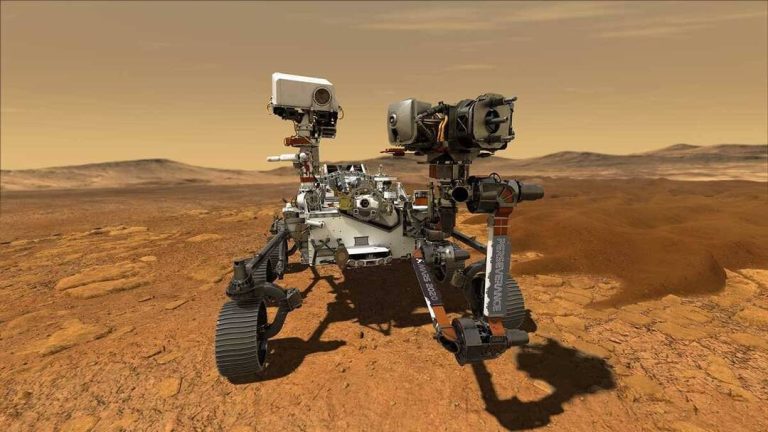
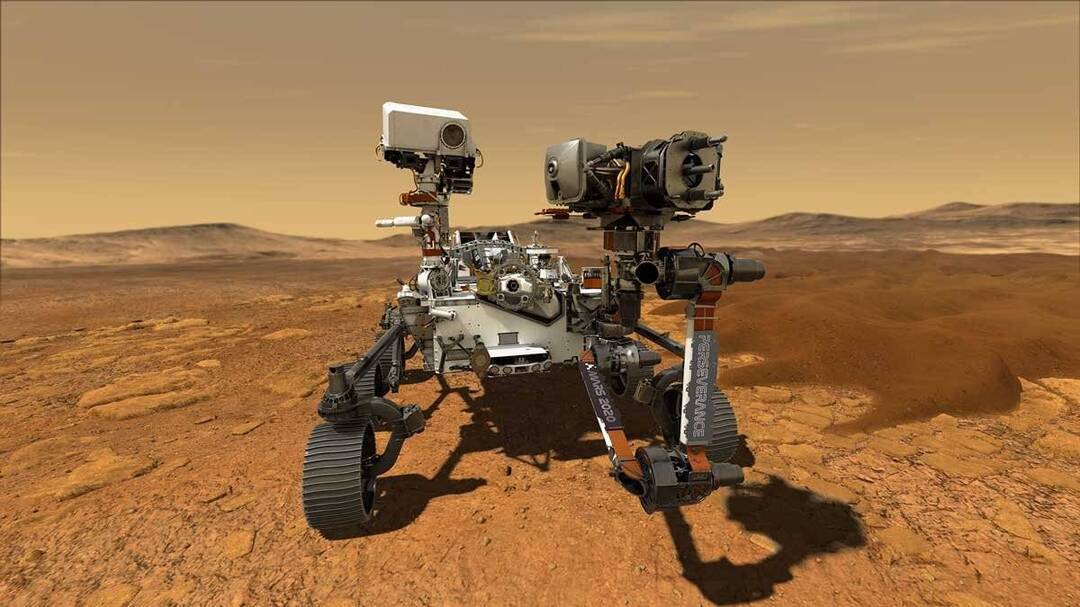
In a groundbreaking achievement, NASA’s Perseverance rover has completed its first drive on Mars that was planned by artificial intelligence. The demonstration, which took place on December 8 and 10, was led by NASA’s Jet Propulsion Laboratory in Southern California. This milestone marks a significant advancement in the use of AI in space exploration and paves the way for more efficient and autonomous exploration of other worlds.
According to NASA, the AI-planned drive was a complex process that involved the use of advanced algorithms and machine learning techniques to navigate the Martian terrain. The rover’s AI system analyzed data from its various sensors and instruments, including cameras, lidar, and radar, to create a detailed map of the surrounding environment. This map was then used to plan a safe and efficient route for the rover to follow.
The demonstration was a major success, with the Perseverance rover completing a 100-meter drive across the Martian surface. The AI-planned route took the rover through a challenging terrain, including rocky outcrops and sandy dunes. The rover’s AI system successfully navigated these obstacles, demonstrating its ability to adapt to changing conditions and make decisions in real-time.
“This demonstration shows how far our capabilities have advanced and broadens how we will explore other worlds,” NASA Administrator Jared Isaacman said. “The use of AI in space exploration has the potential to revolutionize the way we explore the universe, enabling us to cover more ground and make new discoveries at a faster pace.”
The Perseverance rover is equipped with a range of advanced instruments and technologies, including a state-of-the-art AI system. The rover’s AI system is designed to learn and adapt to new situations, enabling it to make decisions and take actions without human intervention. This autonomy is critical for future missions to the Moon, Mars, and beyond, where communication delays and limited bandwidth make real-time human control impossible.
The use of AI in space exploration has been a key area of research and development for NASA in recent years. The agency has been investing heavily in AI and machine learning technologies, with a focus on developing systems that can operate autonomously and make decisions in real-time. The success of the Perseverance rover’s AI-planned drive is a major milestone in this effort, demonstrating the potential of AI to enhance the efficiency and effectiveness of space exploration.
The Perseverance rover is currently exploring Jezero crater, a 45-kilometer-wide impact crater that was once home to a lake. The crater is a prime target for astrobiological research, with scientists hoping to find evidence of past or present life on Mars. The rover’s AI system will play a critical role in this research, enabling the rover to navigate the complex terrain and make targeted measurements of the Martian geology.
The success of the Perseverance rover’s AI-planned drive has significant implications for future missions to Mars and beyond. As NASA looks to return humans to the Moon and establish a sustainable presence on the lunar surface, the use of AI will be critical for enabling autonomous systems and enhancing the efficiency of space exploration. The agency is also planning to send a manned mission to Mars in the 2030s, with the Perseverance rover’s AI system serving as a precursor to the more advanced systems that will be needed for this mission.
In conclusion, the completion of the Perseverance rover’s first AI-planned drive on Mars is a major achievement for NASA and a significant milestone in the use of AI in space exploration. The success of this demonstration paves the way for more efficient and autonomous exploration of other worlds, and has significant implications for future missions to the Moon, Mars, and beyond.
About the Author