$700 bn total imports, $500 bn from US alone?: Tharoor on trade deal
The recent trade deal between India and the United States has sparked a lot of interest and debate among policymakers, economists, and the general public. While announcing the trade deal, US President Donald Trump claimed that Prime Minister Narendra Modi committed to buying “$500 billion worth of US energy, technology, agricultural, coal, and many other products”. This statement has raised eyebrows, with many questioning the feasibility and implications of such a massive commitment.
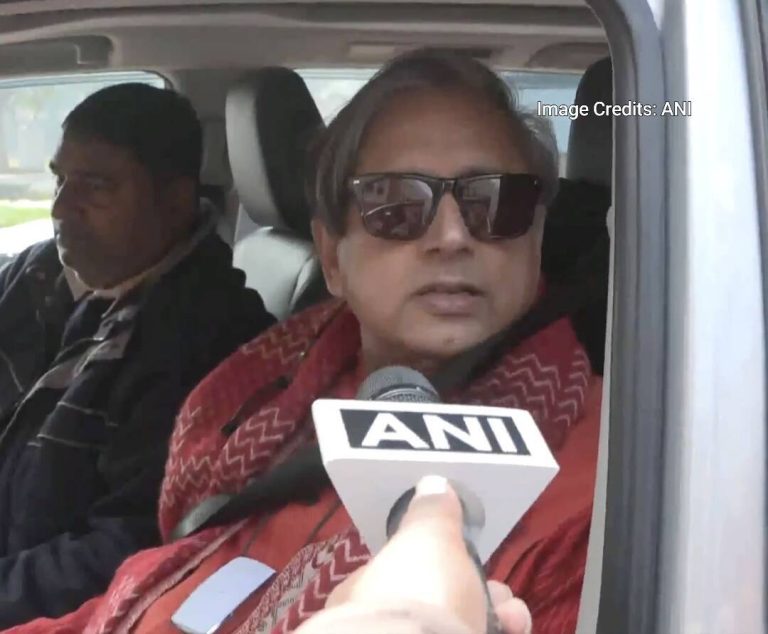
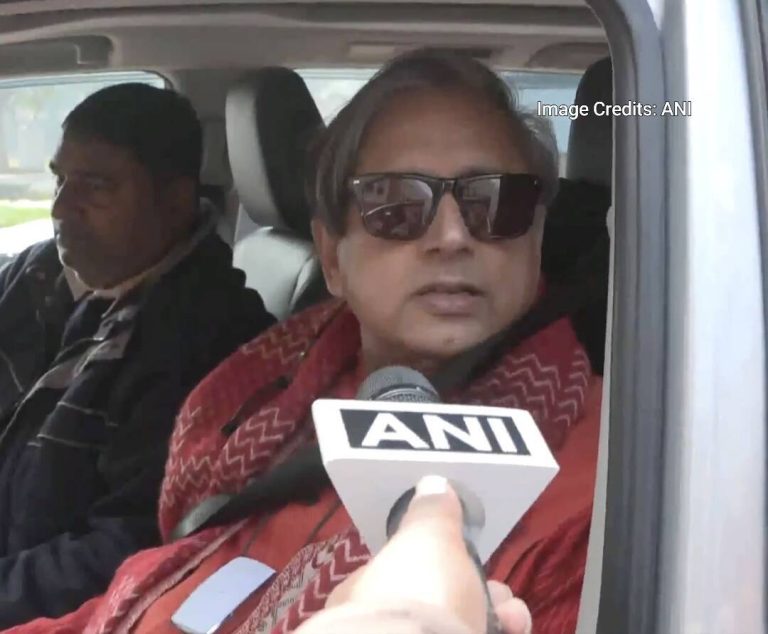
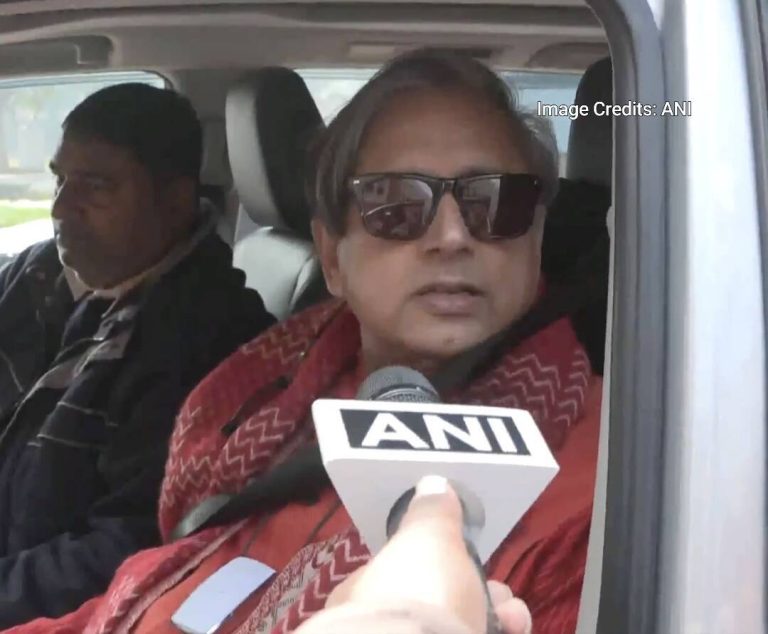
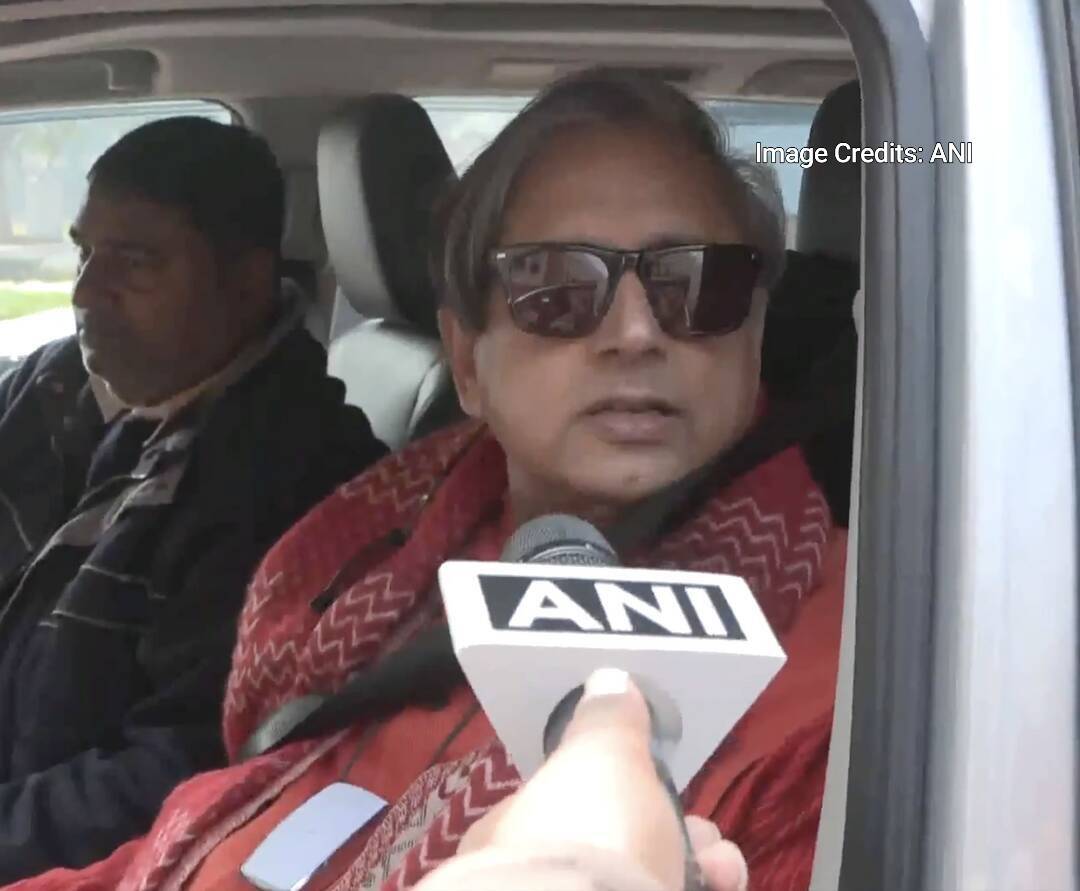
Seeking clarity on this, Congress MP Shashi Tharoor said, “Our entire import bill is $700 billion, so are we going to stop buying from every other country?” This statement highlights the concerns surrounding the trade deal and the potential impact it could have on India’s trade relationships with other countries. In this blog post, we will delve deeper into the trade deal and explore the implications of such a massive commitment to buying US products.
Firstly, it is essential to understand the context of the trade deal and the numbers involved. India’s total imports for the year 2022-2023 were approximately $700 billion. This includes a wide range of products, from crude oil and petroleum products to electronics, machinery, and agricultural products. The idea that India would commit to buying $500 billion worth of US products alone is staggering, and it raises questions about the country’s trade relationships with other nations.
Tharoor’s statement highlights the absurdity of the situation. If India were to commit to buying $500 billion worth of US products, it would mean that the country would have to significantly reduce its imports from other nations. This could have severe implications for India’s trade relationships with countries like China, the European Union, and the Middle East, among others. It could also lead to trade imbalances and potentially harm Indian industries that rely on imports from these countries.
Furthermore, the trade deal raises questions about the impact on Indian industries and the country’s economic growth. If India were to commit to buying such a large amount of US products, it could lead to a surge in imports, which could negatively impact Indian industries that produce similar products. This could lead to job losses and economic instability, particularly in sectors like manufacturing and agriculture.
Another concern surrounding the trade deal is the potential impact on India’s foreign exchange reserves. If India were to commit to buying $500 billion worth of US products, it would require a significant amount of foreign exchange. This could put pressure on India’s foreign exchange reserves, which could have a negative impact on the country’s economy.
In addition to these concerns, there are also questions about the feasibility of the trade deal. The US is already one of India’s largest trading partners, and it is unclear how India would be able to increase its imports from the US by such a significant amount. The US has been seeking greater access to the Indian market, particularly in areas like agriculture and energy, but it is unclear whether India would be willing to provide this access.
In conclusion, the trade deal between India and the US has raised more questions than answers. The commitment to buying $500 billion worth of US products is a staggering one, and it is unclear how India would be able to fulfill this commitment. The implications of such a massive commitment are far-reaching, and it could have significant impacts on India’s trade relationships with other countries, Indian industries, and the country’s economic growth.
As Tharoor said, “Our entire import bill is $700 billion, so are we going to stop buying from every other country?” This statement highlights the absurdity of the situation and the need for greater clarity on the trade deal. It is essential that the government provides more information on the trade deal and its implications, and that policymakers and economists carefully consider the potential consequences of such a massive commitment.
Source: https://x.com/ANI/status/2018584610888937726
About the Author