$700 bn total imports, $500 bn from US alone?: Tharoor on trade deal
The recent trade deal between India and the United States has sparked a lot of interest and debate among policymakers, economists, and politicians. While announcing the deal, US President Donald Trump claimed that Prime Minister Narendra Modi had committed to buying “$500 billion worth of US energy, technology, agricultural, coal, and many other products”. This statement has raised several eyebrows, with many questioning the feasibility and implications of such a massive commitment.
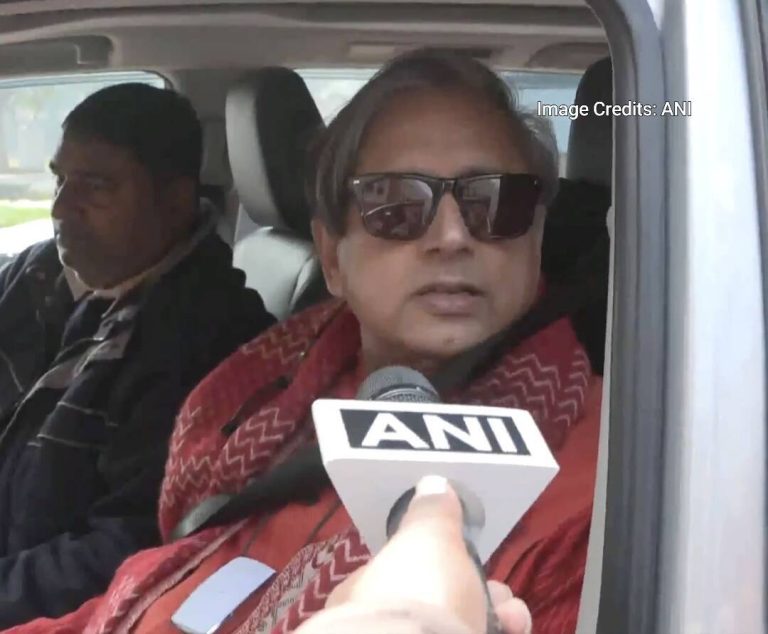
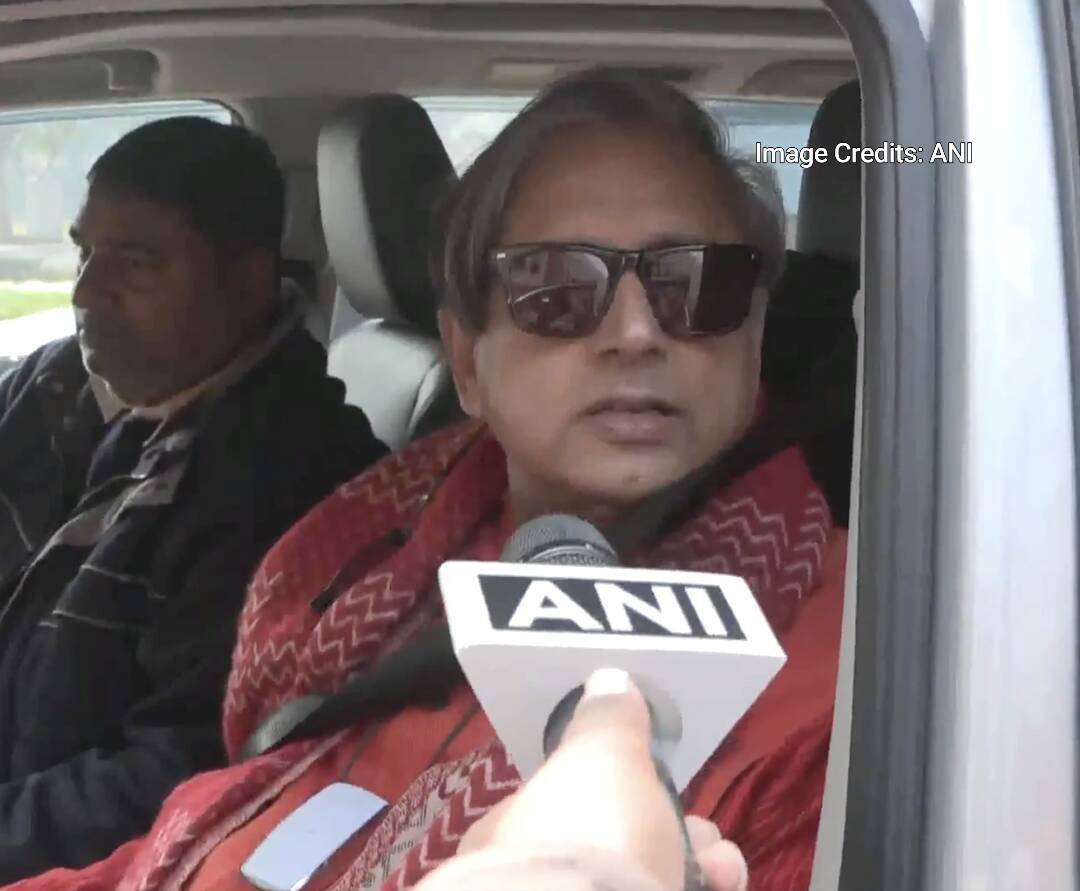
Congress MP Shashi Tharoor was among the first to seek clarity on this issue. In a statement, he expressed his surprise and skepticism about the claim, saying, “Our entire import bill is $700 billion, so are we going to stop buying from every other country?” This is a valid question, as India’s total imports for the year are indeed around $700 billion. If the country is to buy $500 billion worth of products from the US alone, it would mean a significant shift in its trade policies and relationships with other countries.
Tharoor’s comment highlights the complexity of the issue and the need for a more nuanced understanding of the trade deal. On the one hand, increasing trade with the US could be beneficial for India, as it could provide access to new markets, technologies, and investments. On the other hand, it could also lead to a significant dependence on a single country, which could be risky for India’s economic and strategic interests.
The trade deal between India and the US is part of a larger effort to strengthen economic ties between the two countries. The US is one of India’s largest trading partners, and the two countries have been negotiating a comprehensive trade agreement for several years. The deal is expected to cover a wide range of areas, including trade in goods and services, investment, and intellectual property.
However, the claim that India has committed to buying $500 billion worth of US products has raised concerns about the impact on India’s trade relationships with other countries. India has a diverse range of trade relationships, with countries such as China, the European Union, and Japan being among its largest trading partners. If India is to buy $500 billion worth of products from the US, it could mean a significant reduction in imports from these countries, which could have negative consequences for their economies.
Furthermore, the claim has also raised questions about the feasibility of such a massive commitment. India’s total imports for the year are around $700 billion, and it is unlikely that the country could absorb $500 billion worth of US products in a short period. The claim may be an exaggeration or a misrepresentation of the actual commitment made by the Indian government.
In conclusion, the trade deal between India and the US is a significant development, but it requires a more nuanced understanding of the implications and feasibility of the claims made by the US President. Shashi Tharoor’s comment highlights the need for clarity and transparency in trade agreements, and the importance of considering the potential consequences of such agreements on India’s trade relationships with other countries.
As the details of the trade deal become clearer, it is essential to evaluate the implications of the agreement on India’s economy and trade relationships. The Indian government must provide more information about the commitment made to the US and how it plans to implement the agreement. The government must also ensure that the agreement is in the best interests of the Indian economy and does not harm the country’s trade relationships with other countries.
The trade deal between India and the US is a complex issue, and it requires a thorough analysis of the pros and cons. While the deal has the potential to benefit India’s economy, it also poses significant risks and challenges. As the country moves forward with the agreement, it is essential to prioritize transparency, clarity, and caution to ensure that the deal serves the best interests of the Indian economy and people.
Source: https://x.com/ANI/status/2018584610888937726
About the Author