New research explains same-sex behaviour across animal species
Same-sex behaviour is a phenomenon that has been observed in various animal species, ranging from birds and mammals to reptiles and insects. For a long time, scientists have been puzzled by the existence of such behaviour, as it seems to defy the fundamental principles of evolution, which emphasize the importance of reproduction and the passing on of genes to the next generation. However, a new study by researchers at Imperial College London has shed light on the reasons behind same-sex behaviour in animals, suggesting that it plays a crucial role in strengthening social bonds and improving cooperation and survival in complex or harsh environments.
The study, which covered hundreds of species, found that same-sex behaviour is more common in animals that live in complex social groups or in environments that are challenging to survive in. This suggests that same-sex behaviour is not just a byproduct of genetic variation, but rather an adaptive strategy that helps animals to cope with their environment and improve their chances of survival. The researchers analyzed data from over 300 species, including mammals, birds, reptiles, and insects, and found that same-sex behaviour was more prevalent in species that lived in large social groups or in environments with limited resources.
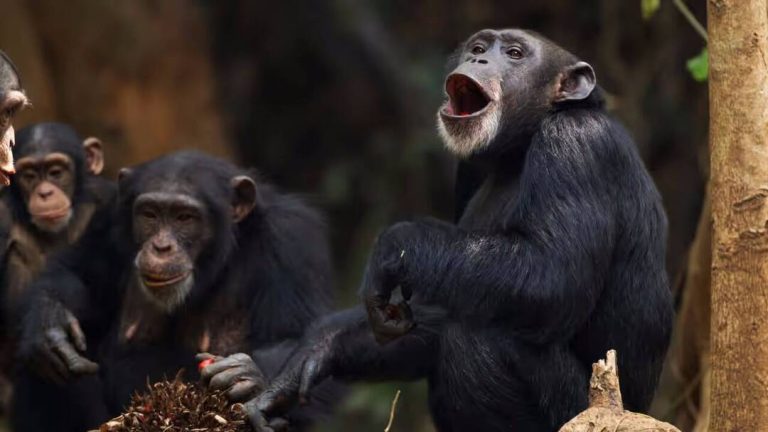
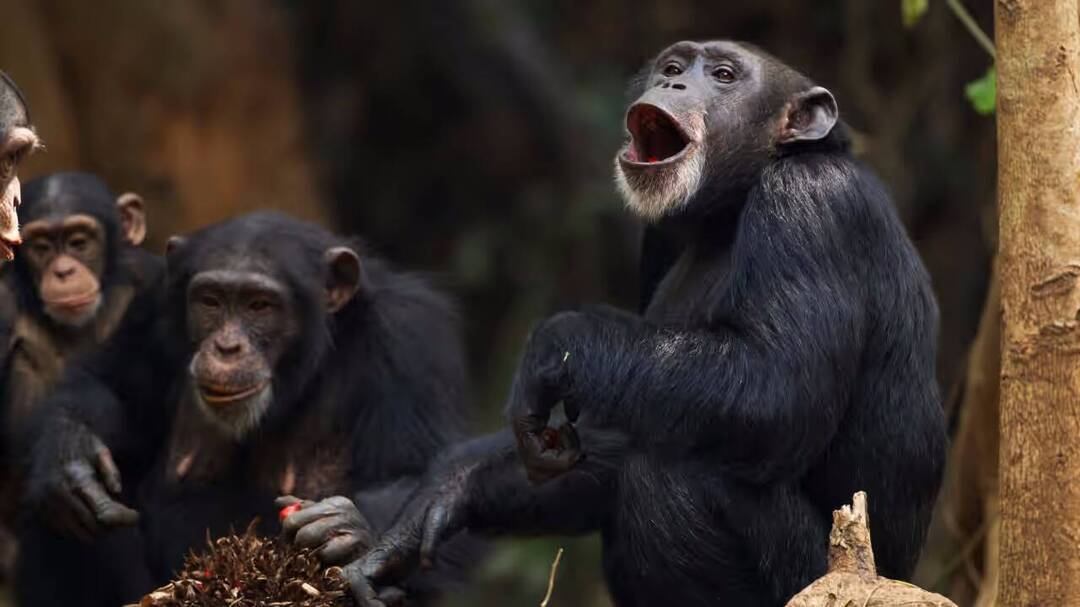
One of the key findings of the study is that same-sex behaviour is often associated with the formation of close bonds between individuals. In many species, same-sex behaviour is used as a way of strengthening social bonds and establishing dominance hierarchies. For example, in some species of birds, males will engage in same-sex behaviour as a way of establishing dominance and strengthening their bonds with other males. Similarly, in some species of primates, females will engage in same-sex behaviour as a way of forming close bonds with other females and improving their social status.
The study also found that same-sex behaviour is often more common in species that live in harsh or unpredictable environments. In these environments, cooperation and mutual support are crucial for survival, and same-sex behaviour may play a key role in facilitating these social interactions. For example, in some species of insects, same-sex behaviour is used as a way of sharing resources and improving cooperation during times of scarcity. Similarly, in some species of mammals, same-sex behaviour is used as a way of providing mutual support and protection during times of stress or danger.
The researchers also found that same-sex behaviour is not just limited to adults, but is also observed in juvenile animals. In some species, same-sex behaviour is used as a way of learning social skills and establishing dominance hierarchies, while in others it is used as a way of forming close bonds with other individuals. The study suggests that same-sex behaviour is an important aspect of animal social behaviour, and that it plays a crucial role in shaping the social structures and interactions of many species.
The findings of the study have important implications for our understanding of animal behaviour and evolution. They suggest that same-sex behaviour is not just a byproduct of genetic variation, but rather an adaptive strategy that has evolved in response to environmental and social pressures. The study also highlights the importance of considering the social and environmental context in which animal behaviour evolves, and the need to move beyond simplistic explanations of animal behaviour based on genetics alone.
In conclusion, the new research by Imperial College London provides a fascinating insight into the reasons behind same-sex behaviour in animals. The study suggests that same-sex behaviour is a common and important aspect of animal social behaviour, and that it plays a crucial role in strengthening social bonds and improving cooperation and survival in complex or harsh environments. The findings of the study have important implications for our understanding of animal behaviour and evolution, and highlight the need to consider the social and environmental context in which animal behaviour evolves.
The study’s findings also have implications for the conservation of animal species. By understanding the importance of same-sex behaviour in animal social behaviour, conservationists can develop more effective strategies for managing and protecting animal populations. For example, conservationists may need to consider the social and environmental context in which animal behaviour evolves, and develop strategies that take into account the importance of same-sex behaviour in shaping animal social structures and interactions.
Overall, the new research by Imperial College London provides a fascinating insight into the complex and diverse world of animal social behaviour. The study’s findings highlight the importance of considering the social and environmental context in which animal behaviour evolves, and the need to move beyond simplistic explanations of animal behaviour based on genetics alone. By understanding the reasons behind same-sex behaviour in animals, we can gain a deeper appreciation for the complexity and diversity of animal social behaviour, and develop more effective strategies for managing and protecting animal populations.
About the Author