$700 bn total imports, $500 bn from US alone?: Tharoor on trade deal
The recent trade deal between India and the United States has sparked a flurry of discussions and debates among politicians, economists, and industry experts. During the announcement of the trade deal, US President Donald Trump claimed that Prime Minister Narendra Modi had committed to buying “$500 billion worth of US energy, technology, agricultural, coal, and many other products”. This statement has raised several eyebrows, with many questioning the feasibility and implications of such a massive commitment.
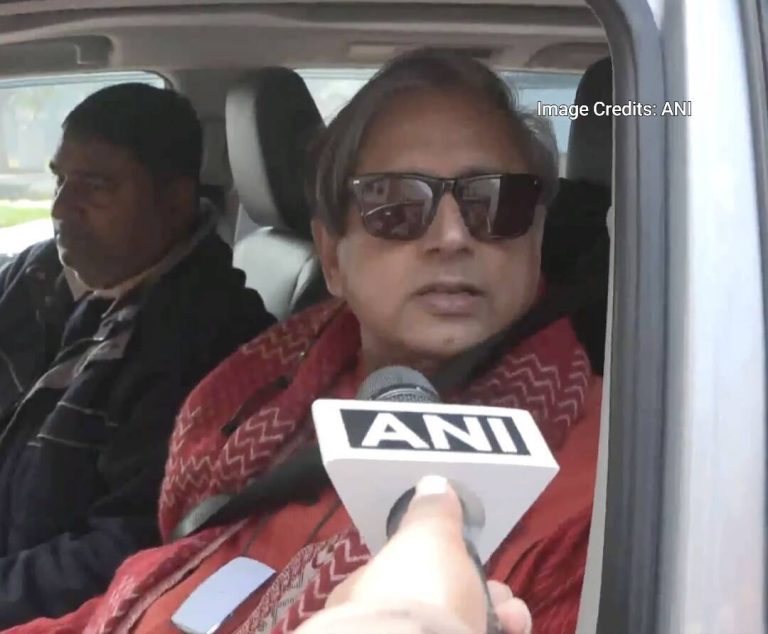
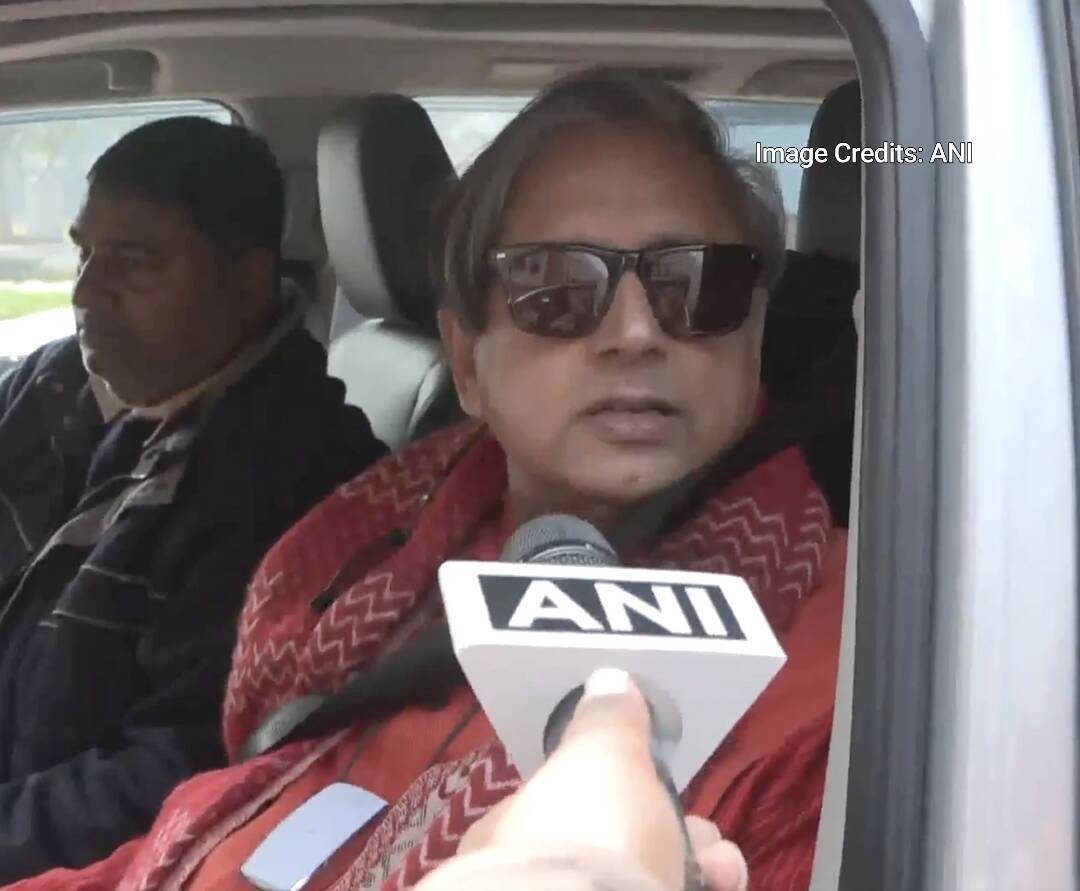
Congress MP Shashi Tharoor was among the first to seek clarity on this issue. In a statement, Tharoor expressed his surprise and skepticism about the claimed commitment. “Our entire import bill is $700 billion, so are we going to stop buying from every other country?” he asked. This question gets to the heart of the matter, highlighting the potential consequences of such a massive trade deal on India’s relationships with other countries and its overall trade policy.
To put things into perspective, India’s total imports for the year 2020-21 stood at approximately $700 billion. This includes imports from all countries, including China, the European Union, and other major trading partners. If India were to commit to buying $500 billion worth of goods from the US alone, it would mean that nearly 70% of its total imports would be sourced from a single country. This would be a significant departure from India’s current trade policy, which emphasizes diversification and promoting trade relationships with multiple countries.
Tharoor’s question also raises concerns about the potential impact on India’s trade relationships with other countries. If India were to suddenly stop buying from other countries and focus solely on the US, it could lead to a significant shift in the global trade landscape. Other countries, including China, the EU, and ASEAN nations, might view this move as a betrayal of India’s commitment to multilateral trade and could retaliate by imposing their own trade restrictions on Indian goods.
Furthermore, committing to buy such a large quantity of goods from the US could also limit India’s ability to negotiate better trade deals with other countries. If India is seen as being too closely tied to the US, other countries might be less willing to offer favorable trade terms, fearing that India would simply opt for the US instead. This could ultimately harm India’s trade interests and limit its ability to negotiate beneficial trade agreements with other countries.
Another concern is the potential impact on India’s domestic industries. If India were to commit to buying $500 billion worth of goods from the US, it could lead to a surge in imports, which could harm domestic industries that are struggling to compete with cheaper foreign goods. This could lead to job losses and economic instability, particularly in sectors such as manufacturing and agriculture.
It is also worth noting that the US has been pushing for greater market access for its goods and services in India, particularly in areas such as agriculture, pharmaceuticals, and energy. While India has been resistant to these demands, the recent trade deal suggests that the US may have made significant gains in these areas. However, the details of the deal are still unclear, and it remains to be seen how India will balance its commitment to the US with its own domestic interests.
In conclusion, the claimed commitment to buy $500 billion worth of US goods has raised more questions than answers. While the trade deal between India and the US is a significant development, it is essential to consider the potential implications of such a massive commitment on India’s trade relationships with other countries and its domestic industries. As Tharoor pointed out, India’s entire import bill is $700 billion, and committing to buy $500 billion worth of goods from a single country is a significant departure from its current trade policy. It is essential to seek clarity on this issue and to ensure that any trade deal serves the best interests of India and its people.
Source: https://x.com/ANI/status/2018584610888937726
About the Author