New research explains same-sex behaviour across animal species
Same-sex behaviour has long been observed in the animal kingdom, with numerous species exhibiting homosexual behaviour. However, the reasons behind this behaviour have been poorly understood, with many assuming it was an anomaly or a result of genetic mutations. A new study by researchers at Imperial College London has shed light on this phenomenon, suggesting that same-sex behaviour is not just a quirk, but rather an adaptive strategy that helps strengthen social bonds and improve survival in complex or harsh environments.
The research, which covered hundreds of species, found that environmental and social pressures, rather than genetics alone, drive same-sex behaviour across the animal kingdom. This groundbreaking study provides new insights into the evolution of same-sex behaviour and challenges the long-held assumption that homosexuality is a result of genetic defects or anomalies.
The study, which analyzed data from over 300 species, found that same-sex behaviour is more common in species that live in complex or harsh environments. For example, species that live in large groups, such as primates and dolphins, are more likely to exhibit same-sex behaviour than those that live in smaller groups or are solitary. Similarly, species that live in environments with limited resources or high predation pressure, such as penguins and wolves, are also more likely to exhibit same-sex behaviour.
So, why does same-sex behaviour evolve in these species? The researchers suggest that same-sex behaviour helps to strengthen social bonds and improve cooperation within groups. In complex or harsh environments, individuals that are able to form close bonds with each other are more likely to survive and thrive. Same-sex behaviour, in this context, serves as a way to reinforce these bonds and promote cooperation.
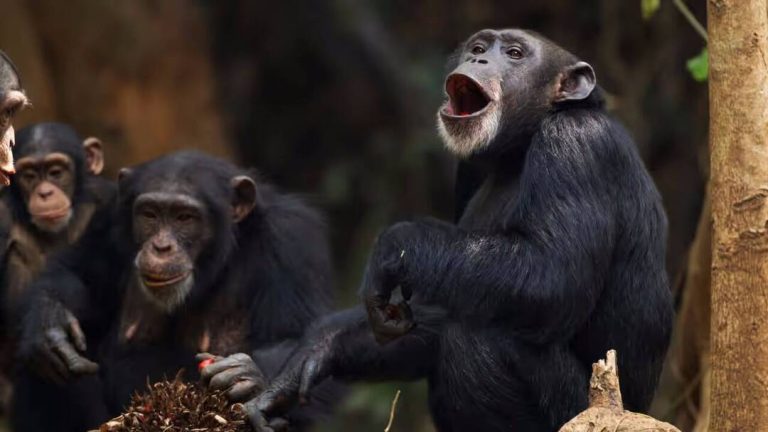
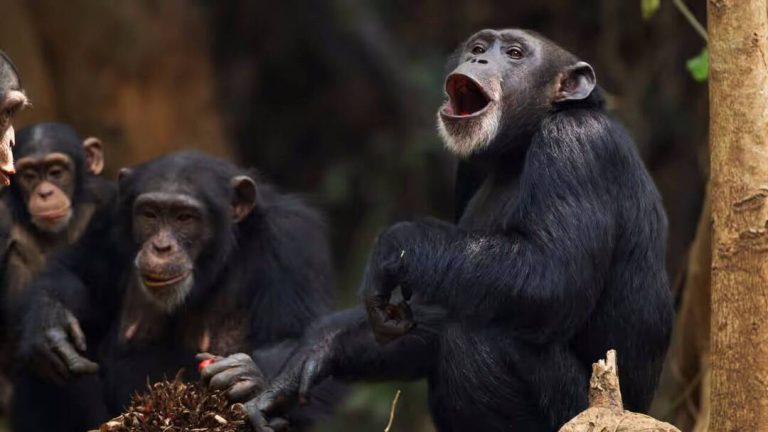
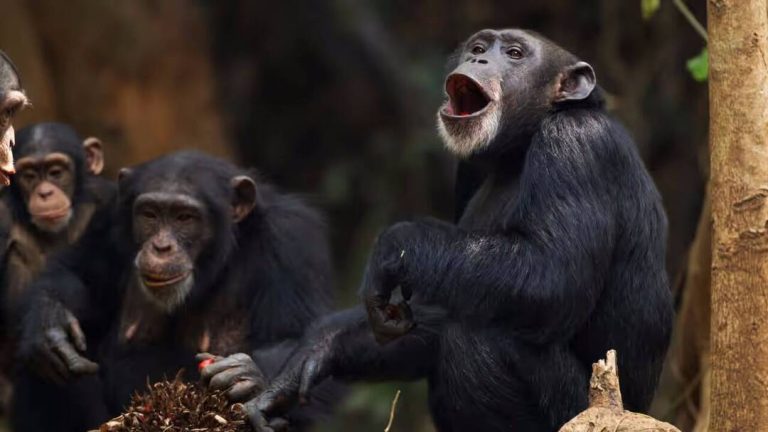
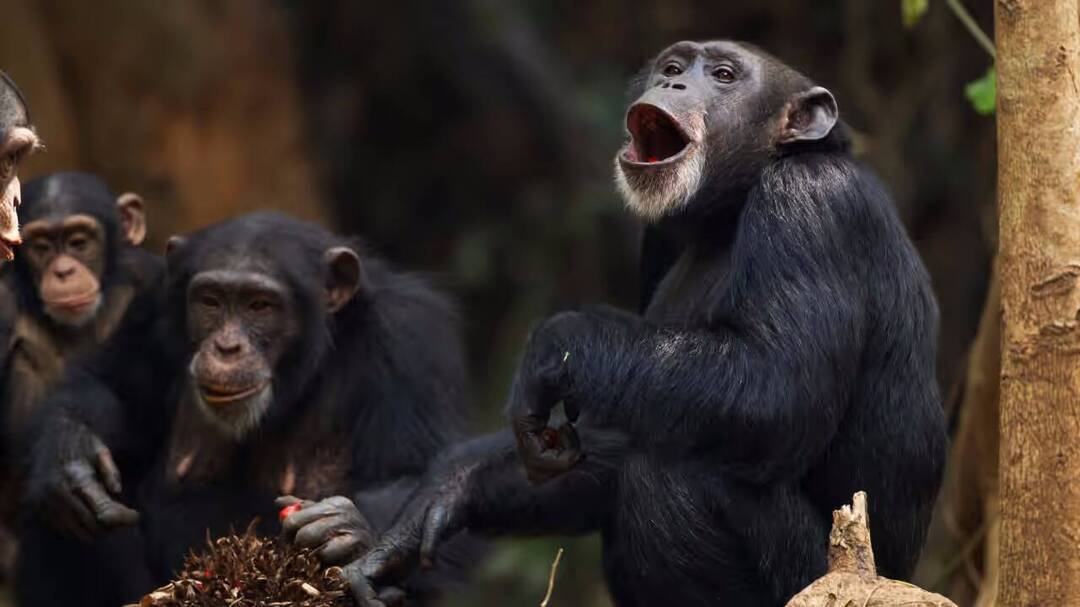
For example, in some species of primates, same-sex behaviour is used as a way to resolve conflicts and strengthen social bonds. In these species, individuals that engage in same-sex behaviour are more likely to form close bonds with each other and are less likely to engage in aggressive behaviour. Similarly, in some species of birds, same-sex behaviour is used as a way to strengthen pair bonds and improve cooperation between mates.
The study also found that same-sex behaviour is not limited to mammals and birds, but is also found in reptiles, amphibians, and fish. This suggests that same-sex behaviour is a widespread phenomenon in the animal kingdom, and is not unique to any particular group of species.
The researchers also found that same-sex behaviour is not just a result of environmental pressures, but is also influenced by social factors. For example, in some species, same-sex behaviour is more common in individuals that are high-ranking or dominant within their social group. This suggests that same-sex behaviour may be used as a way to reinforce social status or power within groups.
The implications of this study are significant, and challenge our understanding of the evolution of same-sex behaviour. The study suggests that same-sex behaviour is not just a result of genetic defects or anomalies, but rather an adaptive strategy that has evolved in response to environmental and social pressures. This challenges the long-held assumption that homosexuality is a result of genetic mutations or anomalies, and instead suggests that it is a natural and normal part of the animal kingdom.
The study also has implications for our understanding of human sexuality and behaviour. The researchers suggest that the evolution of same-sex behaviour in animals may provide insights into the evolution of human sexuality, and may challenge our assumptions about the origins of homosexuality in humans.
In conclusion, the new study by researchers at Imperial College London provides new insights into the evolution of same-sex behaviour in animals. The study suggests that same-sex behaviour is not just a quirk, but rather an adaptive strategy that helps strengthen social bonds and improve survival in complex or harsh environments. The study challenges our understanding of the evolution of same-sex behaviour, and suggests that it is a natural and normal part of the animal kingdom.
For more information on this study, please visit: https://newsable.asianetnews.com/international/science/scientists-discover-why-same-sex-behaviour-evolves-in-animal-species-articleshow-zd8b90h
About the Author