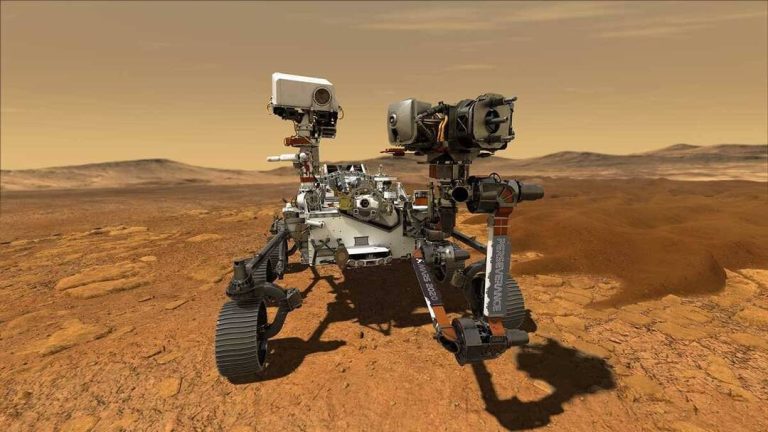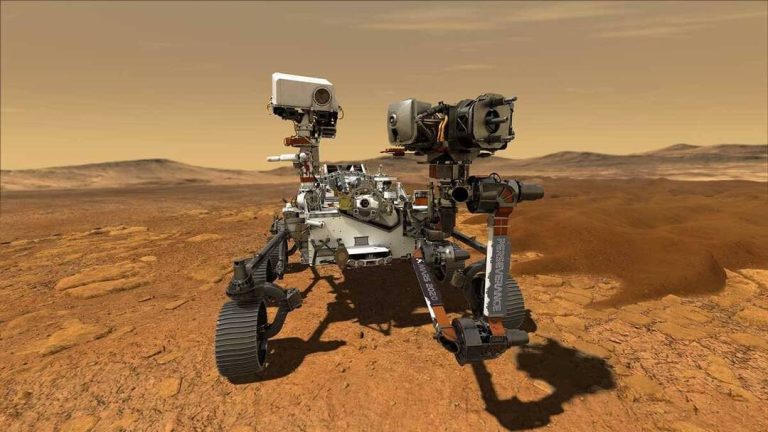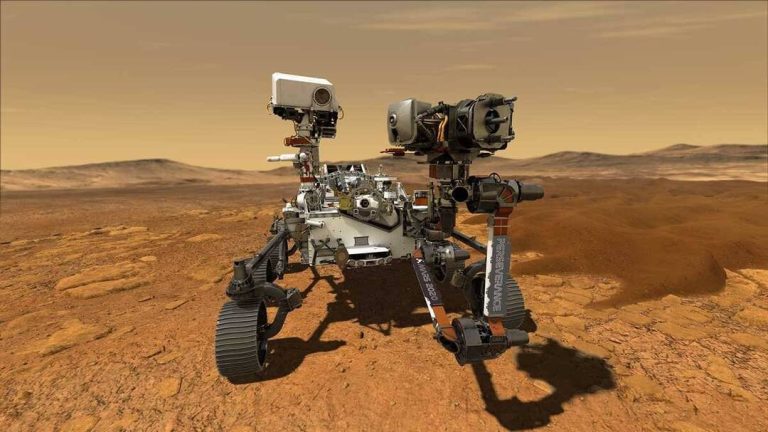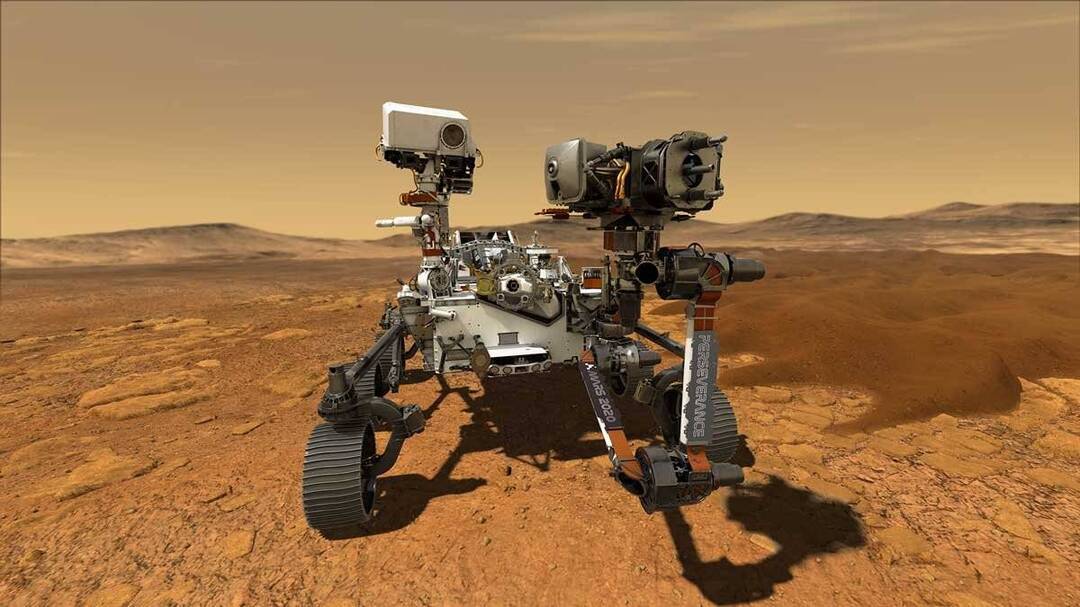
NASA’s Perseverance rover completes 1st AI-planned drive on Mars
In a groundbreaking achievement, NASA’s Perseverance rover has successfully completed its first drive on Mars that was planned by artificial intelligence. This historic demonstration took place on December 8 and 10, 2022, and was led by NASA’s Jet Propulsion Laboratory in Southern California. The successful completion of this AI-planned drive marks a significant milestone in the development of autonomous exploration capabilities, paving the way for more efficient and effective exploration of the Red Planet and beyond.
According to NASA, the demonstration was designed to test the rover’s ability to navigate through complex terrain using AI-generated plans. The Perseverance rover, which landed on Mars in February 2021, is equipped with a range of advanced instruments and technologies, including a sophisticated navigation system that enables it to traverse the Martian surface with precision and accuracy. By leveraging AI algorithms, the rover can analyze data from its sensors and cameras to identify the best route to take, avoiding obstacles and hazards along the way.
“This demonstration shows how far our capabilities have advanced and broadens how we will explore other worlds,” NASA Administrator Jared Isaacman said. “The use of AI in space exploration is a key area of focus for NASA, and this achievement demonstrates the significant progress we are making in this area.”
The AI-planned drive was the result of a collaboration between NASA’s Jet Propulsion Laboratory and the European Space Agency (ESA). The team used a combination of machine learning algorithms and computer vision techniques to analyze data from the rover’s cameras and sensors, generating a detailed map of the Martian terrain. This map was then used to plan the most efficient and safe route for the rover to take, taking into account factors such as terrain roughness, slope, and obstacles.
The demonstration consisted of two separate drives, each lasting several hours. During the first drive, the rover traversed a distance of approximately 100 meters, navigating through a complex terrain of rocks and sand. The second drive covered a distance of around 150 meters, during which the rover encountered a number of obstacles, including large rocks and steep slopes. In both cases, the AI-planned route proved to be successful, with the rover navigating through the terrain with ease and precision.
The success of this demonstration has significant implications for future Mars exploration missions. By leveraging AI and machine learning algorithms, NASA can develop more autonomous and efficient exploration systems, capable of navigating complex terrain and making decisions in real-time. This could enable the agency to conduct more extensive and detailed exploration of the Martian surface, including areas that are currently inaccessible due to terrain difficulties.
Furthermore, the use of AI in space exploration has the potential to reduce the risk of human error, which is a major concern in space missions. By automating certain aspects of the exploration process, NASA can minimize the risk of accidents and ensure that its missions are conducted safely and efficiently.
In addition to the Perseverance rover, NASA is also developing other AI-powered systems for space exploration. For example, the agency is currently working on an AI-powered lunar rover, designed to explore the surface of the Moon and search for signs of water and other resources. The rover will be equipped with advanced sensors and cameras, and will use machine learning algorithms to navigate the lunar terrain and identify areas of interest.
The development of AI-powered space exploration systems is a key area of focus for NASA, and the agency is investing significant resources in the development of these technologies. With the success of the Perseverance rover’s AI-planned drive, NASA has taken a major step forward in the development of autonomous exploration capabilities, paving the way for more efficient and effective exploration of the Red Planet and beyond.
In conclusion, the completion of the Perseverance rover’s first AI-planned drive on Mars marks a significant milestone in the development of autonomous exploration capabilities. The success of this demonstration has significant implications for future Mars exploration missions, and highlights the potential of AI and machine learning algorithms to enhance the efficiency and effectiveness of space exploration. As NASA continues to push the boundaries of space exploration, the use of AI and machine learning algorithms will play an increasingly important role in enabling the agency to conduct more extensive and detailed exploration of the Martian surface and beyond.
About the Author