New research explains same-sex behaviour across animal species
Same-sex behaviour in animals has long been a topic of fascination and debate among scientists and the general public alike. While it is commonly observed in various species, the reasons behind this behaviour have been poorly understood. A new study by researchers at Imperial College London has shed light on this phenomenon, providing insights into why same-sex behaviour is common in animals. The research suggests that such behaviour helps strengthen social bonds in complex or harsh environments, improving cooperation and survival.
The study, which covered hundreds of species, found that environmental and social pressures, rather than genetics alone, drive same-sex behaviour across the animal kingdom. This groundbreaking research has significant implications for our understanding of animal behaviour and social evolution. In this blog post, we will delve into the details of the study and explore the significance of its findings.
The prevalence of same-sex behaviour in animals
Same-sex behaviour is not unique to humans; it is observed in many animal species, including mammals, birds, reptiles, and insects. In fact, studies have shown that same-sex behaviour is common in over 1,500 species, including dolphins, elephants, and penguins. This behaviour can take many forms, including mating, courtship, and social bonding.
Despite its prevalence, same-sex behaviour in animals has been poorly understood. Many scientists have assumed that it is an anomaly or a byproduct of other evolutionary processes. However, the new study by Imperial College London researchers suggests that same-sex behaviour plays a crucial role in the social evolution of many species.
The study’s findings
The researchers analyzed data from hundreds of species, including mammals, birds, and reptiles. They found that same-sex behaviour was more common in species that lived in complex or harsh environments. For example, species that lived in large groups or had to cooperate to survive were more likely to exhibit same-sex behaviour.
The study also found that same-sex behaviour was not driven by genetics alone. While genetic factors may play a role in some species, environmental and social pressures were found to be more significant drivers of same-sex behaviour. This suggests that same-sex behaviour is an adaptive response to specific environmental and social conditions.
The role of social bonding
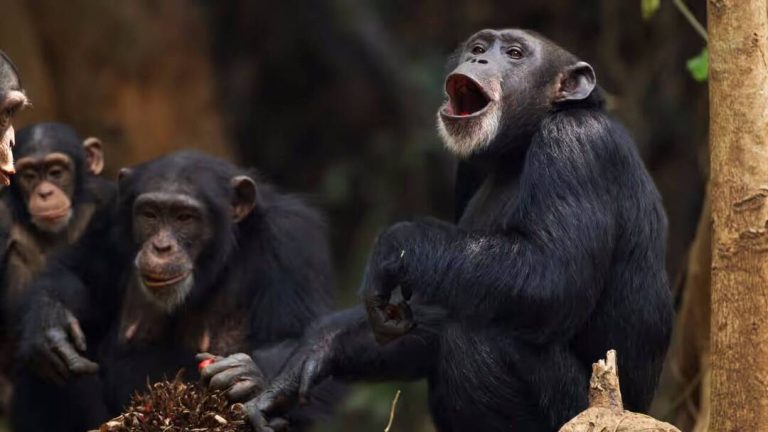
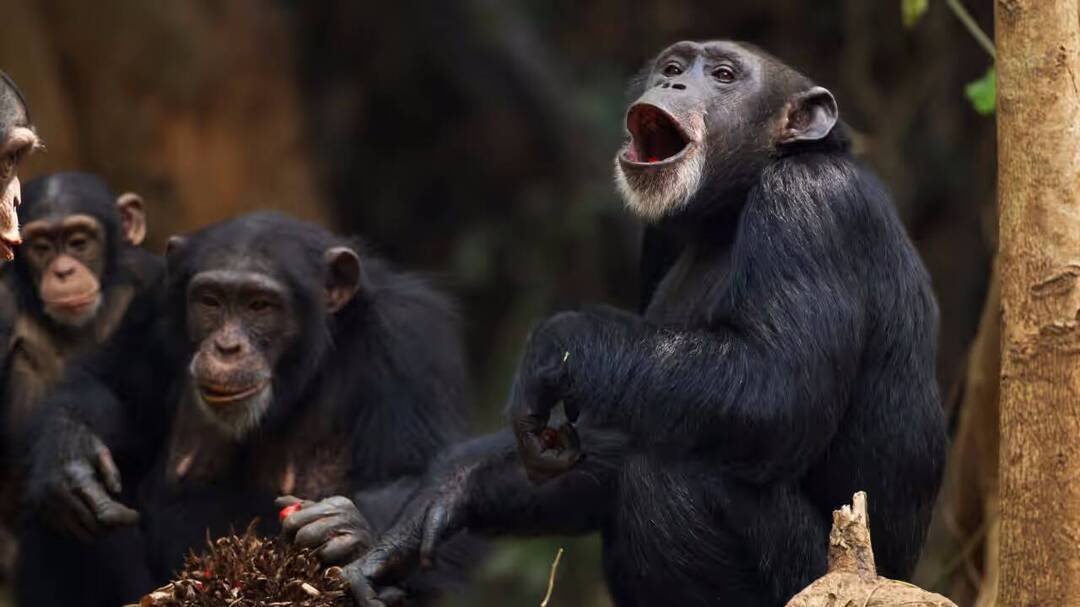
One of the key findings of the study is that same-sex behaviour helps strengthen social bonds in many species. In complex or harsh environments, social bonding is crucial for survival. By forming close bonds with other members of their species, animals can cooperate, share resources, and protect each other from predators.
Same-sex behaviour, in this context, serves as a mechanism for strengthening social bonds. By engaging in same-sex behaviour, animals can signal their commitment to their social group and reinforce their bonds with other members. This, in turn, can improve cooperation and survival rates within the group.
Implications of the study
The study’s findings have significant implications for our understanding of animal behaviour and social evolution. They suggest that same-sex behaviour is not an anomaly or a byproduct of other evolutionary processes, but rather an adaptive response to specific environmental and social conditions.
The study also highlights the importance of considering the social and environmental context in which animal behaviour evolves. By focusing on the role of social bonding and cooperation, the researchers have provided a new perspective on the evolution of same-sex behaviour in animals.
Conclusion
The new study by Imperial College London researchers provides a groundbreaking insight into the evolution of same-sex behaviour in animals. By analyzing data from hundreds of species, the researchers have shown that same-sex behaviour is driven by environmental and social pressures, rather than genetics alone. The study’s findings highlight the importance of social bonding and cooperation in the evolution of same-sex behaviour and provide a new perspective on the evolution of animal behaviour.
In conclusion, the study’s findings are a significant contribution to our understanding of animal behaviour and social evolution. They suggest that same-sex behaviour is an adaptive response to specific environmental and social conditions, rather than an anomaly or a byproduct of other evolutionary processes. As we continue to explore the complexities of animal behaviour, this study provides a valuable insight into the evolution of same-sex behaviour and its significance in the animal kingdom.
About the Author